

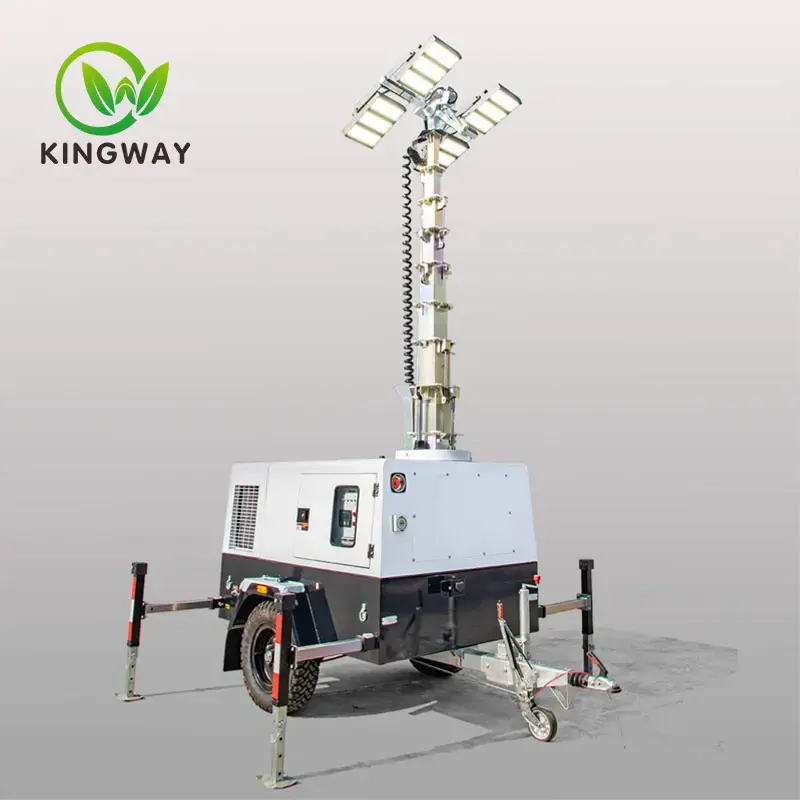
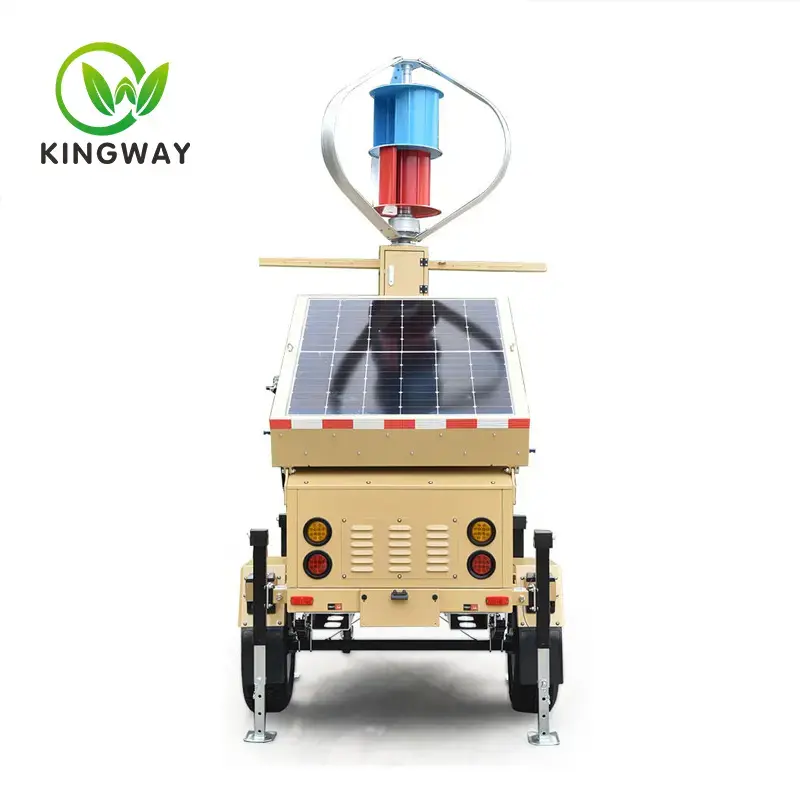
Mobile Lighting Trailer Supplier
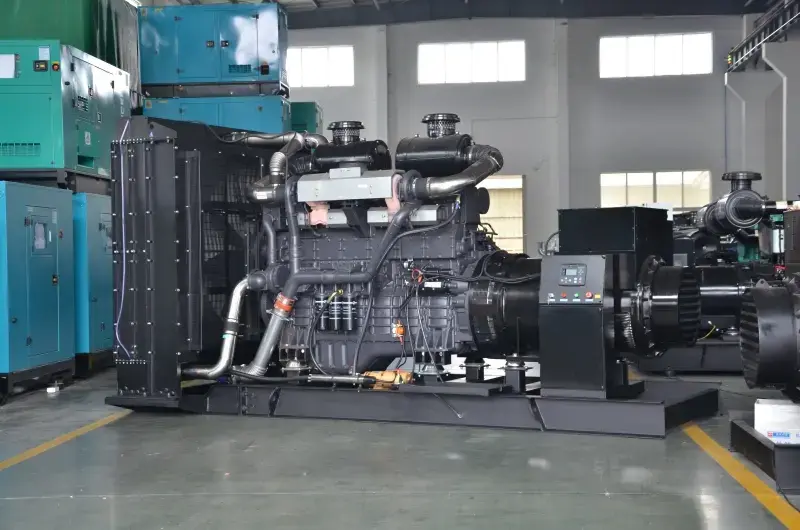
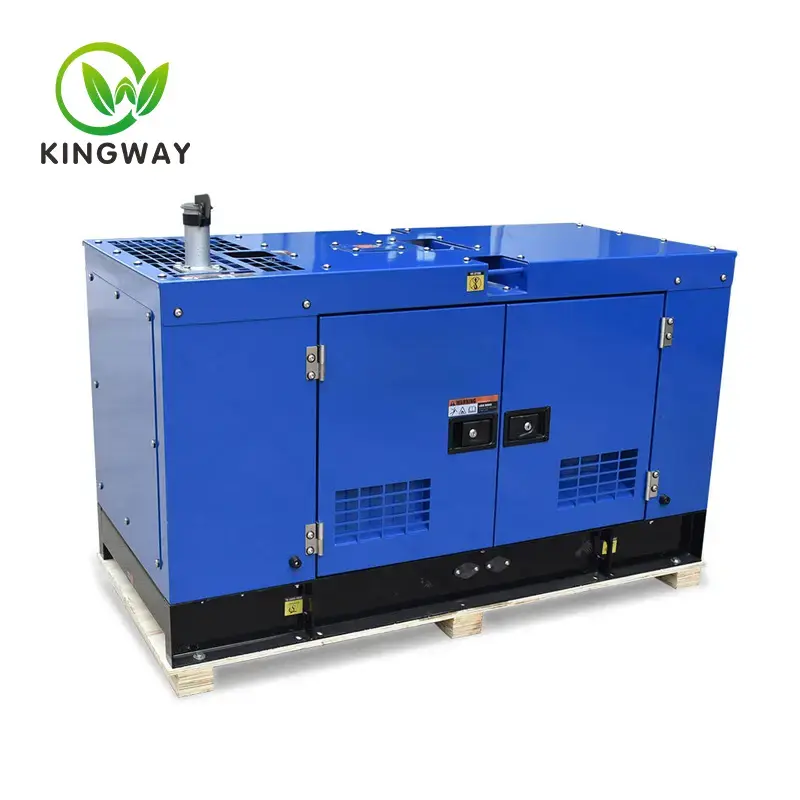
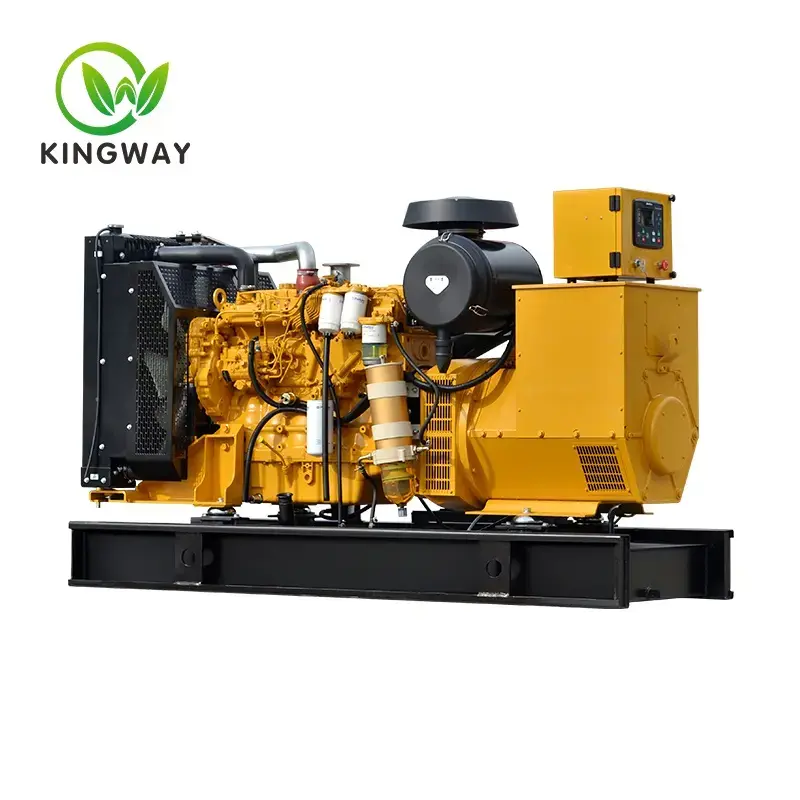
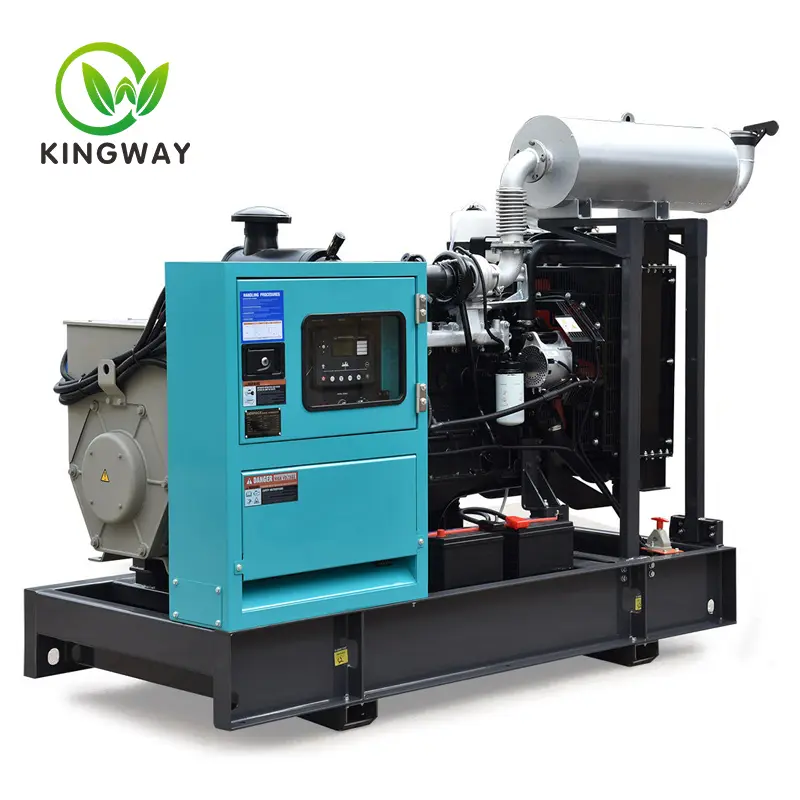
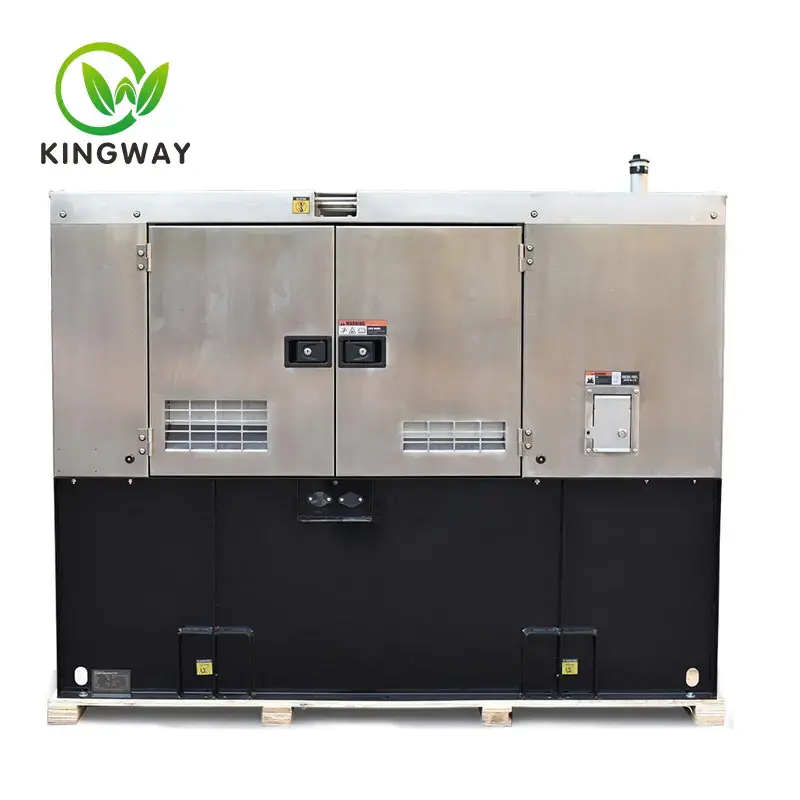
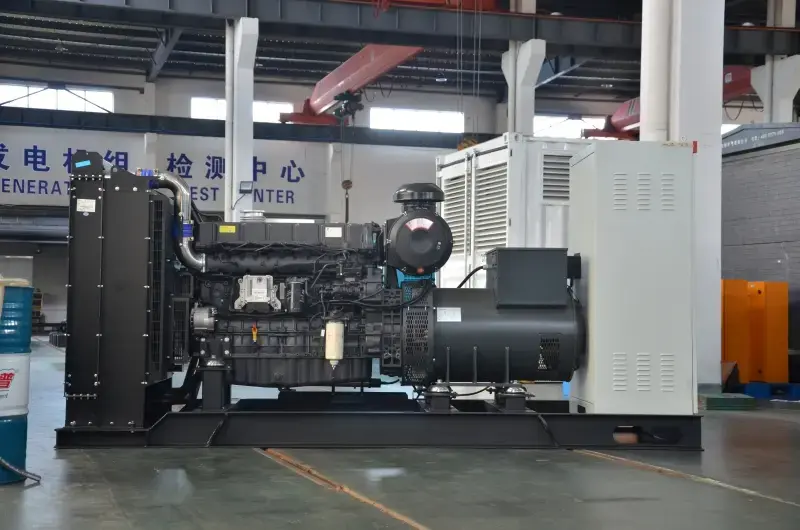
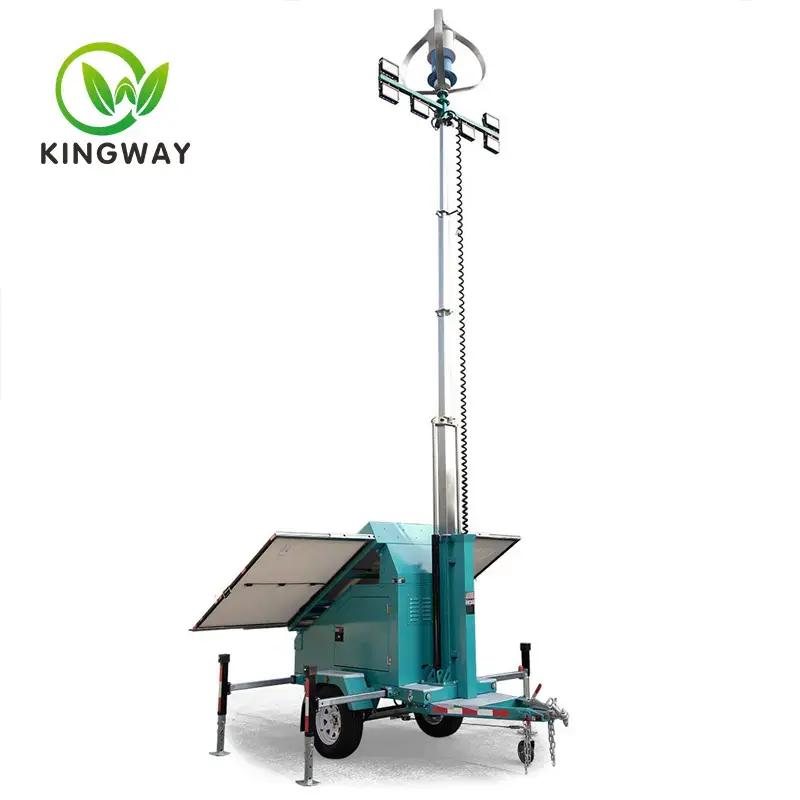
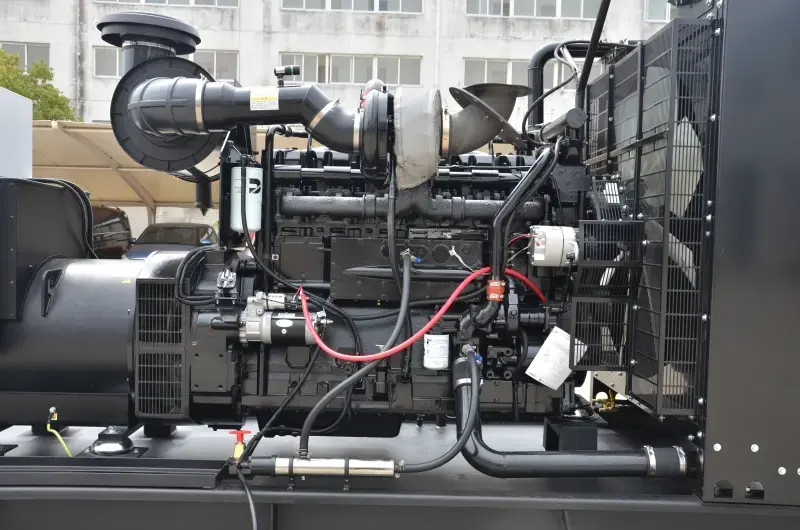
Diesel Generator Sets for Small Power Stations
Diesel Generator Sets for Small Power Stations
The Core Power of Small Power Stations: Selection and Value of Diesel Generator Sets
In remote energy supply stations, temporary power supply points for field engineering projects, or backup power systems to cope with grid fluctuations, small power stations always play a crucial role. The core equipment supporting the stable operation of these power stations is the diesel generator set specifically designed for them. These devices, with their unique performance advantages, have become the preferred choice for power assurance in many scenarios. This article will delve into their core value, selection logic, and operation and maintenance essentials.
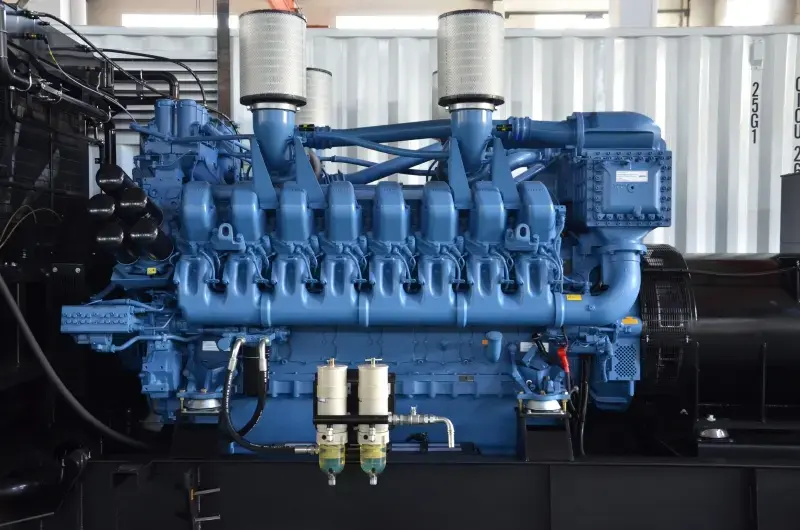
Customized for Small Stations: The Irreplaceable Advantages of Diesel Generator Sets
Small power stations often operate in scenarios characterized by large load fluctuations, complex environmental conditions, and limited maintenance resources. Diesel generator sets, through technological optimization, precisely match these needs. Their advantages are mainly reflected in three dimensions:
1. Dual Guarantee of High Efficiency, Energy Saving, and Controllable Costs
The high calorific value of diesel fuel and the compression ignition combustion technology of diesel engines give these generator sets energy conversion efficiency far exceeding that of gasoline engines. Data shows that the fuel consumption rate of small diesel generator sets is usually more than 30% lower than that of gasoline generator sets of the same power. Taking a 5kW commonly used unit as an example, continuous operation for 8 hours a day can save nearly 10,000 yuan in fuel costs annually. At the same time, diesel fuel has stronger storage stability and can be safely stored for 3-6 months in the simple oil storage facilities of small power stations without frequent replenishment, further reducing operating costs.
2. Reliable Operation Capability in Extreme Environments
Small power stations are often located in complex areas such as deserts, plateaus, and rainforests, which places extremely high demands on the environmental adaptability of the equipment. Diesel generator sets, with their robust structural design, can easily cope with harsh working conditions: in the 55℃ high-temperature environment of the Saudi Arabian desert, units equipped with special air filters can achieve continuous operation without failure; under the extreme cold conditions of -50℃ in Antarctica, through the optimization of the low-temperature starting system, the unit can start and provide stable power within 10 seconds. In addition, they have a higher tolerance for fuel impurities, and can still maintain a low failure rate in remote sites with limited fuel purification conditions, with a lifespan of 30,000-50,000 hours.
3. Flexible Load Response and Grid Adaptability
The power demands of small generator stations often combine both "continuous" and "sudden" needs, such as the alternating use of power tools at outdoor construction sites or the temporary activation of medical equipment at emergency sites. Diesel generator sets can respond to 80%-100% sudden load increases within 1-2 seconds. Models equipped with electronic governors can control frequency fluctuations within ±0.25Hz, and voltage deviations remain stable within ±1%, fully meeting the power supply requirements of precision equipment. At the same time, some models support islanded parallel operation, allowing for flexible addition or removal of operating units based on load changes, avoiding energy waste.
Precise Matching of Needs: The Core Logic of Selecting Small Generator Stations
The core of selection lies in "matching needs," not blindly pursuing high parameters. Considering the operating characteristics of small generator stations, the following four key indicators should be focused on:
1. Power Matching: Balancing Rated Load and Peak Demand
First, it is necessary to clarify the " běžné load" and "peak load" of the generator station – the normal load is the average power for long-term operation of the equipment, while the peak load is the instantaneous power when starting motors, compressors, and other equipment (usually 2-3 times the rated power). For scenarios like small community water supply stations, if the normal load is 15kW and the peak load is approximately 30kW, a 20-25kW diesel generator set should be selected. This avoids overload damage caused by undersized generators and prevents fuel waste caused by oversized generators.
2. Environmental Adaptability: Customized Solutions for Special Working Conditions
Select specialized configurations based on the site environment: In high-altitude areas above 4500m, models with turbochargers should be selected to reduce power attenuation (ordinary models experience a 10% power decrease for every 1000m increase in altitude); in rainy or high-humidity environments, control boxes with IP54 or higher waterproof rating and rain covers should be equipped; in mining sites with a lot of dust, high-efficiency air filters and fuel-water separators are essential, which can reduce engine wear by 50%.
3. Starting and Control: Improving Operation and Maintenance Convenience
Small generator stations often lack professional maintenance personnel, so the degree of automation of the equipment is crucial. It is recommended to prioritize electric start models, paired with maintenance-free batteries, for one-button starting; the control module should have comprehensive protection functions, such as automatic shutdown for overload, short circuit, low oil pressure, and high water temperature, and also support real-time display of operating data for convenient remote monitoring. For unattended sites, remote communication functions can be upgraded to enable remote fault alarm and start/stop control.
4. Compliance Considerations: Meeting Regional Environmental and Safety Standards
Different regions have specific requirements for diesel generator set emissions and noise, such as the EU Stage V standard and the North American EPA Tier 4 standard, both of which have strict limits on nitrogen oxide and particulate matter emissions. For small generator stations near residential areas, noise-reducing units (noise ≤75dB) should be selected, using mufflers and soundproof enclosures to reduce environmental impact; in areas with high environmental requirements, exhaust gas treatment devices can be added to meet emission standards.
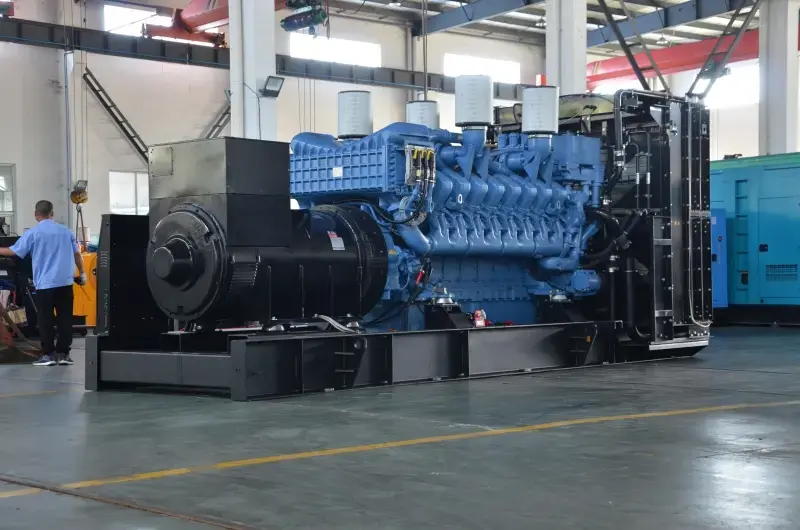
Key to Extending Lifespan: Operation and Maintenance Management Essentials for Small Generator Stations
The service life and operational stability of diesel generator sets largely depend on scientific operation and maintenance. Based on the actual conditions of small generator stations, this can be divided into two levels: daily inspection and regular maintenance:
1. Daily Inspection: Quick 5-minute check of operating status
Before starting the generator each day, four checks should be completed: oil level (within the scale range), coolant level (sufficient and no leaks), battery voltage (normal, ≥12.5V for 12V models), and fuel lines (unobstructed and undamaged). During operation, focus on observing instrument data; if abnormalities such as low oil pressure or water temperature exceeding 95℃ occur, stop the generator immediately for inspection.
2. Regular Maintenance: Precise execution based on operating hours
Develop a maintenance plan based on the generator's operating hours: every 50-80 hours of operation, clean the air filter and replace the diesel filter and engine oil; every 250-300 hours, add checks for drive belt tension and coolant replacement; every 500-1000 hours, conduct a comprehensive inspection of fuel injector atomization and cylinder carbon deposits. For standby units, even if not in use for extended periods, they should be run under no-load conditions for 10 minutes each month to prevent component corrosion. Practical Application Cases: Realizing the Value of Diesel Generator Sets in Various Scenarios
The value of diesel generator sets has been fully proven in small power plants around the world. The small power plant supporting the Sirajganj S4 combined cycle power plant in Bangladesh uses six 2500kVA diesel generator sets as black start power sources. In the event of a complete grid outage, these generators can start up within 3 minutes and supply power to the power plant's core equipment, ensuring efficient power restoration in the surrounding area.
In a temporary power plant at a desert oil field in Saudi Arabia, 12 customized diesel generator sets were deployed. Facing high temperatures of 55℃ and strong sand and dust environments, the generators achieved 18 months of continuous, trouble-free operation through optimized high-efficiency air filtration and cooling systems. This provided stable power support for oil field exploration equipment and reduced maintenance frequency by 60% compared to traditional models.
Conclusion: Core Power Supporting Energy Security
For small power plants, diesel generator sets are not only power supply equipment but also the core hub of energy security. Their high efficiency, reliability, and flexibility perfectly match the needs of various complex scenarios. Through precise power selection, customized configurations adapted to the environment, and scientific operation and maintenance management, diesel generator sets can maximize their value, providing stable and reliable power support for remote areas, field engineering operations, emergency response, and other scenarios, becoming an indispensable core power source for small power plants.
Website:https://site_fc70f0dc-e18d-4131-9144-d72c1199fe1a/
Email:shana@kwenergytech.com
Whatsapp:+86 18857031358