

Mobile Lighting Trailer Supplier
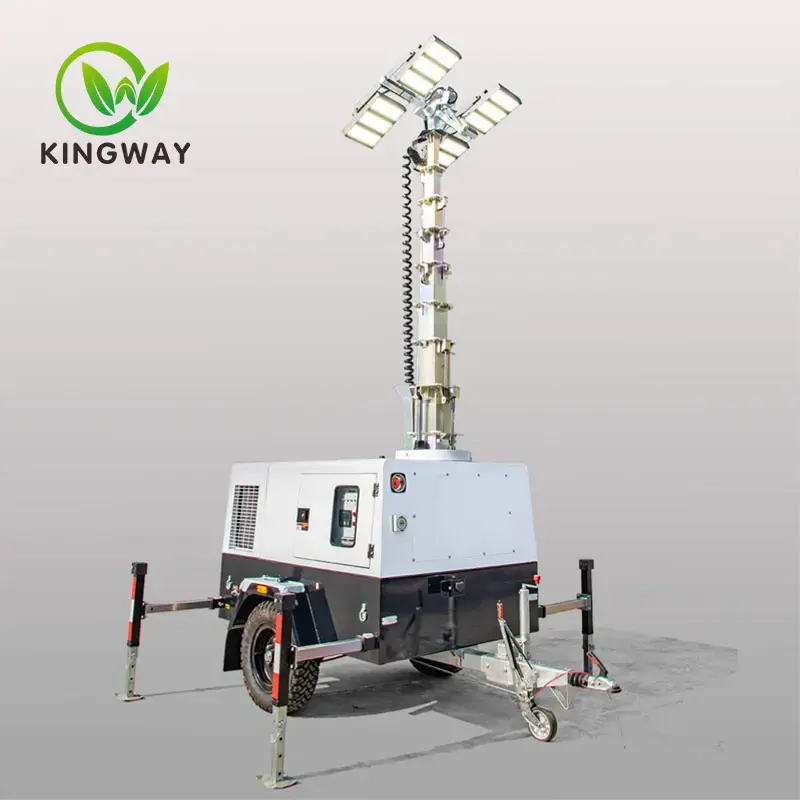
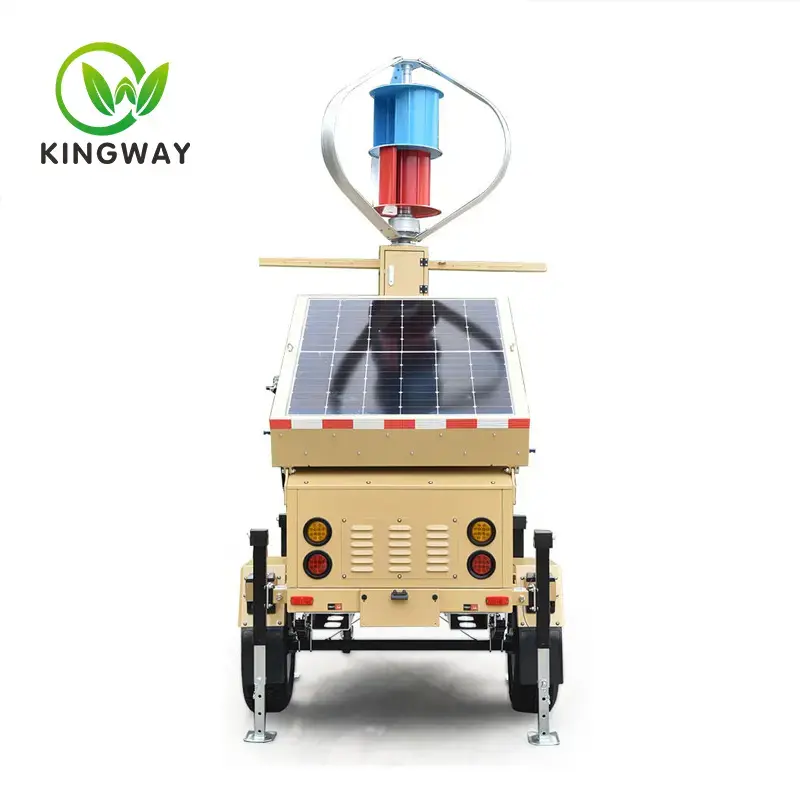
Comparison between diesel lighting trailer and solar lighting trailer
Comparison between diesel lighting trailer and solar lighting trailer
Introduction
In outdoor operations, temporary projects, construction in remote areas and other scenarios, lighting trailers play a vital role. They provide workers with necessary lighting conditions and ensure the continuity and safety of work. With the development of science and technology and the improvement of environmental awareness, diesel lighting trailers and solar lighting trailers have become the two main choices on the market. This article will conduct an in-depth comparative analysis of the two to help international wholesale buyers better understand their characteristics and make more appropriate choices.
Working principle of diesel lighting trailer and solar lighting trailer
Diesel lighting trailer
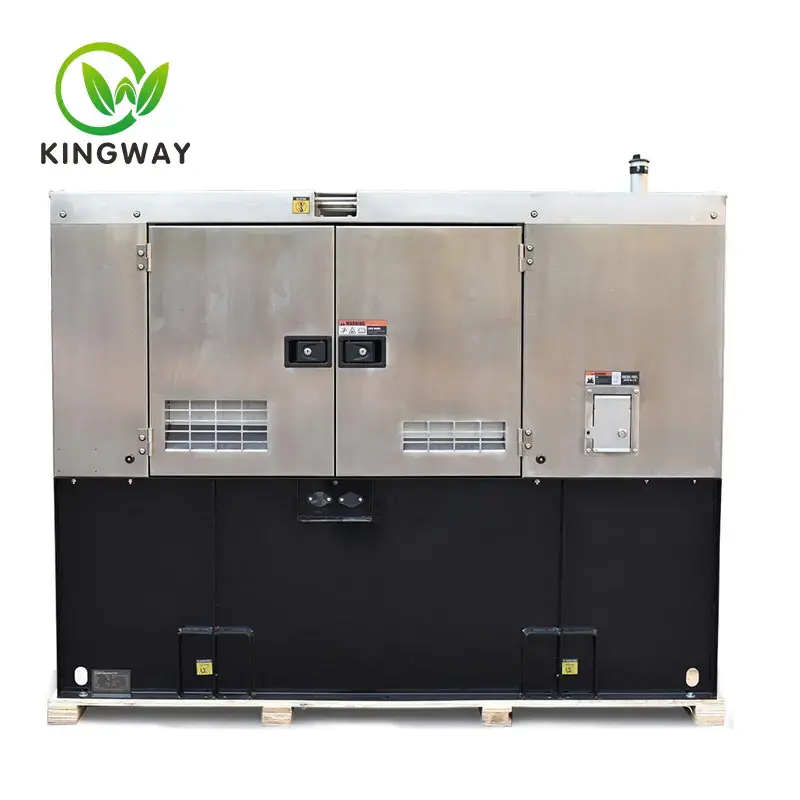
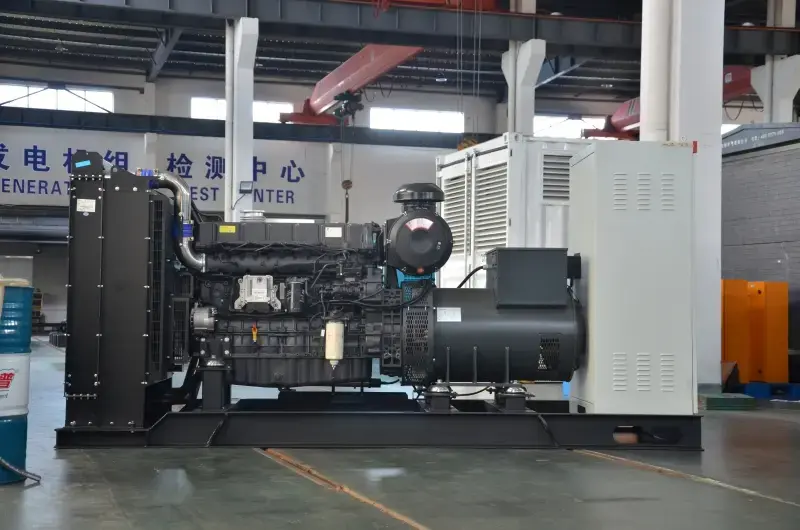
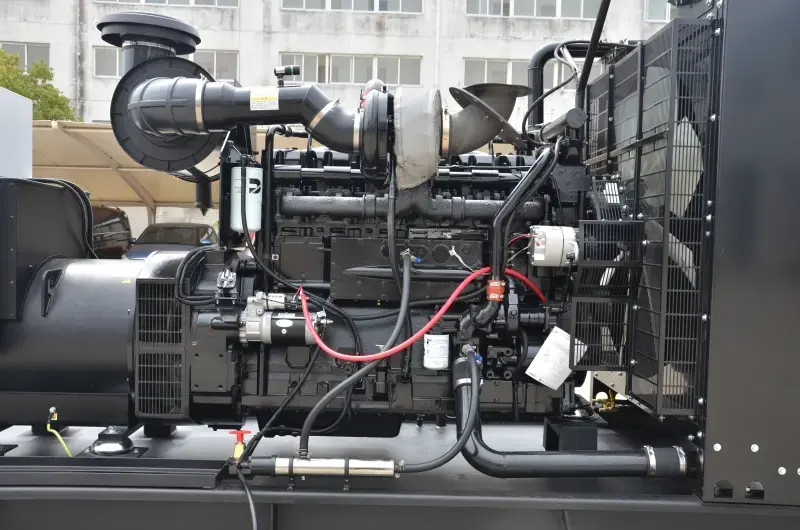
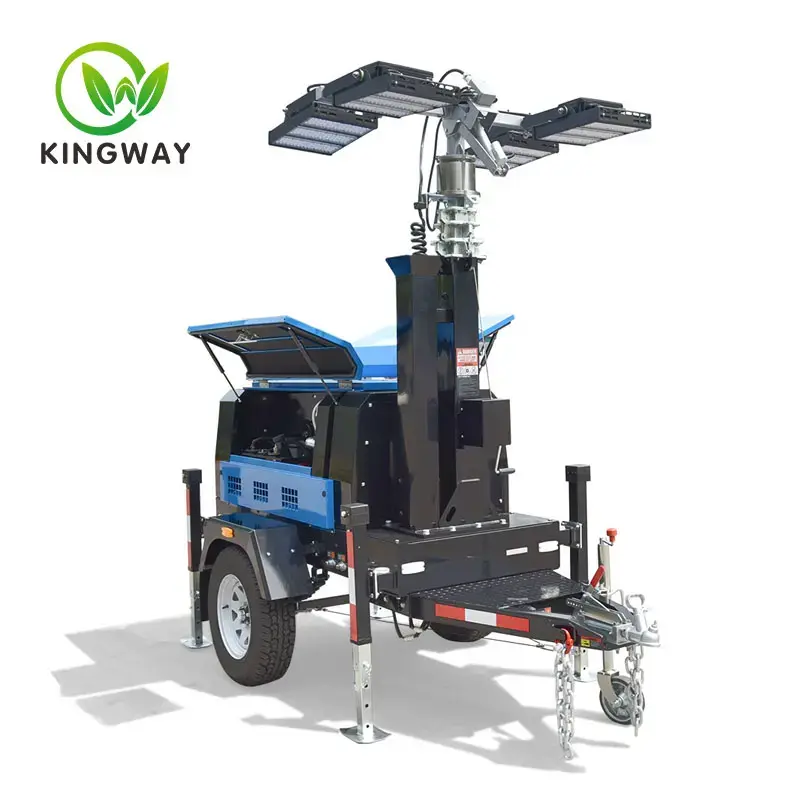
Diesel lighting trailer is mainly composed of diesel engine, generator, lighting system and trailer chassis. When working, the diesel engine burns diesel to drive the generator to generate electricity, and the generated electricity is supplied to the lighting fixtures to realize the lighting function. Its principle is relatively mature and direct. It can generate power and electricity by burning diesel, and can quickly and stably provide strong light output.
Solar lighting trailer
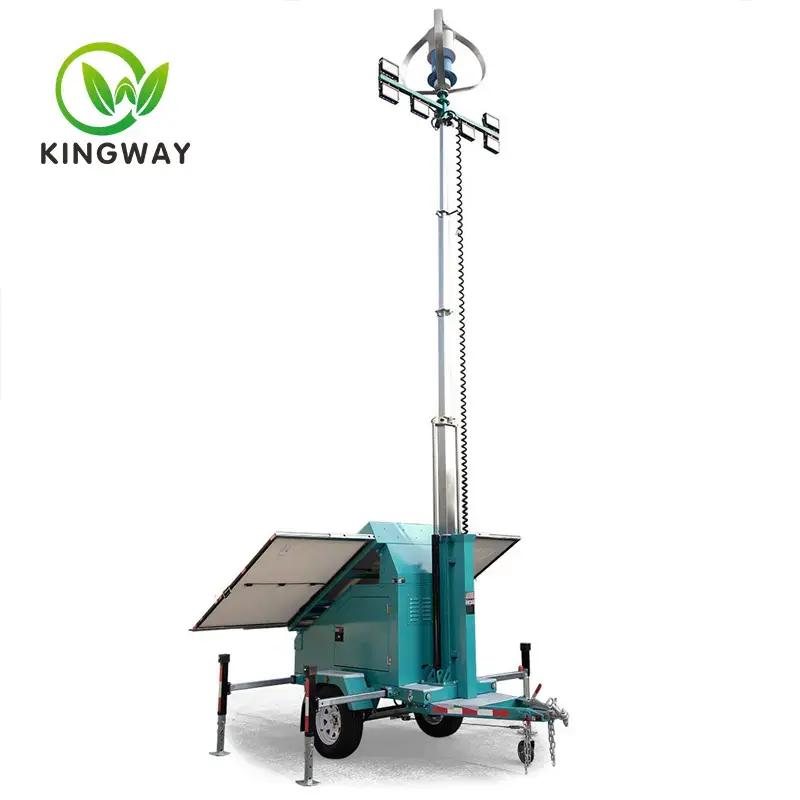
Solar lighting trailer mainly relies on solar panels, batteries, lighting systems and trailer chassis. During the day, solar panels convert solar energy into electrical energy and store it in batteries; at night or in dark environments, batteries release electrical energy to power lighting fixtures. It utilizes renewable solar Energy Resources to convert light energy into electrical energy and store it for lighting, which is a more environmentally friendly and sustainable lighting solution.
Performance comparison
Light intensity and stability
Diesel lighting trailers can usually provide strong and stable light intensity, and their power generation is large, which can support high-wattage lighting fixtures such as metallized halide lamps, high-pressure sodium lamps, etc., with a wide range of illumination and high brightness, which can meet the needs of large-scale work sites, night construction and other scenes with extremely high lighting requirements.
The light intensity of solar lighting trailers is relatively restricted by the power generation of solar panels and the capacity of batteries. Under sufficient sunlight, after a period of charging, it can also achieve a high light intensity, but in continuous rainy weather or insufficient light, the light intensity may decrease or the lighting time may be shortened. However, with the continuous advancement of solar energy technology, the conversion efficiency of solar panels has been continuously improved, and the energy storage performance of batteries has also been continuously improved. Some high-performance solar lighting trailers are getting closer and closer to or even comparable to some diesel lighting trailers in terms of light intensity and stability.
Startup time
Diesel lighting trailers start quickly. As long as the diesel engine is started, the generator can generate electricity quickly, and the lighting system can work normally in a short time. It usually takes only tens of seconds to a few minutes to reach the predetermined light intensity, which can quickly respond to the lighting needs on site.
The start-up of solar lighting trailers is relatively dependent on the battery power state. If the battery has enough power, the lighting system can be started directly after pressing the switch, and the start-up time is relatively fast, generally within a few seconds to more than ten seconds. However, if the battery power is insufficient, it may be necessary to charge the battery first, and wait until it is charged to a certain degree before the lighting function can be used normally. This process may take a long time, especially in the absence of sunlight, and it needs to rely on external power supply to charge, which may affect its timeliness in emergency situations.
Cost investment comparison
Initial purchase cost
The initial purchase cost of diesel lighting trailers is relatively low. Its technology is mature, the production scale is large, and the market supply is sufficient, so the price is relatively affordable. The price of an ordinary diesel lighting trailer generally ranges from thousands of yuan to tens of thousands of yuan depending on the configuration. It is suitable for enterprises and users with limited budgets but large lighting needs.
The initial purchase cost of a solar lighting trailer is high. The research and development and production costs of key components such as solar panels and batteries are relatively high, and its overall production process and requirements are also relatively complex, resulting in its price generally higher than that of a diesel lighting trailer. Generally speaking, the price of a solar lighting trailer ranges from tens of thousands to more than 100,000 yuan, but with the development of technology and the intensification of market competition, its price is gradually declining.
Operating cost
The operating cost of a diesel lighting trailer mainly includes diesel fuel costs, engine and generator maintenance costs, and replacement costs of wearing parts. Diesel prices are relatively high, and engines and generators need to regularly replace wearing parts such as oil, air filters, spark plugs, etc. during long-term operation, and maintenance costs cannot be ignored.
The cost of a solar lighting trailer during operation is mainly concentrated on the replacement cost of batteries. Solar panels have a long life under normal use, generally about 15-20 years, and basically no additional fuel costs. The service life of batteries is generally about 3-5 years. Depending on the type and quality of the battery, the replacement cost will vary greatly, but in general, its operating cost is much lower than that of diesel lighting trailers.
Total cost of ownership
From the perspective of total cost of ownership, in the case of short-term use, the initial cost of diesel lighting trailers is low, which may be more advantageous. However, as the use time increases, its fuel and maintenance costs continue to accumulate, and the total cost of ownership will gradually increase.
Although the initial cost of solar lighting trailers is high, in the long run, due to its low operating cost, especially in the case of long-term and frequent use, its total cost of ownership is expected to be lower than that of diesel lighting trailers, especially in some projects with high environmental requirements and long use time, the cost advantage of solar lighting trailers will be more obvious.
Maintenance and maintenance
Maintenance cycle and complexity
Due to the relatively complex mechanical structure of diesel lighting trailers, the engine, generator and other components will wear and age during operation, so regular maintenance is required. Generally, routine maintenance is required every 50-100 hours of operation, including changing the engine oil, air filter, checking the engine belt, etc. The maintenance cycle is relatively short, and the maintenance work is relatively complicated, requiring professional technicians and tools to operate.
The maintenance cycle of solar lighting trailers is long, the structure is relatively simple, and the main components such as solar panels, controllers, batteries, etc. are relatively stable under normal circumstances. Usually, it only requires simple maintenance work such as cleaning the solar panels every few months, checking whether the connection lines are loose, and testing the performance of the batteries. Maintenance is relatively easy, and ordinary users can complete most of the daily maintenance by themselves after simple training.
Failure rate and maintenance difficulty
The failure rate of diesel lighting trailers is relatively high, especially the engine and generator parts, which are prone to various mechanical failures, such as difficulty in starting the engine, no power generation of the generator, and engine overheating. Once a failure occurs, the maintenance is difficult, and professional maintenance personnel are required to diagnose and repair the fault. More parts may need to be replaced, and the maintenance time and cost are high.
The failure rate of solar lighting trailers is relatively low, and the reliability of its electronic components is high. As long as it is installed and used properly, it generally has few failures. If a fault occurs, it is usually a battery fault, a controller fault, or a damaged lighting fixture. The repair is relatively simple. In most cases, the problem can be solved by replacing the faulty parts, and the repair cost is relatively low.
Environmental impact
Pollution emissions
Diesel lighting trailers will emit a large amount of pollutants during operation, such as carbon dioxide, carbon monoxide, nitrogen oxides, particulate matter, etc., which will cause certain pollution to the environment, especially in places with poor air circulation. The exhaust gas emitted will harm the health of the staff and is not conducive to the protection of the surrounding ecological environment.
Solar lighting trailers produce almost no pollutant emissions during use. Solar energy is a clean energy source. It does not produce greenhouse gases or other harmful substances during energy conversion. It is very friendly to the environment and meets the environmental protection concept and sustainable development requirements of today's society.
Noise pollution
The diesel engine of the diesel lighting trailer will generate a lot of noise when working, which will cause noise pollution to the surrounding environment and staff, affecting the comfort of the working environment. Long-term exposure to high noise environment may also cause hearing damage to staff.
Solar lighting trailers are quiet, with almost no noise except for the faint hum that may be produced when the lighting fixtures are turned on, which can provide a quieter and more comfortable working environment for workers.
Applicable scenarios
Areas far from the power grid
Diesel lighting trailers are suitable for remote areas far from the power grid, field work sites, etc. As long as there is enough diesel supply, they can provide stable lighting for a long time. For some areas without power grid coverage or unstable power supply but with high requirements for lighting, such as mountain construction, oil exploration, mining, etc., diesel lighting trailers are an ideal choice.
Solar lighting trailers can also play a good role in areas far from the power grid, especially in sunny areas. It can use solar energy to generate electricity and store electricity to achieve self-sufficient lighting. However, for some remote areas with insufficient light or continuous rainy weather, there may be certain restrictions, and larger capacity batteries or auxiliary power supplies are needed to ensure the continuity of lighting.
Temporary projects
Diesel lighting trailers are widely used in temporary projects, such as construction sites, road construction, bridge construction, etc. These projects usually have a short construction period, but require high power and stability of lighting. Diesel lighting trailers can be deployed quickly and provide strong lighting support in time to meet the needs of project progress.
Solar lighting trailers are also used in temporary projects, especially in some green building projects or outdoor temporary activity venues with high environmental protection requirements. If the project site has good lighting conditions, solar lighting trailers can be used as a sustainable lighting solution to reduce dependence on traditional energy and reduce carbon emissions of the project.
Power outage emergency lighting
Diesel lighting trailers can be used as power outage emergency lighting equipment. In the event of power outages caused by natural disasters, power failures, etc., they can quickly start and provide lighting to ensure people's life and work order, such as emergency backup lighting in hospitals, schools, factories and other places.
Solar lighting trailers can also be used as power outage emergency lighting, but their emergency capabilities are affected by factors such as battery power and weather. If the battery is fully charged before the power outage, the solar lighting trailer can be put into use immediately, but if the battery is insufficient and there is no sunlight to charge, its emergency lighting time may be limited.
Technology Development Trends
Diesel Lighting Trailers
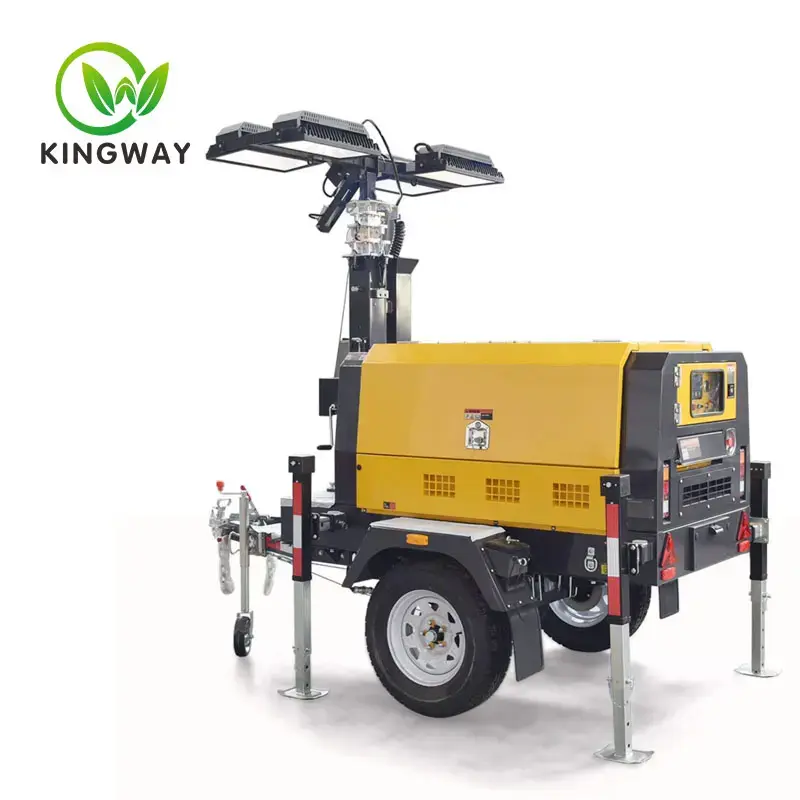
The development trend of diesel lighting trailers will mainly focus on improving the combustion efficiency of the engine, reducing emissions and noise, and improving fuel economy. For example, advanced turbocharging technology, high-pressure common rail fuel injection technology, etc. are used to reduce the pollutant emissions of diesel engines and improve their environmental performance; at the same time, more efficient and energy-saving generators and lighting systems are developed to reduce energy consumption and improve overall performance.
In addition, with the application of intelligent technology, diesel lighting trailers will also have a more intelligent control system, which can realize automatic start, stop, fault diagnosis, remote monitoring and other functions, improve the automation level and management level of equipment, and reduce manual operation intensity and maintenance costs.
Solar Lighting Trailers
The conversion efficiency of solar panels, one of the core technologies of solar lighting trailers, will continue to improve, which means that more electricity can be generated under the same area, thereby improving the performance and reliability of lighting trailers and reducing dependence on battery capacity. At the same time, the research and development of new solar cell materials will also promote the performance of solar lighting trailers. Materials with higher conversion efficiency and lower production costs, such as perovskite solar cells, are expected to be widely used in the future.
The advancement of battery technology will also provide strong support for the development of solar lighting trailers. For example, the research and development and application of high-performance batteries such as lithium-ion batteries and solid-state batteries will improve the energy density, cycle life and safety of batteries, further reduce the total cost of ownership of solar lighting trailers, and expand their market share.
In terms of intelligent control, solar lighting trailers will be deeply integrated with technologies such as the Internet of Things and big data to achieve more intelligent energy management, lighting control and remote monitoring functions. For example, the intelligent control system automatically adjusts the lighting brightness according to factors such as ambient light intensity and personnel activities to achieve energy saving and consumption reduction; at the same time, the Internet of Things technology is used to achieve interconnection and remote centralized management between trailers to improve the management efficiency and operation and maintenance level of equipment.
Conclusion
Diesel lighting trailers and solar lighting trailers have their own advantages and disadvantages, and they are suitable for different scenarios and needs. Diesel lighting trailers have the advantages of high light intensity, good stability, and fast start-up, but they have certain disadvantages in environmental protection and operating costs; solar lighting trailers are receiving more and more attention for their advantages such as environmental protection, low operating costs, and low noise, but they are relatively subject to external conditions in terms of light intensity and stability. When choosing, international wholesale buyers should consider their own usage scenarios, budget, environmental protection requirements, and long-term operating costs of the equipment, and weigh the pros and cons to choose the type of lighting trailer that best suits their needs. At the same time, with the continuous development and advancement of technology, diesel lighting trailers and solar lighting trailers will continue to be optimized and improved in the future, providing the market with more high-quality, efficient, and environmentally friendly lighting solutions.