

Mobile Lighting Trailer Supplier

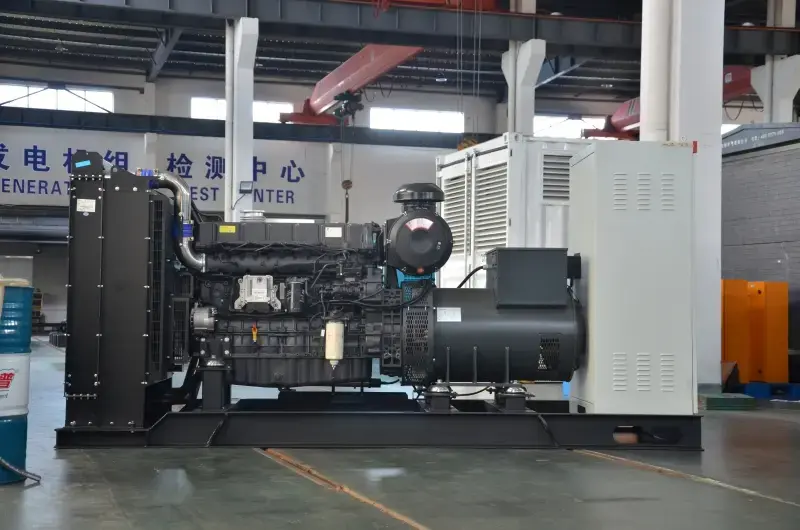

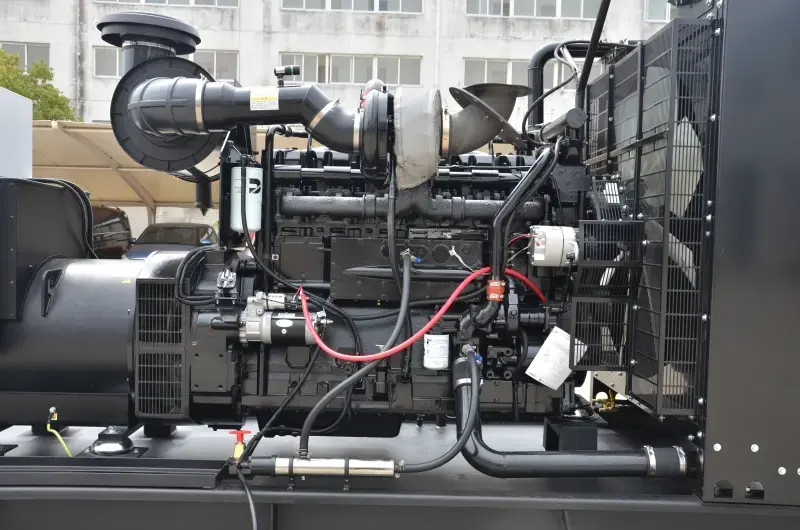


Causes and effects of increased carbon deposits in diesel generator sets
Causes and effects of increased carbon deposits in diesel generator sets
Poor diesel quality: Diesel mixed with impurities or poor quality will lead to incomplete combustion, resulting in carbon deposits.
Long-term use of lubricating oil: Long-term use of lubricating oil will lead to an increase in the colloid content, affecting the combustion effect of the fuel, and then produce carbon deposits.
Loose piston ring or too large gap: Loose piston ring or too large gap may cause engine oil to enter the combustion chamber and burn, resulting in carbon deposits.
Excessive fuel supply from the injection pump: Excessive fuel supply from the injection pump or too low injection pressure will lead to incomplete combustion of the fuel and the formation of carbon deposits.
Inaccurate ignition timing: Inaccurate ignition timing will affect the combustion effect of the fuel and lead to the formation of carbon deposits.
Low-temperature operation: Long-term operation of the diesel engine at low temperatures will lead to incomplete combustion of the fuel and the formation of carbon deposits.
Wear of cylinder sealing components: Wear or damage of cylinder sealing components will lead to incomplete combustion of the fuel and the formation of carbon deposits.
Injector problems: Poor injector atomization, oil dripping, too high or too low injection pressure, etc. can cause incomplete combustion of fuel and form carbon deposits.
Long-term overload operation: Long-term overload operation of the diesel engine or frequent slamming of the accelerator by the driver will aggravate the carbon deposits.
The effects of carbon deposits on Diesel Generator sets include:
Reduced engine performance: Carbon deposits will increase the compression ratio of the diesel engine and reduce the compression efficiency, thereby affecting the performance and fuel economy of the engine.
Increase oil deterioration: Carbon deposits will cause the temperature of the diesel engine to rise, accelerate the deterioration of the oil, and increase the wear and deformation of the parts.
Cause deflagration and knocking: Carbon deposits may cause deflagration and knocking of the diesel engine and shorten its service life.
Methods to prevent and reduce carbon deposits include:
Regularly replace diesel and lubricants: Ensure the use of high-quality diesel and lubricants, and avoid using expired or poor quality oils.
Check and maintain the piston ring: Check the condition of the piston ring regularly to ensure that its clearance is within the allowable range to prevent the oil from entering the combustion chamber.
Adjust the fuel supply of the injection pump: Ensure that the fuel supply of the injection pump is within a reasonable range to avoid excessive or insufficient fuel supply.
Adjust the ignition time: Ensure that the ignition time is accurate to avoid ignition too early or too late.
Avoid low-temperature operation: Try to avoid running the diesel engine for a long time at low temperatures.
Check the cylinder sealing parts regularly: Ensure that the cylinder sealing parts are intact to prevent fuel leakage.
Maintain the injector: Check and maintain the injector regularly to ensure that its atomization effect is good to avoid oil dripping and oil leakage.
Avoid long-term overload work: Reasonably arrange the workload of the diesel engine to avoid long-term overload work.