

Mobile Lighting Trailer Supplier
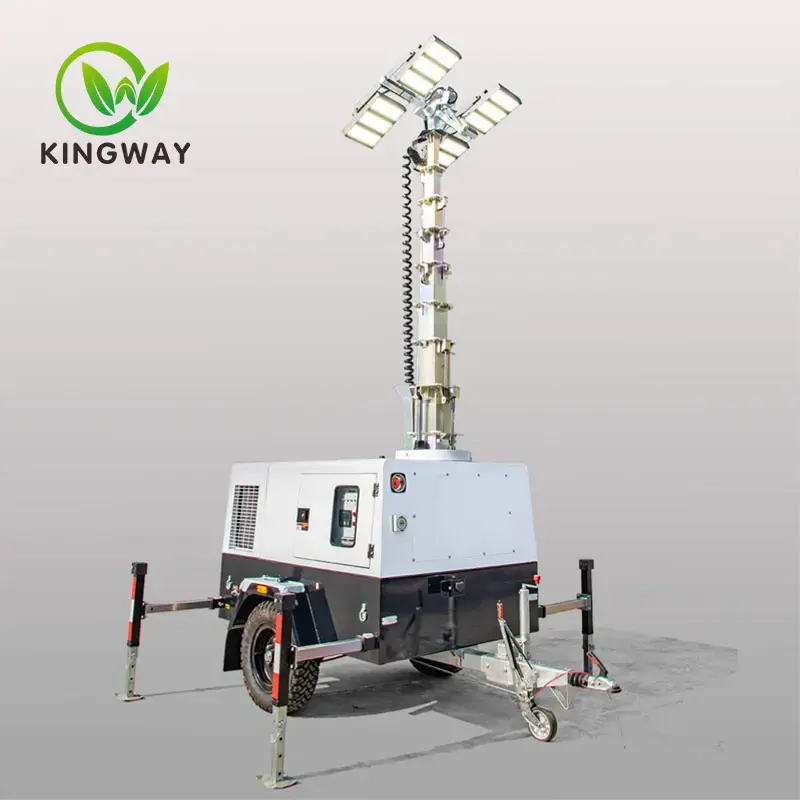
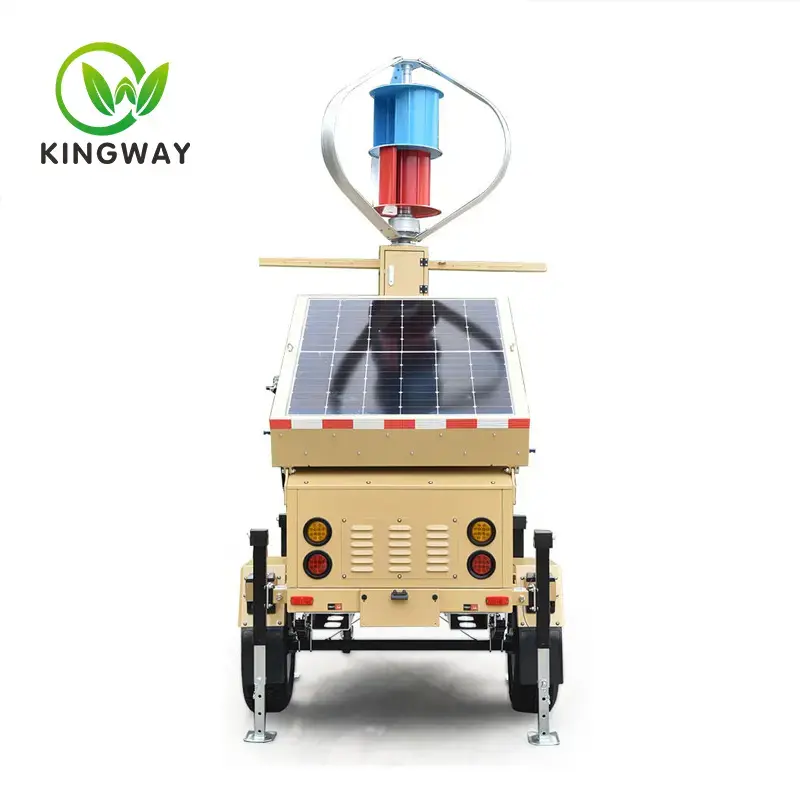
Can the Surveillance Trailer still work properly in extreme weather?
Can the Surveillance Trailer still work properly in extreme weather?
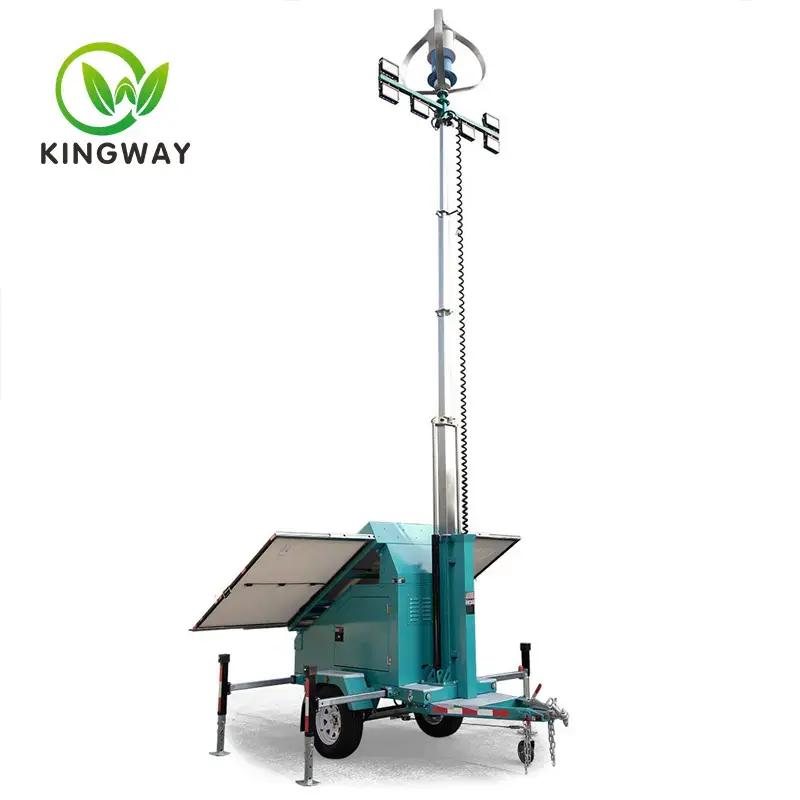
Surveillance Trailers, or surveillance trailers, are an integral part of modern security systems, and they provide surveillance services in a variety of environments. Extreme weather conditions, such as heavy rain, high temperatures, and heavy snow, pose severe challenges to the performance of surveillance trailers. This article will explore how surveillance trailers can maintain normal operation in extreme weather and analyze the key technologies and measures to ensure their stable operation.
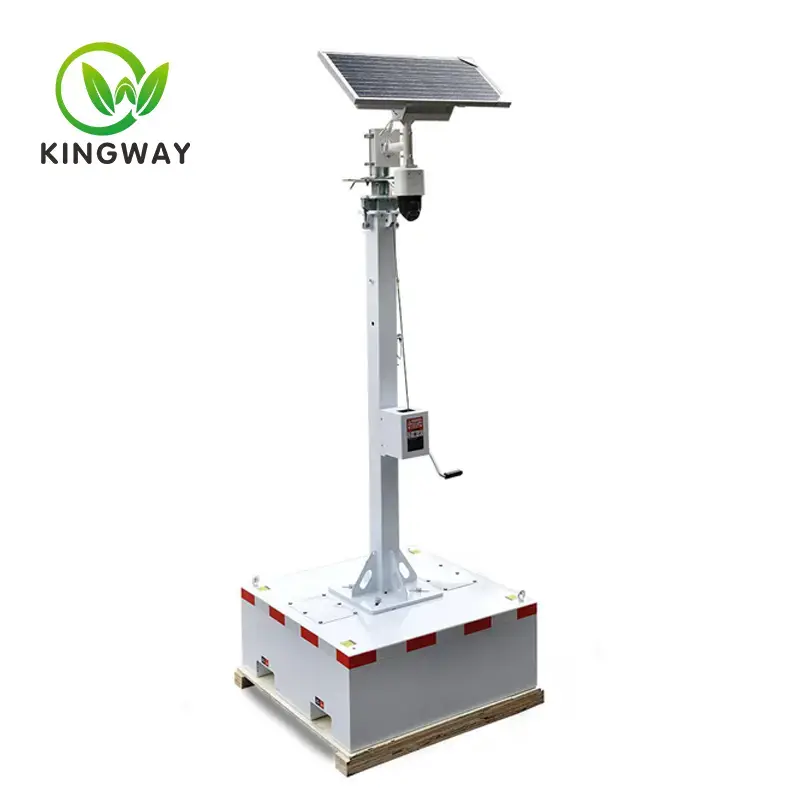
Hardware Selection and Protection Level
First of all, in order to ensure the normal operation of surveillance trailers in extreme weather, it is crucial to select the right hardware. Surveillance equipment needs to have a high waterproof and dustproof rating, such as IP67 or IP68, to withstand the invasion of rain and other harsh weather conditions. In addition, the camera must be able to operate in a wide temperature range to adapt to environmental changes from extreme heat to extreme cold.
Redundant Design and System Stability
Redundant design is the key to ensuring that the surveillance system can continue to operate when some equipment fails. By deploying multiple cameras at key monitoring points and establishing multiple network paths, data can be transmitted through backup routes. Uninterruptible power supply (UPS) system is also an important measure to ensure that the system continues to operate during power outages
Cloud storage and data security
Under extreme weather conditions, local storage devices may be damaged, resulting in the loss of important monitoring data. Using cloud storage, data can be safely stored on remote servers, and the data can be protected even if local devices are damaged
Adapting to extreme temperature differences and environmental challenges
Under extreme temperature differences and environmental challenges, such as the extremely cold conditions at the Antarctic research station, monitoring equipment must be able to adapt to low temperatures above minus 40 degrees Celsius, as well as huge temperature differences and icing, storm invasions and other problems. In the reconstruction project of the Ferraz Antarctic Research Station in Brazil, Blue Star's products stood out from many competitors due to their excellent performance and extremely high cost performance
Technological progress and innovation
With the advancement of technology, we have more tools and methods to cope with the challenges of extreme weather. For example, new data-driven object detection models, such as SDNIA-YOLO, are designed for extreme weather conditions, and improve the robustness of the model by adaptively improving image quality and learning valuable information related to extreme weather conditions from images synthesized by neural style transfer
Conclusion
In summary, through careful design and implementation, surveillance trailers can maintain normal operation even in extreme weather. The key lies in selecting hardware suitable for severe weather, implementing redundant designs, using cloud storage to protect data security, adapting to extreme temperature differences and environmental challenges, and using technological advances and innovations to improve the robustness of the system. These measures together ensure the reliability and effectiveness of surveillance trailers in the face of severe weather conditions such as heavy rain, high temperatures, and heavy snow, protecting our property and safety