

Mobile Lighting Trailer Supplier
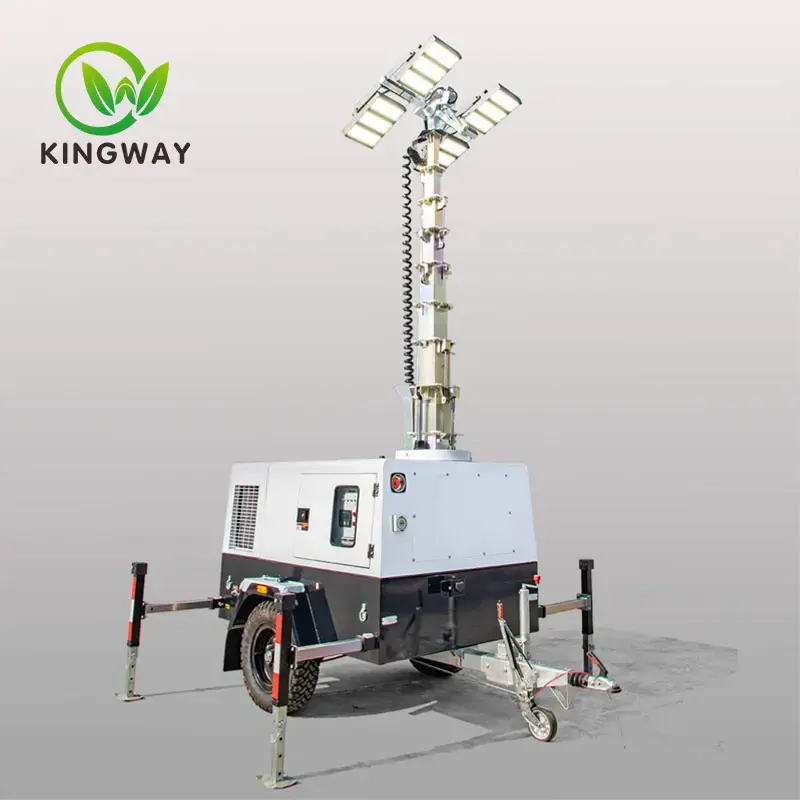
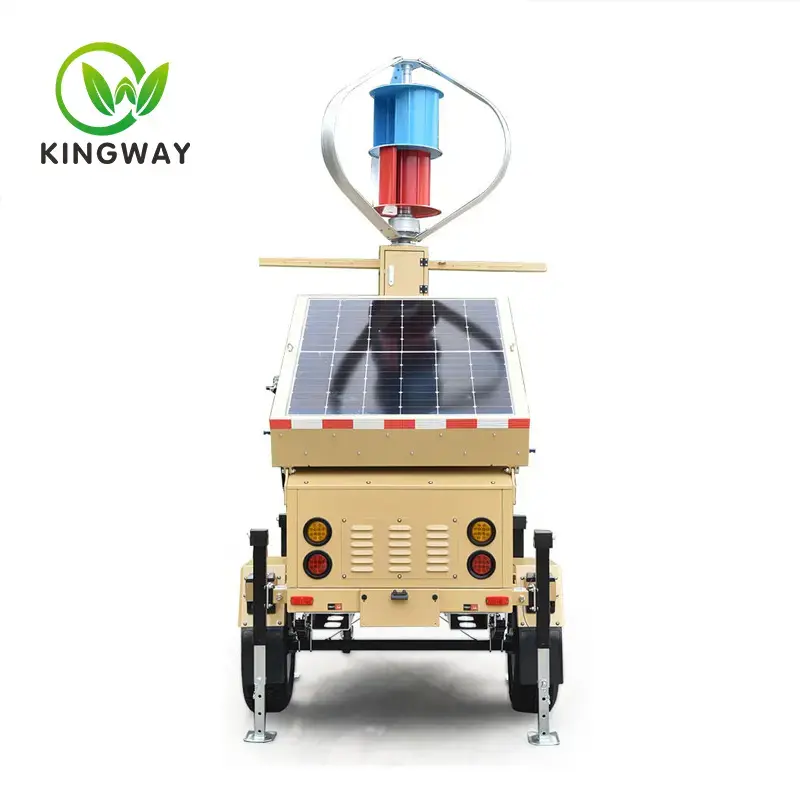
Analysis of the transportation cost of mobile surveillance lighting trailers
Analysis of the transportation cost of mobile surveillance lighting trailers
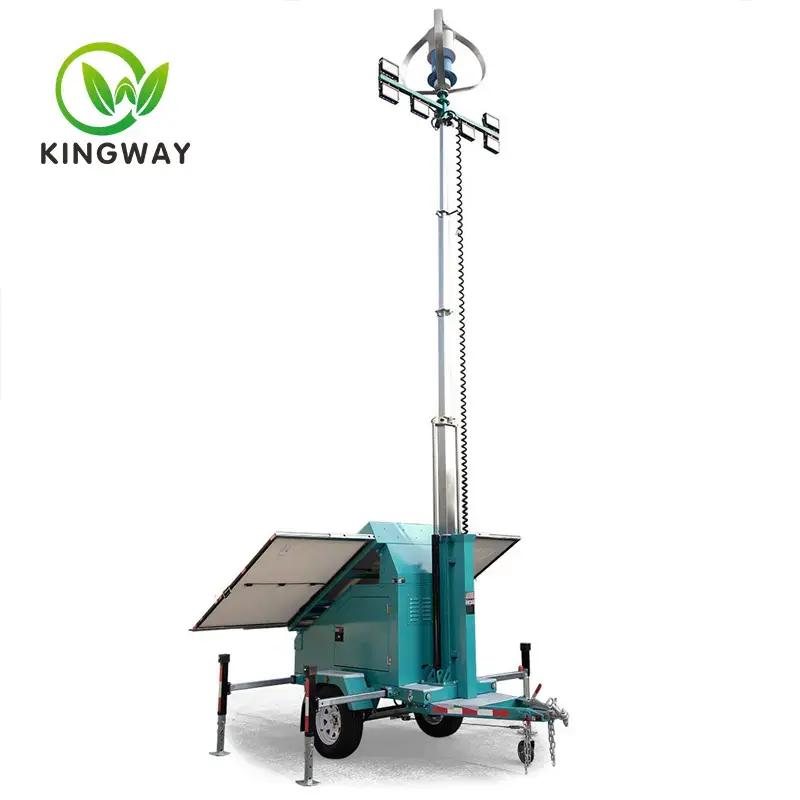
In today's business environment, mobile surveillance lighting trailers are widely used in various scenarios, such as construction sites, mining, and large-scale event security, due to their convenience, flexibility, and efficiency. For international wholesale buyers, when considering purchasing mobile surveillance lighting trailers, in addition to paying attention to the price, performance, and quality of the product itself, transportation costs are also an important factor that cannot be ignored. This article will explore in depth the issues related to the transportation cost of mobile surveillance lighting trailers, aiming to help international wholesale buyers better understand this field and make more informed purchasing decisions.
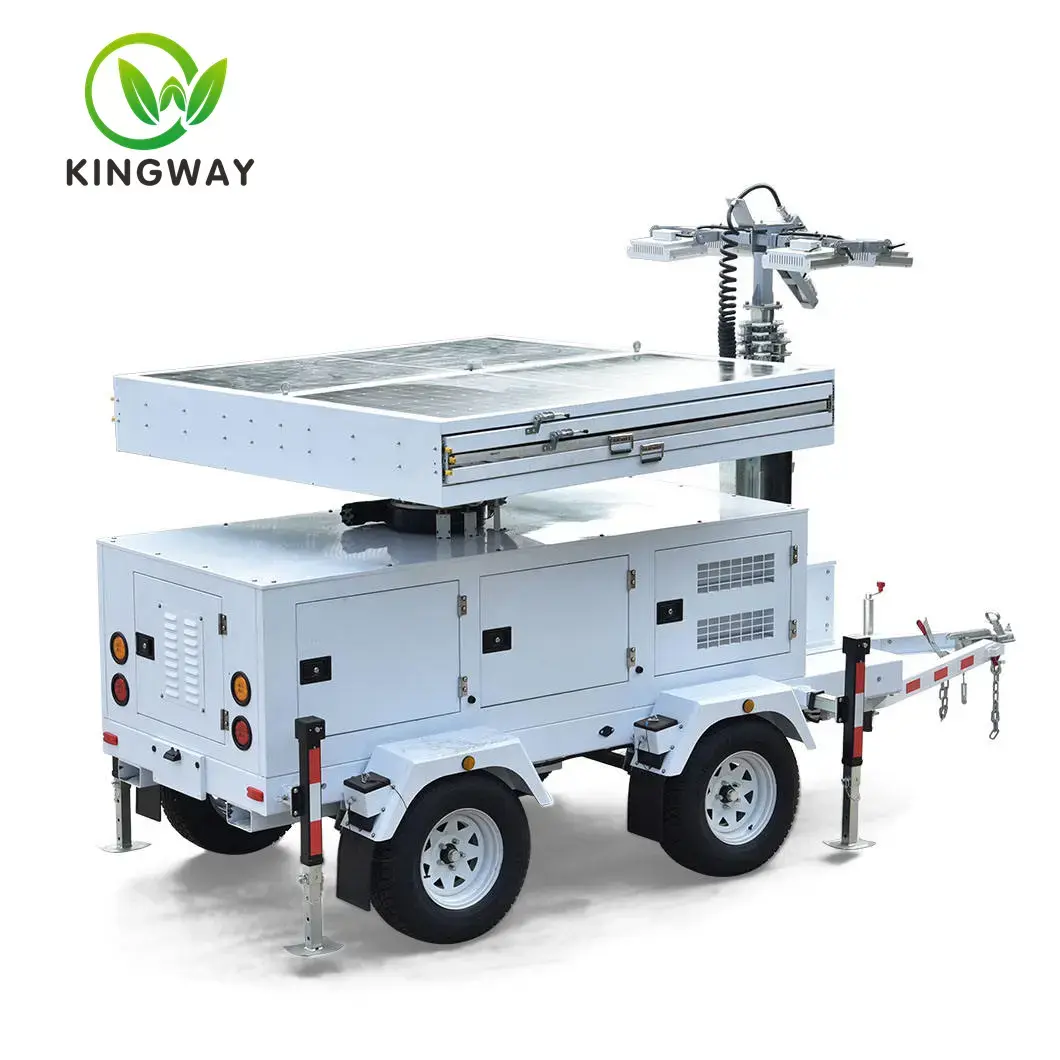
Transportation mode selection and cost
Road transportation:
Cost composition: The cost of road transportation is mainly composed of vehicle fuel consumption, tolls, driver wages, and insurance costs. Its price is relatively flexible, and is usually calculated comprehensively based on factors such as transportation distance, cargo weight, and volume. For short-distance transportation, road transportation often has cost advantages and can deliver trailers to the destination in a shorter time.
Applicable scenarios: Applicable to transportation between different cities in the same country or region, especially when the transportation distance is within 500 kilometers, road transportation is more efficient and cost-effective.
Railway transportation:
Cost composition: The cost of railway transportation mainly includes railway freight, loading and unloading fees, insurance premiums, etc. Its freight is generally calculated according to the weight of the goods and the freight rate. The freight rate is relatively stable and low, which is suitable for long-distance transportation of large quantities of goods.
Applicable scenarios: If the transportation distance is long and the quantity of goods is large, railway transportation is a more economical choice. For example, between different provinces in the country or in some areas where cross-border railway transportation is more convenient, railway transportation can be used to reduce transportation costs.
Water transportation:
Cost composition: The cost of water transportation mainly includes ship fuel costs, port loading and unloading fees, waterway usage fees, crew wages and insurance premiums. Its transportation cost is usually low, but the transportation time is long and is greatly affected by factors such as geographical conditions and weather.
Applicable scenarios: For mobile surveillance lighting trailers exported to coastal or riverside areas, or international orders that require ocean transportation, water transportation is a cost-effective method. For example, in large ports such as Shanghai Port and Ningbo Port in my country, a large number of mobile surveillance lighting trailers are exported to all parts of the world by sea every year, and their transportation costs account for a relatively low proportion of the total cost.
Air transportation:
Cost composition: The cost of air transportation mainly includes air freight, airport loading and unloading fees, security fees, insurance premiums, etc. Air freight is relatively high, and the cost is usually calculated according to the larger of the weight and volume of the goods, but for emergency and high-value cargo transportation, its timeliness advantage is obvious.
Applicable scenarios: Generally applicable to special situations with extremely high requirements for transportation time, such as customers urgently need trailers for important activities and time is tight, or some high-value parts in the trailer need to be transported quickly. Due to the high cost, air transportation of mobile surveillance lighting trailers as a whole is rarely used, mostly for the transportation of some key parts or emergency maintenance equipment.
Factors Affecting Transportation Costs
Transportation distance: Transportation distance is one of the most direct factors affecting transportation costs. Generally speaking, the longer the transportation distance, the higher the transportation cost. Whether it is road, rail or water transportation, as the distance increases, the costs of fuel consumption, transportation time, vehicle wear and tear, etc. will rise accordingly. For example, the transportation distance of a mobile surveillance lighting trailer from China to Europe is significantly longer than that to other Asian countries, and its transportation cost will be several times higher.
Cargo weight and volume: The greater the weight and volume of the mobile surveillance lighting trailer, the more space and resources it occupies during transportation, resulting in increased transportation costs. Especially for air transportation and road transportation, the weight and volume restrictions of cargo are more stringent, and overweight or over-volume cargo may require special equipment or vehicles for transportation, further increasing transportation costs. For example, some large trailers equipped with a variety of advanced monitoring equipment and lighting systems have a large volume and weight, and may require special heavy trucks or large cargo aircraft for transportation, and the transportation costs will also increase accordingly.
Transportation routes: Different transportation routes may involve different geographical conditions, traffic conditions and transportation costs. For example, passing through some mountainous areas, remote areas or traffic congested sections may lead to longer transportation time, increased fuel consumption and increased vehicle wear and tear, which in turn increases transportation costs. In addition, in international transportation, the choice of transportation routes may also be affected by political, economic, and trade policy factors. For example, trade barriers or port congestion in certain regions may also lead to increased transportation costs.
Oil price fluctuations: Fuel is an indispensable cost component in the transportation process, and oil price fluctuations will directly affect transportation costs. When oil prices rise, the operating costs of road, rail and air transportation will increase accordingly. For example, in road transportation, fuel consumption costs usually account for a large proportion of the total transportation cost. Oil price fluctuations may cause transportation companies to have to adjust freight rates to cope with cost changes. According to relevant statistics, for every 10% increase in oil prices, transportation costs may increase by about 5% - 8%, which is not to be underestimated for large-scale mobile surveillance lighting trailer transportation.
Transportation timeliness requirements: If customers have high requirements for transportation timeliness and choose fast transportation methods such as air transportation or expedited road transportation services, the transportation costs will increase significantly. For example, in order to meet urgent project needs or seize market opportunities, some international wholesale buyers require suppliers to deliver mobile monitoring lighting trailers to designated locations in a short period of time. At this time, they may need to pay higher freight to obtain priority transportation rights or use faster transportation tools.
Exchange rate fluctuations: In international trade, exchange rate fluctuations will also affect the transportation costs of mobile monitoring lighting trailers. When the domestic currency appreciates, the transportation costs denominated in foreign currencies will be relatively reduced; conversely, when the domestic currency depreciates, the transportation costs will increase. For example, for Chinese mobile monitoring lighting trailer suppliers, if the RMB exchange rate against the US dollar rises, the transportation costs denominated in US dollars will decrease after conversion to RMB, and vice versa. This may have a certain impact on the procurement costs of international wholesale buyers and the profits of suppliers.
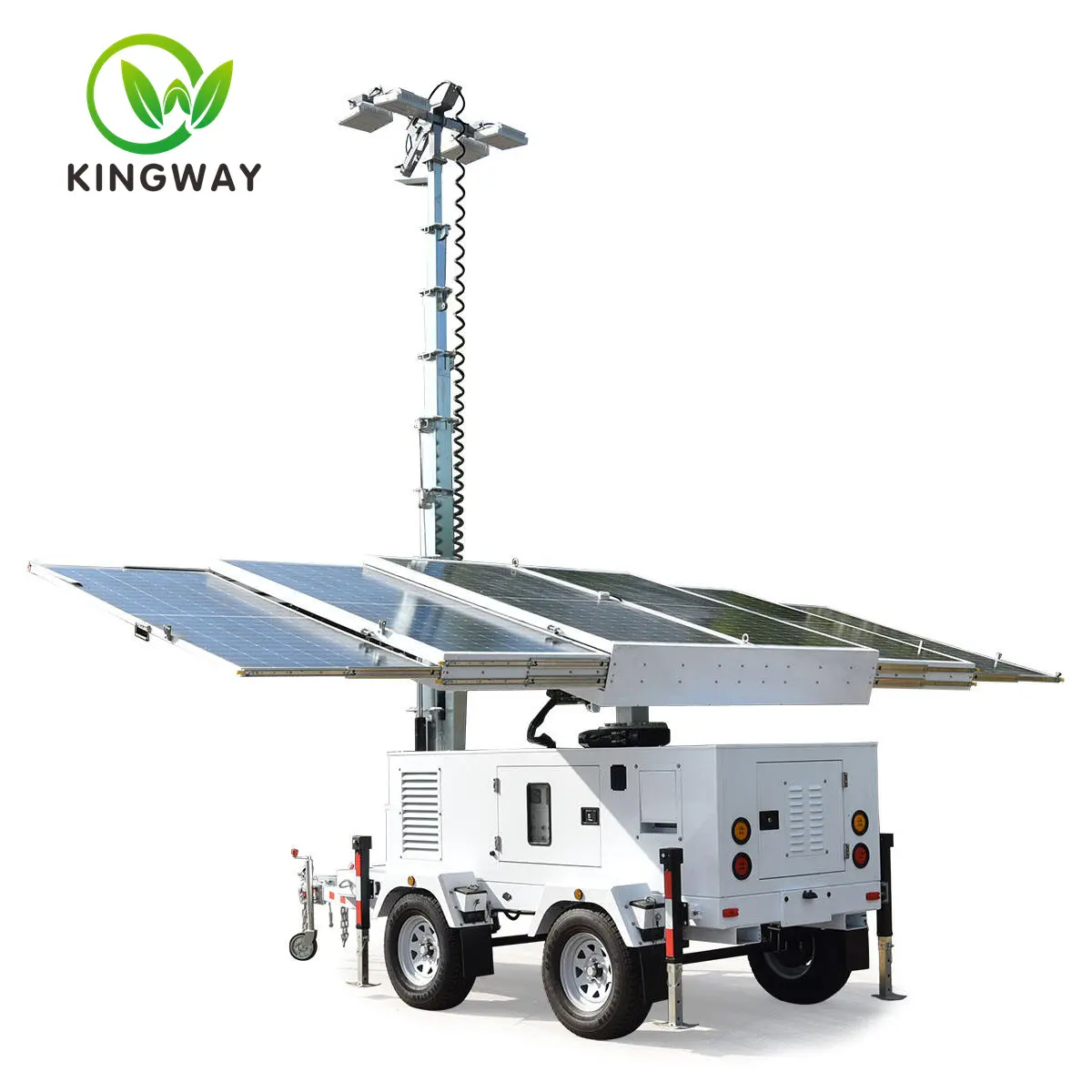
Optimization strategy for transportation costs
Reasonable selection of transportation methods: According to factors such as the transportation distance, quantity, timeliness requirements of mobile monitoring lighting trailers, and geographical conditions of the destination, comprehensively evaluate the costs and advantages of different transportation methods and choose the most appropriate transportation method. For example, for large-volume, long-distance domestic transportation, rail transportation can be given priority; for orders exported to overseas, if the transportation time is relatively sufficient, water transportation can be selected to reduce transportation costs; if the customer requires fast delivery, multiple modes of transportation can be combined for intermodal transportation, such as road transportation to transport the trailer to the port, and then by sea or rail transportation to the vicinity of the destination, and finally by road transportation for door-to-door delivery.
Optimize transportation routes: Before transportation, the transportation routes should be planned and optimized in detail, and routes with convenient transportation, good road conditions, and low transportation costs should be selected as much as possible. By cooperating with professional logistics and transportation companies and using their advanced logistics management systems and data analysis tools, transportation routes can be monitored and adjusted in real time to avoid transportation delays and cost increases caused by factors such as traffic congestion and road construction. In addition, you can also pay attention to changes in international trade routes and the opening of new logistics channels to find transportation routes with more cost advantages.
Integrate cargo resources: For international wholesale buyers, if the purchase quantity is large, you can consider integrating goods with other buyers and jointly renting transportation tools or containers for transportation to share transportation costs. For example, multiple mobile monitoring lighting trailer orders purchased in the same region or adjacent regions can be transported to the same destination through coordinated transportation arrangements, which can not only reduce unit transportation costs, but also improve transportation efficiency and reduce empty load rates during transportation.
Sign a long-term transportation contract: Sign a long-term transportation contract with a reliable logistics and transportation company to lock in a certain transportation price and capacity resources. Long-term contracts can help buyers avoid the risk of rising transportation costs caused by short-term market fluctuations, and also help transportation companies to carry out reasonable capacity planning and cost control. In the contract, a certain price adjustment mechanism can be agreed upon to cope with significant changes in external factors such as oil prices and exchange rates to ensure that the interests of both parties are balanced and protected.
Improve packaging efficiency: Optimize the packaging design of mobile monitoring lighting trailers, and minimize the use of packaging materials and packaging volume while ensuring the safety of goods. Reasonable packaging can not only reduce the transportation weight and volume of goods, thereby reducing transportation costs, but also improve the space utilization of transportation tools and increase the number of goods transported in a single trip. For example, modular packaging can be used to disassemble and pack the parts of the trailer and then assemble them at the destination, which can effectively save transportation space and reduce transportation costs.
Pay attention to policies and market trends: Pay attention to the trade policies, tax policies and transportation market trends of various countries in a timely manner, and make preparations in advance. For example, some countries may provide preferential policies or subsidies for the transportation of goods in specific areas, and buyers can make full use of these policies to reduce transportation costs; at the same time, pay attention to changes in the supply and demand relationship in the transportation market, and choose to transport goods or sign transportation contracts during the off-season, which may obtain more favorable transportation prices.
Special considerations in international transportation
Import and export tariffs: Different countries and regions have different import and export tariff policies, which will directly affect the transportation cost and final selling price of mobile surveillance lighting trailers. Before purchasing, international wholesale buyers need to understand the tariff rates, tax calculation methods, and related trade agreements and preferential policies of the destination country in detail, so as to accurately calculate transportation costs and set sales prices. For example, some countries may grant certain tariff reductions for high-tech monitoring equipment or environmentally friendly lighting products. Buyers can optimize their purchasing strategies accordingly, choose products that meet local policy requirements, and reduce tariff costs.
Trade barriers and restrictions: There are various trade barriers and restrictions in international trade, such as quota restrictions, technical standard barriers, green trade barriers, etc. These factors may increase the transportation cost of mobile monitoring lighting trailers and the time cost of entering the market. Buyers need to pay close attention to the trade regulations and standards of the target market to ensure that the purchased trailers meet local requirements and avoid returns, destruction or fines due to product non-compliance, thereby reducing unnecessary losses and cost increases.
International logistics insurance: Due to the long distance and high risk of international transportation, purchasing appropriate international logistics insurance is an important means to ensure the safety of mobile monitoring lighting trailers during transportation. Insurance costs are also part of the transportation cost. Buyers need to comprehensively consider the selection of insurance types and insured amounts based on factors such as the value of the goods and transportation risks. For example, for orders with high-value trailers or transportation routes passing through high-risk areas, the insurance amount can be appropriately increased to reduce potential risk losses.
Cultural and language differences: In the process of international transportation, cultural and language differences may lead to problems such as poor communication, transportation delays or misunderstandings, thus affecting transportation costs and efficiency. Buyers and suppliers should establish a good communication mechanism, clarify transportation requirements and division of responsibilities, and hire professional logistics agents or translators when necessary to assist in handling various problems during transportation to ensure that the goods can arrive at the destination smoothly and on time.
Case analysis of transportation cost calculation and control
Taking an international wholesale buyer purchasing a batch of mobile surveillance lighting trailers from China and transporting them to the United States as an example, let's analyze the calculation and control methods of transportation costs in detail.
Case background: The buyer plans to purchase 100 mobile surveillance lighting trailers, each weighing 2 tons and 10 cubic meters. The transportation distance is about 10,000 kilometers, and the goods are required to be transported to the designated port in the United States within 30 days.
Transportation mode selection and cost accounting:
Sea transportation: After market research and inquiry, choose sea transportation. According to the shipping company's quotation, the freight for a 40-foot standard container is US$5,000, and each container can load about 20 trailers (the specific loading quantity needs to be accurately calculated based on the actual size of the trailer and the volume of the container). Therefore, 5 40-foot containers are required to transport 100 trailers, and the total freight is 5×5000=US$25,000. In addition, additional costs such as loading and unloading fees, port charges, and insurance premiums must be considered. The estimated additional cost for each trailer is US$200, and the total additional cost is 100×200=US$20,000. The total shipping cost is US$25,000+20,000=US$45,000, and the transportation cost for each trailer is US$45,000÷100=US$450.
Rail + Road Combined Transport: Another option is to transport the trailers from mainland China to Shanghai Port by rail, then transfer them to ports on the west coast of the United States, and finally transport the goods to the final destination by road. The railway transportation cost is about RMB 1,000 per trailer (about US$150), the road transportation cost is estimated to be US$300 per trailer in the United States, and the sea transportation cost is the same as the above plan, which is US$450 per trailer (the total freight cost remains unchanged at US$25,000). The total transportation cost is 100×(150+300)+25,000=40,000+25,000=65,000 US dollars, and the transportation cost per trailer is 65,000÷100=650 US dollars. In comparison, the pure sea transportation solution has more advantages in transportation costs.
Cost control measures:
After further analysis of the transportation market, the purchaser found that by optimizing the packaging of the goods, the volume of each trailer can be reduced by about 10%, thereby increasing the loading rate of the container and reducing the unit transportation cost. After optimizing the packaging, each 40-foot container can load 22 trailers, and 5 containers are needed to transport 100 trailers (4 containers with 22 each and 1 container with 12), and the total freight is 4×5000+1×5000=25,000 US dollars (the same as before), but the sea freight cost of each trailer is slightly reduced, and the additional costs are also reduced accordingly. It is expected that the total transportation cost of each trailer can be reduced to about 430 US dollars.
In addition, the buyer also signed a long-term cooperation agreement with the shipping company and obtained a more favorable sea freight price. The freight was reduced to 4,500 US dollars per 40-foot container, and the total freight was 5×4,500=22,500 US dollars, which further reduced the transportation cost, and the transportation cost of each trailer was reduced to about 400 US dollars.
Conclusion
The transportation cost of mobile surveillance lighting trailers is one of the important factors affecting the purchasing decisions and profit margins of international wholesale buyers, which involves multiple aspects and complex factors. It is crucial for buyers to understand different modes of transportation, cost structures, and various factors that affect transportation costs. Through strategies such as reasonable selection of transportation methods, optimization of transportation routes, integration of cargo resources, signing of long-term contracts, improvement of packaging efficiency, and attention to policies and market dynamics, transportation costs can be effectively reduced and the economic benefits of procurement can be improved.
In the future development, with the continuous changes in logistics technology and transportation market, the transportation cost management of mobile surveillance lighting trailers will also face new challenges and opportunities. International wholesale buyers should pay close attention to industry trends, continuously explore innovative methods for optimizing transportation costs, and at the same time strengthen cooperation and communication with suppliers and logistics companies to jointly deal with issues related to transportation costs and achieve sustainable development of mutual benefit and win-win results.