

Mobile Lighting Trailer Supplier
16 Solar-Powered Lighthouses Shipped to Africa
16 Solar-Powered Lighthouses Shipped to Africa
1. Order Background: Urgent Needs Amid Africa's Energy Crisis
2. Product Core: Technological Breakthroughs and Design Adapted to African Scenario
3. Production Assurance: Comprehensive Process Control to Safeguard Quality
4. Departure Moment: A Journey of Light Carrying Expectations
5. Long-Term Value: An Extension from Lighting Equipment to Development Support
I. Order Background: Urgent Needs Amid Africa's Energy Crisis
When the shipping documents for 16 solar-powered lighthouses were finally confirmed, it was not merely the completion of a trade, but a precise response to the energy crisis facing the African continent. This land, possessing 60% of the world's photovoltaic resources, has nearly 600 million people living without electricity, and approximately 90% of rural areas lack stable lighting infrastructure. In South Africa, the number of days without power exceeded 200 in 2024, with ordinary people experiencing an average of up to 8 hours of power outage per day; among Nigeria's 88 million people lacking electricity, many communities rely on dim kerosene lamps at night, severely restricting the commuting safety of night shift workers and the operating hours of small businesses.
The African customer who ordered 16 lighthouses recognized the dual need for infrastructure development and improved livelihoods in their region. These lighthouses will be deployed in South African mining areas, rural roads in Nigeria, and public areas in Kenyan communities—locations severely affected by energy shortages in Africa. During initial discussions, the customer representative repeatedly emphasized, "What we need is not temporary lighting equipment, but reliable partners that can withstand high temperatures, sandstorms, and frequent rainy days." This requirement became the core guiding principle of the entire project.
II. Product Core: Technological Breakthroughs and Design Adapted to African Scenarios
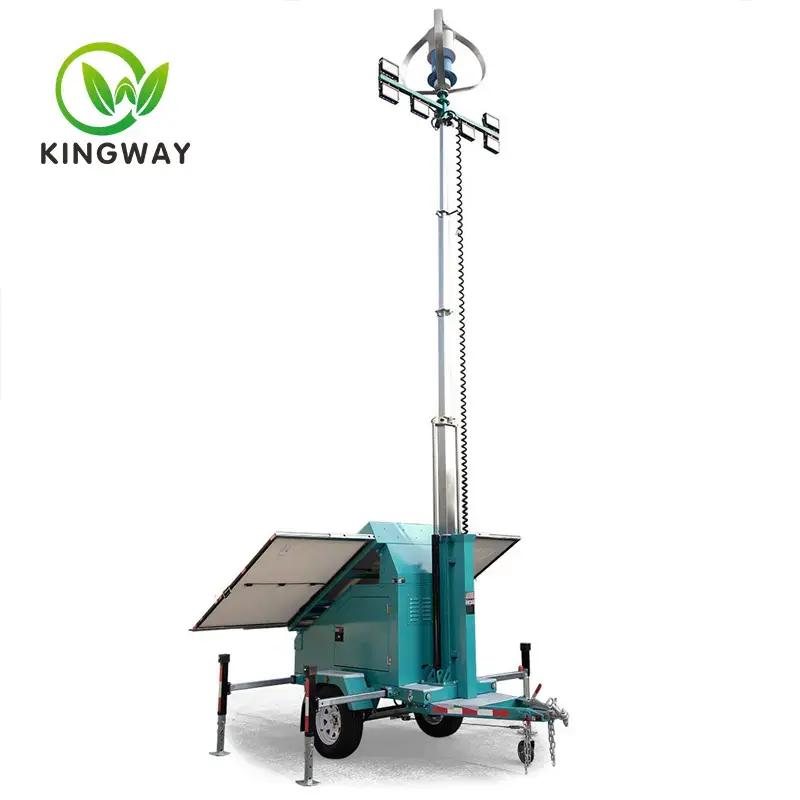
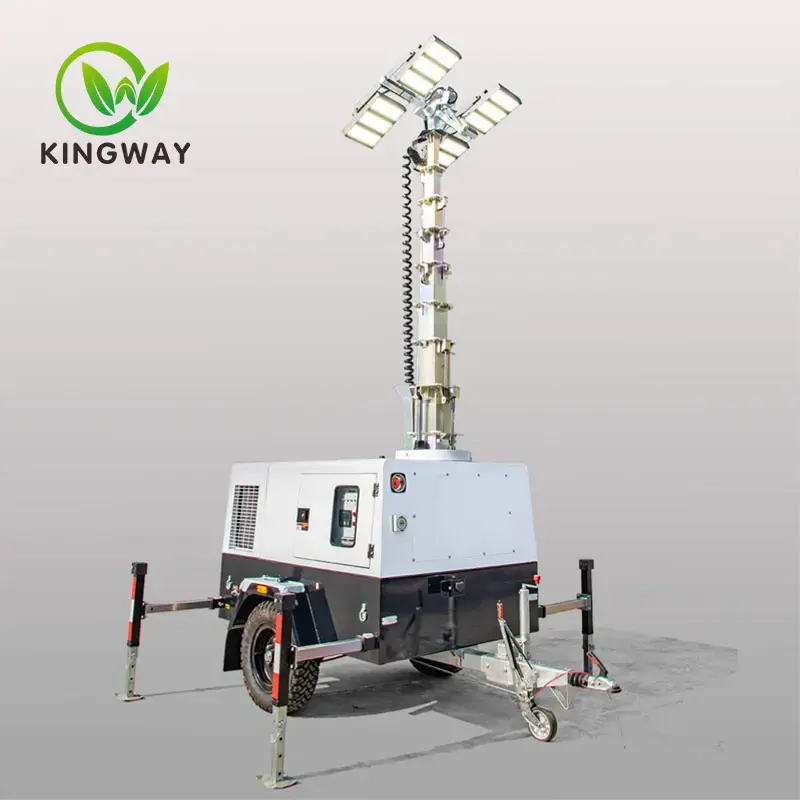
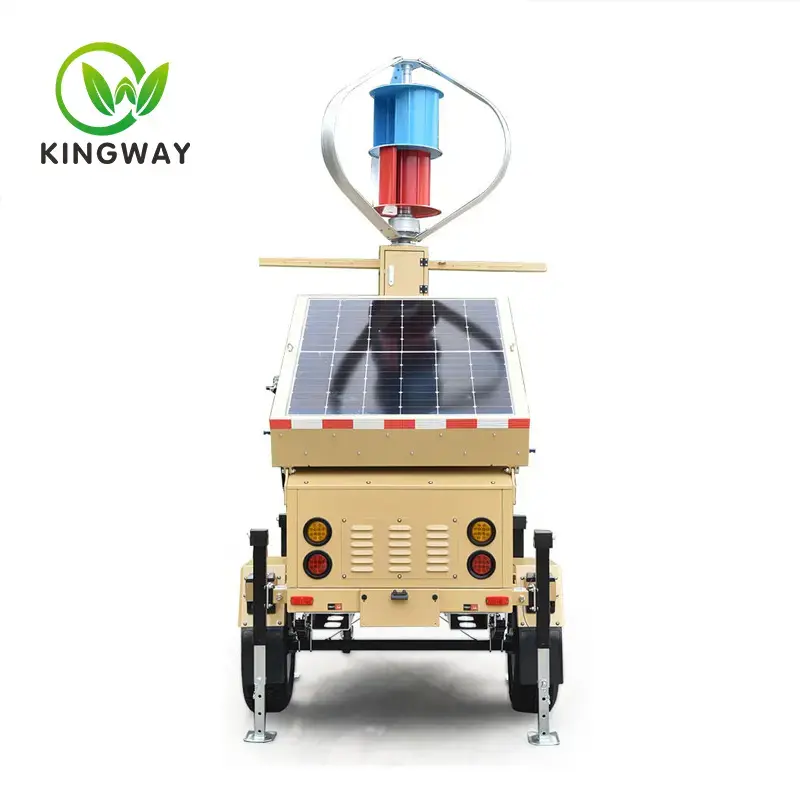
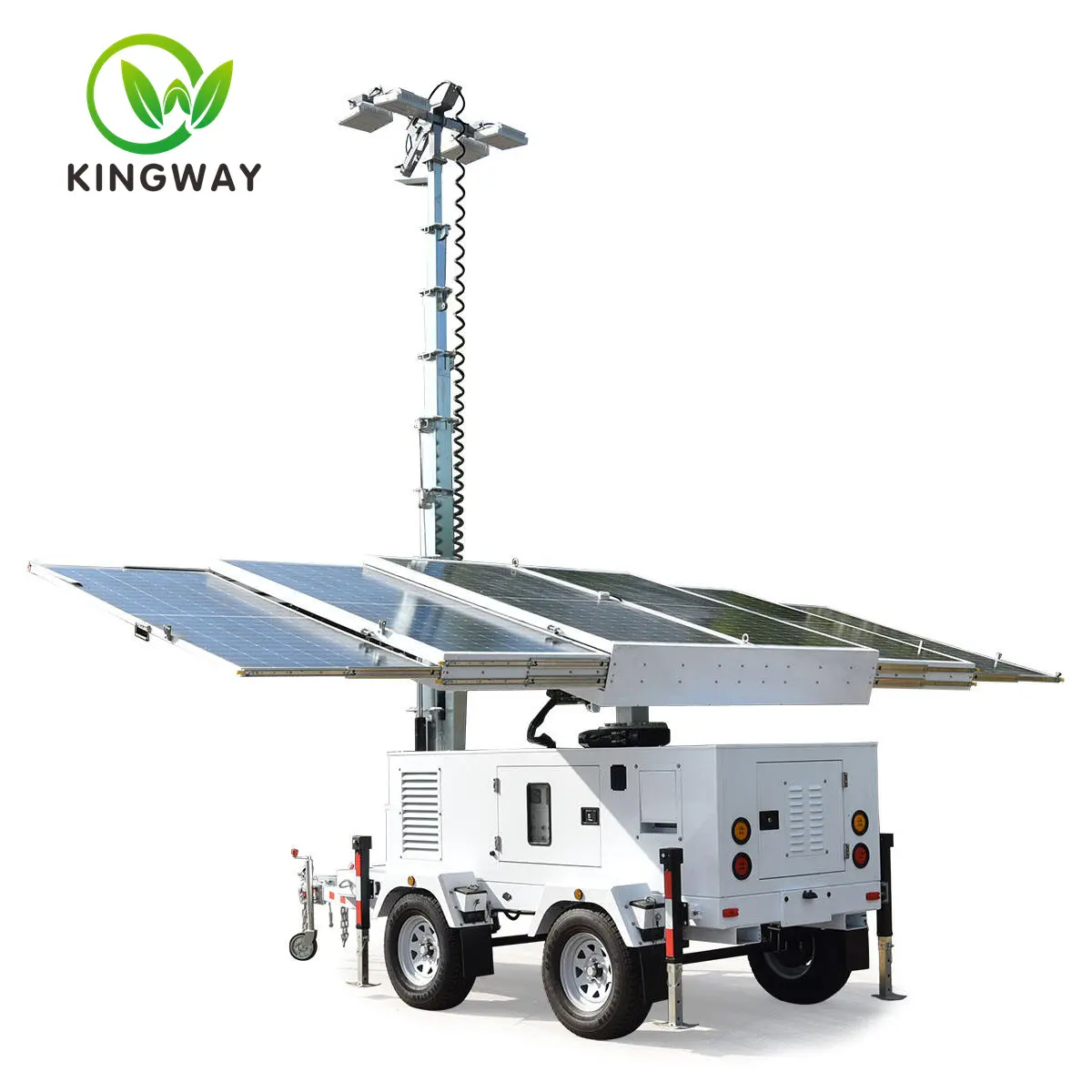
Addressing the complex natural environment and usage requirements of Africa, these 16 solar-powered lighting lighthouses underwent comprehensive customized upgrades, completely overcoming the compatibility challenges of "general-purpose products." In the core energy conversion stage, we adopted monocrystalline silicon solar panels with a conversion efficiency of over 23%, maintaining efficient energy collection even under cloudy weather in Mombasa, Kenya, or sandstorms in South African mining areas, increasing power generation by 30% compared to traditional photovoltaic panels.
The energy storage system design further addresses key pain points. Considering the potential for continuous rainy weather in parts of Africa, the lighthouse is equipped with a high-capacity lithium iron phosphate battery pack, supporting 100,000 charge-discharge cycles and providing continuous illumination for over 72 hours in complete darkness. The battery compartment features a double-sealed dustproof structure, and a smart heat dissipation module has been added specifically for the high-temperature environment of the African desert, ensuring stable operation even at extreme temperatures of 60°C. This technology has been proven in practice in a 70-kilometer main road project in Zambia.
In terms of intelligent control, the lighthouse integrates light-sensing on/off and remote monitoring functions. Local management personnel can adjust lighting brightness and check battery status via their mobile phones without on-site operation, improving fault response efficiency by 60%. Addressing the grid fluctuation issues in some parts of Africa, the lighthouse also features an emergency power supply interface, providing temporary power support for small medical equipment and communication devices in emergencies. This additional function was developed based on feedback from actual needs at rural medical points in Nigeria.
III. Production Assurance: Full-Process Control to Safeguard Quality
"Every product shipped to Africa must withstand the test of time." This was the core principle established by the production team at the project launch meeting. From the initial component procurement stage, all solar panels and Battery Packs undergo authoritative third-party testing. The batteries' high-temperature resistance and corrosion resistance are tested for 500 hours, far exceeding industry standards, to ensure they meet the characteristics of Africa's tropical climate.
In the production and assembly process, we implemented a "three-inspection system": a first circuit performance test is conducted after component pre-assembly; a second light simulation test is performed after the entire tower is assembled; and a 72-hour continuous operation test is conducted before shipment. For the mining-specific lighthouses in this order, an additional wind load test was added—simulating a Force 12 wind environment in the South African savanna to ensure no deformation of the main structure and no deviation in the lighting angle. Production data shows that the core components of this batch of lighthouses achieved a 100% pass rate, with an overall failure rate controlled below 0.3%, far lower than the failure level of traditional lighting equipment.
It is worth mentioning that we place special emphasis on environmental protection during the production process. All lighthouse metal supports are made of recyclable steel, and the surface coating uses lead-free environmentally friendly paint, complying with the environmental policies of some African countries and echoing the global trend of green energy development. This attention to detail is key to winning the long-term trust of our customers.
IV. Departure Moment: A Bright Journey Carrying Expectations
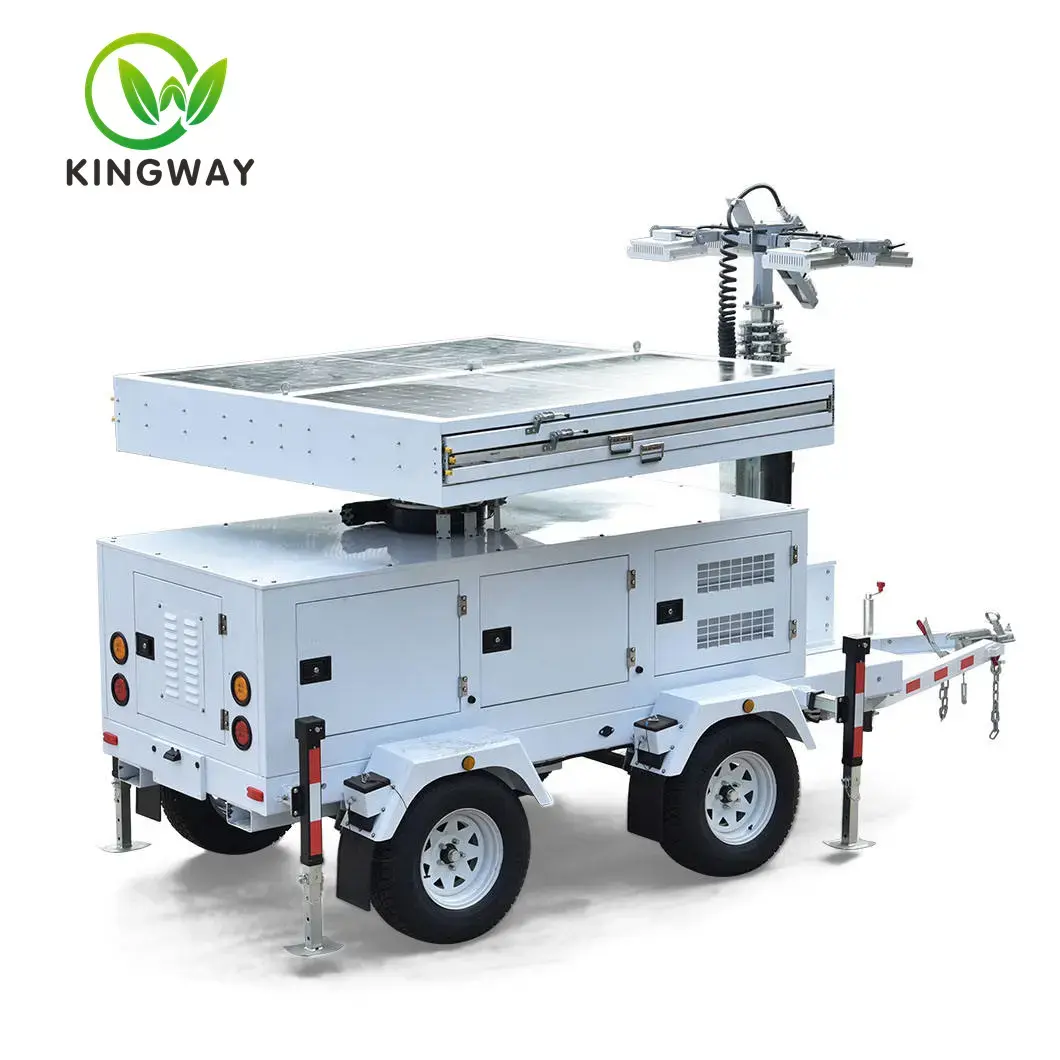
In the port's morning light, 16 solar-powered lighting towers were steadily hoisted onto a container ship. Each unit was wrapped in scratch-resistant and durable packaging, with cushioning layers added to critical areas to withstand the turbulence and moisture of the long sea voyage. The ship will sail via the Cape of Good Hope to Durban, South Africa, and then be distributed to various destinations by land transport. The entire journey will be tracked in real-time through a logistics tracking system, ensuring customers can monitor the status of their goods at any time.
"These lighthouses illuminate not only the roads at night, but also the sense of security and hope for development in the community," a customer representative expressed in a video conference. This expectation has already been seen in Swakopmund, Namibia—after the deployment of solar Lighting Towers there, single mother Masha finally dared to let her children go out at night, and small business owner David extended his business hours thanks to the lights. For the 16 lighthouses shipped this time, such changes will soon take place across more African lands: night shift workers in South African mines will have a safer working environment, students in rural Nigeria can study peacefully at night, and markets in Kenyan communities will be more vibrant due to the extended hours of sunlight.
At the departure site, the technical team completed final data verification. Each lighthouse is equipped with a multilingual operation manual and a spare parts kit for vulnerable components. Subsequently, we will provide remote video guidance to local personnel to complete the installation and commissioning, ensuring that the lighthouses are operational within 72 hours of arrival, minimizing the delivery cycle.
V. Long-Term Value: From Lighting Equipment to Development Support
The delivery of the 16 solar-powered lighting lighthouses is not the end of our cooperation, but the beginning of long-term value-added services. Considering the technical maintenance conditions in some parts of Africa, we have established partnerships with local energy service companies, building an after-sales network covering key areas. Over the next five years, we will provide twice-yearly regular inspection services, using intelligent monitoring systems to provide early warnings of potential faults, reducing maintenance costs by more than 50%.
From a broader perspective, these solar lighting devices are contributing to the development of solar-energy storage microgrid systems in Africa. When the lighthouse's battery packs are overcharged during the day, they can transmit power to nearby home energy storage systems via a smart controller. Meanwhile, home energy storage provides emergency backup power to the lighthouse at night. This energy-sharing model has already improved energy efficiency by 40% in a pilot project in South Africa. As cooperation deepens, we plan to launch more customized solutions for different scenarios in Africa—designing portable lighting lighthouses for remote medical points in Rwanda and developing a smart, networked lighting system for Egypt's new administrative capital, allowing solar technology to better adapt to the diverse needs of Africa.