Top 10 Gas Generators for Reliable Power Solutions in Your Home?
In today's world, a reliable power source is essential. Many homes experience outages that disrupt daily life. A dependable gas generator can be a game-changer. These devices provide backup power during emergencies. They offer comfort and convenience when the grid fails.
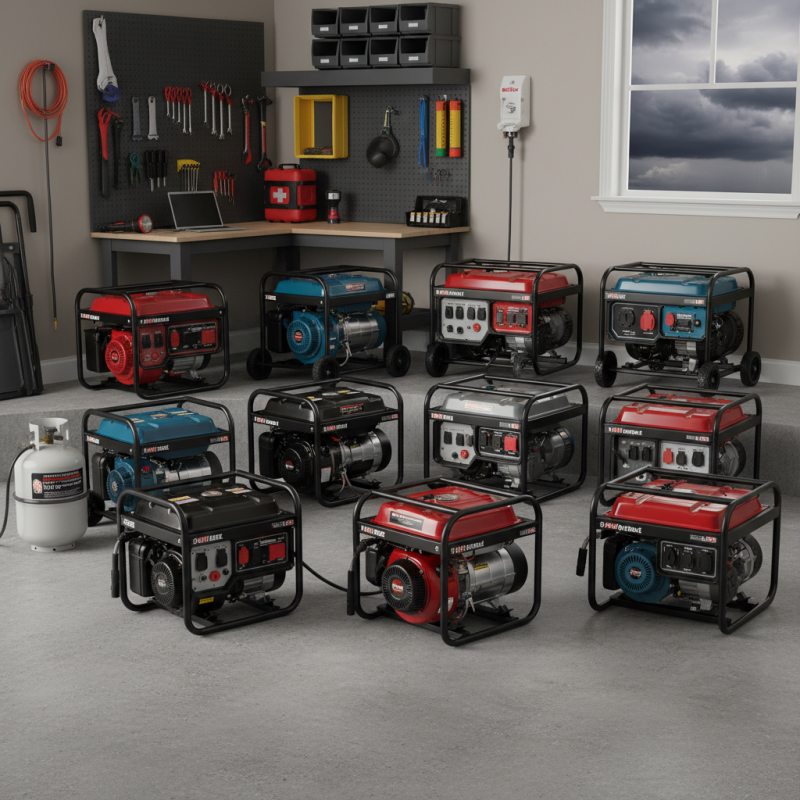
Gas generators come in various sizes and capabilities. Some are portable, perfect for camping trips. Others are stationary, ideal for home use. They run on natural gas or propane, making them efficient options. However, not all gas generators are created equal. It's crucial to choose one that fits your specific needs.
With so many options available, finding the right gas generator can be overwhelming. Features like fuel efficiency, noise level, and ease of use matter. Reflecting on your power needs helps in this decision. A gas generator is an investment in safety and security.
Types of Gas Generators for Home Use
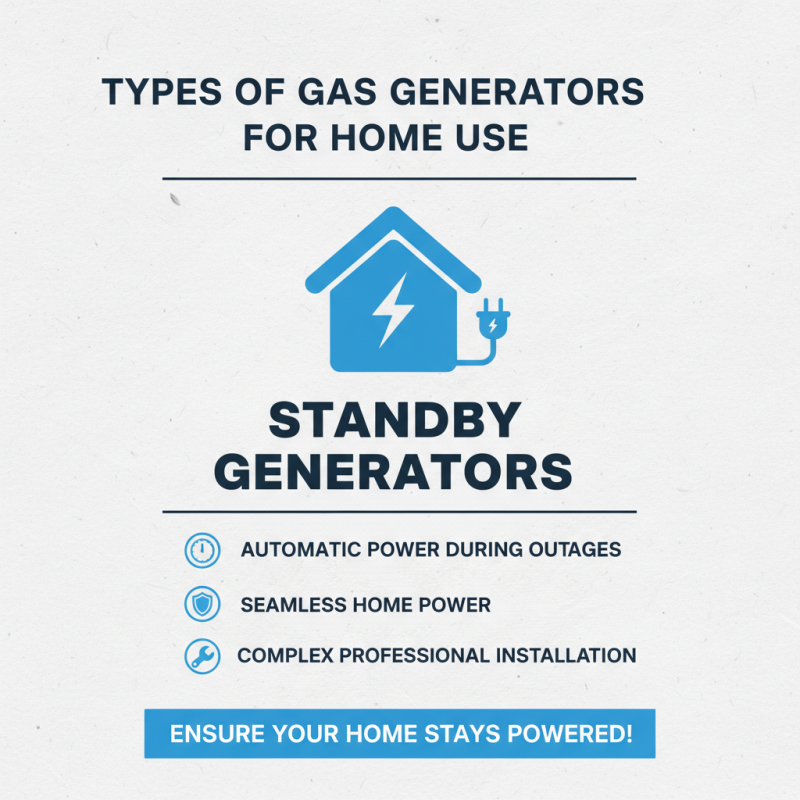
When considering gas generators for home use, there are a few types to explore. Standby generators offer a seamless solution. They kick in automatically during power outages. This ensures your home remains powered when needed the most. However, installation can be complex and often requires professional help. It’s not always clear if a standby generator is worth the investment.
Portable generators are another option. They offer flexibility and can be used in various situations. From camping trips to power outages, they are versatile. Yet, they often require manual setup and monitoring. Users may find it challenging to manage fuel levels and noise.
Inverter generators are popular for their efficiency and quiet operation. They produce clean energy, which is great for sensitive electronics. But, they might not generate enough power for larger appliances. It's crucial to weigh the pros and cons of each type. Consider your power needs and whether you'll use the generator frequently.
Key Features to Consider When Choosing a Gas Generator
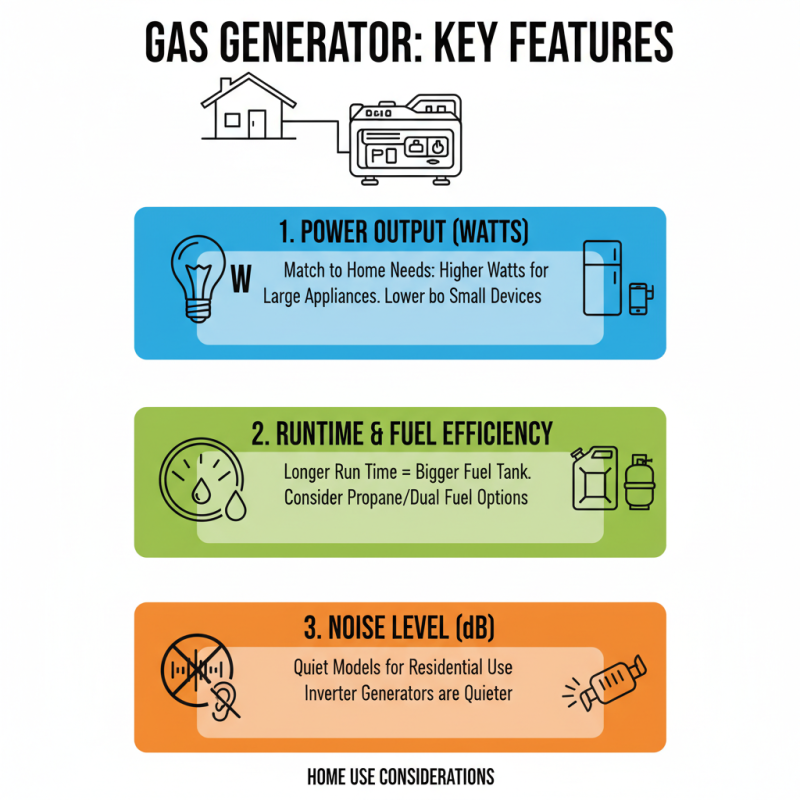
When choosing a gas generator for home use, several key features should be carefully evaluated. Start with power output. Look at how many watts you need. This will vary based on your home's requirements. If you have larger appliances, you’ll need a generator with a higher wattage. Smaller devices, however, may not require as much power.
Fuel efficiency is another crucial aspect. A generator that consumes less fuel will save you money in the long run. Check its runtime on a full tank. Imagine running out of gas during a storm; it's essential to have a generator that lasts. Weight and portability also matter. If you plan to move it around, a lighter option is preferable. Also, consider how easy it is to start. Electric starters can be a lifesaver, especially in harsh weather.
Noise levels can greatly impact your comfort. Some models are quieter than others. Think about your living environment. A loud generator can disrupt your peace. It’s also wise to factor in safety features. Overload protection, low oil shut-off, and carbon monoxide detectors can prevent potential hazards. Reflect on these elements to ensure you choose the right generator for your unique needs.
Top Brands and Models of Gas Generators Reviewed
When selecting a gas generator, you want reliability and efficiency. Many models cater to different needs. Some are quiet, while others pack a punch in power output. It's essential to assess your home's energy requirements. Consider how many appliances you want to run. This will help you choose a suitable power output.
A crucial feature to look for is portability. Some generators come with wheels, making them easier to move around. Lightweight options can be beneficial during outages. Always check the fuel consumption rate too. Efficient models save you money in the long run.
Tip: Keep your workspace tidy. An organized area makes the generator easier to use. Prepare your environment for quick access when you need it.
Remember,
maintenance is key. Regular checks can prevent unexpected breakdowns. Cleaning the air filter often enhances performance. Small steps lead to a more reliable generator.
Tip: Store fuel safely. Proper storage reduces the risk of accidents. Follow guidelines to keep everything secure.
Make thoughtful decisions based on your needs. Each model has its
strengths and
weaknesses. Take the time to research and find the best fit for your home.
Safety Measures and Best Practices for Using Gas Generators
When using gas generators, safety should always be your top priority. Generators produce carbon monoxide, which is dangerous. Ensure proper ventilation when operating a generator indoors, but it is best to use it outdoors, at least 20 feet from your home. Never run a generator in a basement or garage. Regularly check for leaks or damages to the fuel lines.
Tips: Always keep a CO detector near the generator. Check the battery regularly. Install it in a way that alerts you promptly. Caution is key, even during simple tasks.
Another crucial safety measure is grounding your generator. A grounding rod can prevent electrical shock and protect your appliances. Ensure the generator is turned off before connecting it to your home electrical system. Use heavy-duty extension cords rated for outdoor use. Avoid overloading the generator with too many appliances.
Tips: Store fuel safely in approved containers. Keep it away from heat or sparks. Regular maintenance can reduce risks. Regular oil changes and clean air filters are essential for optimal performance. Take these measures seriously for a safer experience.
Top 10 Gas Generators Power Output Comparison
Maintenance Tips for Ensuring Generator Reliability and Longevity
Regular maintenance is crucial for ensuring the reliability and longevity of gas generators. According to a report by the Electric Power Research Institute, neglecting routine care can reduce a generator's lifespan by up to 50%. Owners should check oil levels, air filters, and spark plugs regularly. Clean filters and fresh oil contribute significantly to optimal performance. It's essential to keep a maintenance log. This helps track service dates and tasks performed.
Many users overlook the importance of battery care. A weak battery can hinder startup, especially in colder climates. A study by the National Fire Protection Association reveals that 30% of generator failures stem from battery issues. Additionally, using the generator under load for at least 30 minutes every month helps keep the engine parts lubricated. Ensure that the generator is operated in a well-ventilated area to prevent overheating.
Ignoring these tips may lead to costly repairs. Unexpected breakdowns not only disrupt power supply but can also lead to safety hazards. Regular inspection can prevent such scenarios and provide peace of mind. Proper maintenance is not just about fixing issues; it’s about preventing them. Being proactive is the best strategy for generator ownership.