Leave Your Message

7 Tips for Choosing a Light Tower Diesel Generator

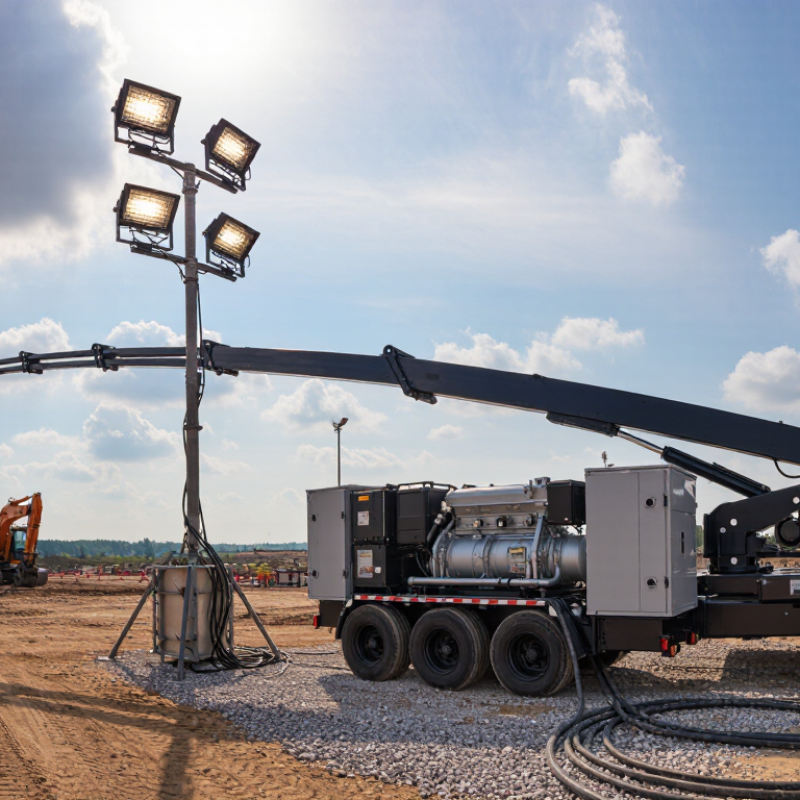
Choosing the right Light Tower Diesel Generator can shape an entire worksite’s safety, productivity, and operating cost. A poorly matched unit may leave dark corners, waste fuel, or struggle during peak demand. On construction sites, road projects, and emergency repairs, small details matter. Mast height, lamp coverage, fuel capacity, and generator output must work together.

This guide presents seven practical tips for making a more confident choice. It considers real operating conditions, not only brochure figures. Site technicians usually check the expected electrical load, ground conditions, weather exposure, and daily runtime before recommending a model. They also review noise limits, service access, towing stability, and control-panel visibility. A reliable Light Tower Diesel Generator should start consistently, illuminate a broad area, and support safe maintenance in difficult conditions.

Look beyond the purchase price.

Fuel consumption can quickly change the total ownership cost. A durable engine may also reduce downtime when replacement parts are available locally. However, no checklist can replace a proper site assessment. Even experienced buyers can underestimate wind, uneven terrain, or simultaneous equipment loads. That mistake is worth examining before signing an order. Certified technicians, manufacturer specifications, and documented testing provide stronger evidence than attractive marketing claims. These seven tips will help compare practical performance, safety features, service support, and long-term value with greater clarity. There is no perfect unit. The best choice is the one that fits the worksite honestly.
7 Tips for Choosing a Light Tower Diesel Generator

Define Lighting, Power, and Site Requirements

7 Tips for Choosing a Light Tower Diesel Generator

Define Lighting, Power, and Site Requirements

Start with the work area, not the generator size. Measure the required lighting zone, access routes, shadows, and mounting height. The U.S. Department of Energy reports that LED lighting can use at least 75% less energy than incandescent lighting. This can reduce generator loading and fuel demand. However, lumen ratings alone can mislead. Dust, rain, and uneven ground reduce useful illumination. Specify target lux levels for each task.

List every electrical load beside the lights. Include pumps, battery chargers, tools, and temporary heating equipment. Record running watts and starting watts separately. Motors may draw several times their normal current during startup. A practical design leaves 20% to 25% spare capacity. That margin supports cold starts and future tools. It may also prevent unstable voltage.

Site conditions change the calculation. The U.S. Energy Information Administration notes that diesel fuel contains about 137,000 Btu per gallon, but actual consumption depends on load and temperature. Estimate runtime using the expected average load, not the nameplate rating. Check tank capacity, refueling access, noise limits, and exhaust direction. Keep the unit level. Keep cables short and protected from vehicle routes. I have seen perfect load calculations fail because the tower stood behind stacked materials. Small details matter. My checklist is useful, but it is not infallible. Recheck lighting after sunset, when glare and dark corners become obvious.

Compare Diesel Engine Performance and Fuel Efficiency

7 Tips for Choosing a Light Tower Diesel Generator

Compare Diesel Engine Performance and Fuel Efficiency

Choosing a light tower diesel generator starts with the engine, not the paint or tower height. Match its rated output to your actual lighting load, including starting current and cold-weather demand. An oversized engine may run lightly loaded, wasting fuel and increasing carbon deposits. An undersized unit can overheat during an eight-hour night shift. Measure the load.

Compare fuel consumption at 50%, 75%, and 100% load. A single maximum-load figure tells only part of the story. Look for verified test data, then ask how altitude, temperature, and auxiliary outlets affect the result. At a dusty construction site, a clogged air filter can raise fuel use before the operator notices weaker light. Small details matter.

Engine torque also deserves attention. Strong low-speed torque helps the generator handle changing loads without hunting or sudden smoke. Check the operating speed, cooling system, oil capacity, and service intervals. Easy access to filters reduces neglected maintenance. Keep a simple fuel log for every shift. It exposes real performance better than a brochure. A perfect fuel figure is rarely real. I would not trust unusually low claims without test conditions. Consider tank capacity too: a generator burning less fuel may still need frequent refilling if its tank is small. Reliable selection comes from comparing useful output, steady engine behavior, and measured fuel use under conditions close to your worksite.

Evaluate Mast Height, Lamp Type, and Illumination Coverage

7 Tips for Choosing a Light Tower Diesel Generator

Mast height directly affects usable illumination, not just visibility. A taller mast spreads light across a larger work area, but wind can reduce stability. On compact construction sites, an adjustable mast around 6 to 9 meters often provides practical coverage. Measure the work zone before choosing equipment. I have seen crews select tall towers and still leave dark corners near storage containers. Height alone is not enough.

Lamp type changes both brightness and operating behavior. LED lamps start instantly, use less generator power, and usually tolerate frequent repositioning. Metal halide lamps can produce strong, familiar light, but they require warm-up time and may demand more maintenance. Check the actual lumen output, beam angle, and color temperature. A narrow beam may illuminate a trench well but create harsh shadows beside it. That matters.

Coverage should match the task, not the brochure diagram. Mark the area with cones, then inspect illumination from ground level. Look for glare near drivers, uneven light across walkways, and shadows behind machinery. I prefer overlapping light zones instead of pushing one tower too hard. It costs more space, sometimes more fuel. Still, safer visibility is worth the trade-off. One earlier assessment missed a dark access path because I measured only the central work area. Recheck at night.

Check Mobility, Durability, Noise, and Safety Features

Choosing a Light Tower Diesel Generator

A light tower should move easily across gravel, mud, and unfinished floors. Check wheel size, towing stability, lifting points, and secure wheel locks. Compact machines are convenient, but very small frames may become unstable in strong wind. I once underestimated this during a night repair job. The generator moved less easily than expected. Test mobility before purchase, not only in a showroom.

Durability matters when equipment works outdoors for long hours. Inspect the frame, mast, hinges, cables, and weather-resistant enclosure. Look for protected fuel lines and simple access to filters and batteries. A clear service panel can save hours during maintenance. Check the lamp adjustment range and mast locking system. These details often reveal better engineering. Still, no machine is maintenance-free. That assumption causes trouble.

Noise can affect workers and nearby residents, so compare sound ratings at the same distance. Ask whether the rating applies during normal load, not only idle operation. Select controls with clear displays, emergency stops, overload protection, and low-fuel warnings. Confirm guards protect hot surfaces and moving parts. Grounding instructions should be easy to understand. Test the lights, brakes, alarms, and shutdown system before regular use. One final check is often skipped: inspect the manual and service schedule. That small omission can shorten equipment life.

7 Tips for Choosing a Light Tower Diesel Generator - Check Mobility, Durability, Noise, and Safety Features

Tip Selection Dimension Key Data to Check Practical Reference Range Why It Matters How to Verify
1 Mobility and Transport Towing weight, trailer dimensions, wheel configuration, ground clearance, lifting points, and towing speed rating. Choose a unit that matches the site vehicle and local road regulations. A ground clearance of approximately 180–300 mm is commonly useful for uneven construction surfaces. A compact, stable chassis reduces transport difficulty and helps the generator reach remote or uneven work areas. Check the specification plate, axle rating, tire markings, brake system, hitch type, and load distribution.
2 Lighting Performance Lamp technology, total lighting output, mast height, beam coverage, adjustable lamp angles, and glare control. LED systems commonly provide longer service life than metal-halide lamps. A mast height of about 7–10 m is suitable for many general outdoor work areas. Adequate height and coverage improve visibility while reducing dark zones and the number of towers required. Request the rated light output, lighting layout, lamp life data, and an actual nighttime illumination test.
3 Diesel Generator Capacity Prime power, standby power, fuel consumption, voltage, frequency, phase configuration, and available outlets. Select continuous power with at least a 10–20% reserve above the expected lighting and auxiliary load. Common site units operate at 50 or 60 Hz, depending on the local electrical system. Sufficient reserve capacity helps prevent overload, unstable voltage, excessive fuel use, and premature engine wear. Add the rated wattage of all connected equipment and compare it with the generator's continuous, not only standby, rating.
4 Fuel Economy and Runtime Fuel-tank capacity, fuel consumption at different loads, automatic shutdown level, and operating hours per tank. Runtime depends on load and tank size. For overnight work, target at least 8–12 hours of operation at the expected average load when practical. Longer runtime reduces refueling interruptions, labor costs, and the risk of leaving equipment unattended during operation. Calculate runtime using: Tank capacity ÷ fuel consumption per hour. Confirm whether the rating is at 50%, 75%, or 100% load.
5 Durability and Weather Protection Enclosure material, corrosion protection, ingress protection, wind stability, operating temperature range, and service access. For outdoor use, look for a weather-resistant enclosure and an appropriate IP rating. IP 23 or higher offers basic protection against solid objects and spraying water; site requirements may call for more. Strong protection helps prevent corrosion, water-related faults, dust contamination, and structural damage in demanding environments. Inspect welds, hinges, seals, drain points, emergency access, grounding points, and the enclosure's documented protection rating.
6 Noise and Emissions Sound pressure level, measurement distance, engine speed, exhaust treatment, fuel type, and compliance with local regulations. Many enclosed diesel light towers are specified around 65–75 dB(A) at 7 m, but the measurement method and operating load must be confirmed. Lower noise is important near homes, hospitals, offices, public events, and night-shift work areas. Ask for the test standard, measurement distance, load condition, and emissions documentation. Do not compare dB values measured under different conditions.
7 Safety and Service Features Emergency stop, overload protection, earth leakage protection, low-fuel shutdown, automatic mast lock, stability controls, and maintenance access. Prefer units with clearly labeled controls, circuit protection, grounding provisions, spill containment, guarded moving parts, and automatic shutdown for critical faults. Integrated safeguards reduce the risk of electric shock, fire, mast movement, fuel spills, and engine damage. Review the operator manual, safety labels, inspection records, emergency-stop operation, grounding method, and scheduled maintenance intervals.

Note: Performance figures are general selection references. Actual requirements vary with local regulations, weather, terrain, lighting layout, connected loads, and the manufacturer's tested operating conditions.

Assess Maintenance Needs, Compliance, and Total Ownership Cost

A light tower diesel generator must work reliably in dark, noisy, and uneven conditions. Maintenance needs should influence the purchase before engine size does. Check access to filters, belts, coolant, and battery terminals. A technician should reach these parts without removing half the enclosure. Small details matter.

Maintenance tip: Ask for a service schedule based on operating hours. Confirm how often the fuel system, mast, lights, and emergency stop require inspection. Look for sealed connectors, strong lifting points, and clear diagnostic indicators. In real projects, neglected fuel can create more downtime than engine wear. I have seen clean machines fail after sitting for weeks. Storage planning is easy to overlook.

Compliance tip: Verify noise limits, exhaust requirements, electrical protection, and site lighting rules before purchase. Requirements may vary between cities, construction zones, and temporary events. Request current test records and operating instructions from the supplier. Do not rely on verbal assurances. Paperwork can protect a project, but only when it matches the actual machine.

Ownership cost includes fuel, scheduled service, transport, training, repairs, and lost working hours. Compare fuel consumption under realistic loads, not only laboratory figures. A cheaper unit may need frequent lamp replacement or specialist servicing. Ask about parts availability and technician response times. Also calculate idle hours. They quietly consume money. A simple twelve-month cost sheet often reveals weaknesses, although estimates will never be perfect. That is worth admitting.