Top Mobile Air Compressor Tips for Global Buyers?
The demand for Mobile Air Compressors is on the rise, fueled by the expanding construction and automotive sectors. According to a recent report from Markets and Markets, the global air compressor market is projected to reach $39.1 billion by 2026, with mobile air compressors playing a significant role in this growth. These compressors offer versatility and portability, making them essential tools for various applications.
However, purchasing a mobile air compressor can be complex. Buyers must navigate a multitude of options, specifications, and brands. It's crucial to consider factors such as power output, tank size, and efficiency ratings. A study by Research and Markets highlights that over 60% of manufacturers prioritize energy efficiency in their compressor design. Yet, some consumers often overlook this aspect, focusing solely on price.
Understanding these nuances can help buyers make informed decisions. While mobile air compressors offer significant benefits, buyers should also reflect on their specific needs and application scenarios. This awareness can lead to better purchasing choices and overall satisfaction with the equipment.
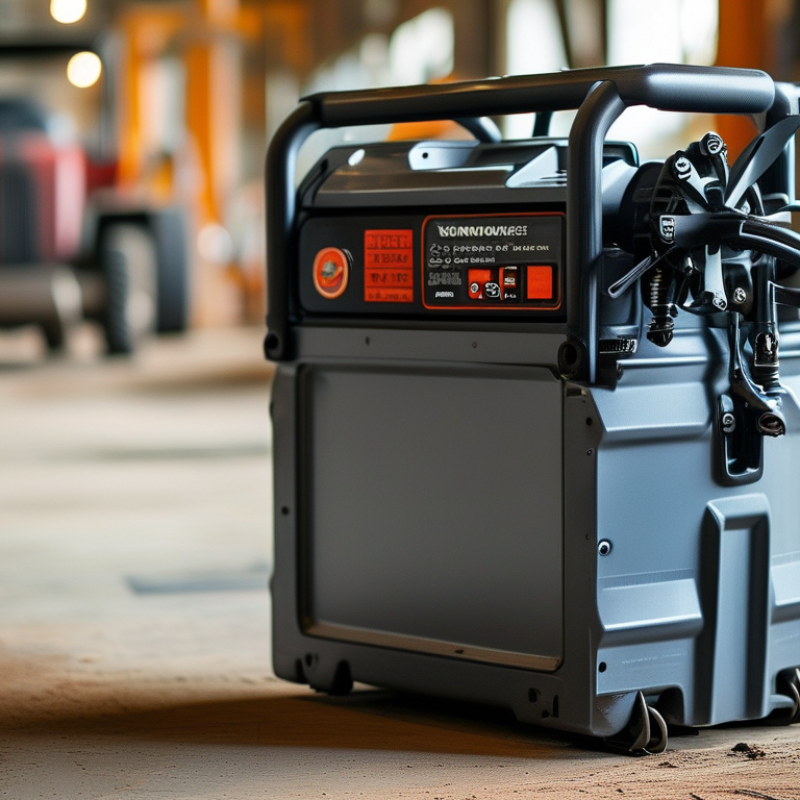
Essential Features to Consider When Choosing a Mobile Air Compressor
Choosing a mobile air compressor requires understanding several essential features. Consider the pressure rating. Most tasks demand at least 90 PSI. However, some applications need higher pressure settings. Understand the requirements of your tools.
Portability is another crucial feature. A lighter unit with sturdy wheels simplifies transport. Consider the compressor's size relative to your workspace. A compact model may be ideal for tight areas, while larger units suit open spaces.
Noise levels also deserve attention. Some compressors operate quietly, while others can be quite loud. If you work in noise-sensitive areas, check decibel ratings. Look for options with soundproofing to minimize disruptions.
Tips for usage include checking oil levels regularly if using oil-lubricated models. Maintain a clean environment around the unit. Regular inspections can prolong the lifespan of the compressor. Always use it within recommended limits to avoid performance issues.
Understanding Different Types of Mobile Air Compressors on the Market
Mobile air compressors come in various types, and understanding these options is crucial for global buyers. Portable compressors are popular for their versatility. They are lightweight and can easily be transported for a range of applications. Many users appreciate their ease of use for tasks like inflating tires or operating pneumatic tools. However, portability can compromise power and tank size, which might not suffice for heavy-duty tasks.
Stationary air compressors are another option, designed for industrial settings. They are typically more powerful and have larger air tanks. This capability allows them to run for extended periods, meeting the demands of extensive projects. Yet, their fixed nature limits mobility. Users must assess their needs carefully. Choosing the right compressor involves trade-offs between power, size, and portability.
Hybrid compressors blend features from both categories. They offer mobility while maintaining a reasonable power output. However, complexities in operation can arise. Potential buyers should weigh these factors meticulously. Understanding the intricacies of different models can enhance decision-making, ensuring a purchase that truly meets specific requirements.
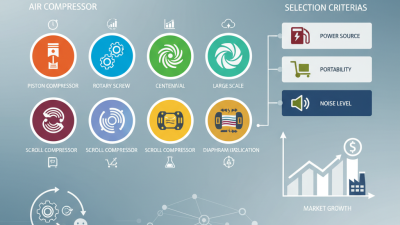
Top Mobile Air Compressor Types and Their Popularity
Key Performance Metrics for Evaluating Mobile Air Compressors
When evaluating mobile air compressors, several key performance metrics become crucial for buyers. One primary factor is the compressor's airflow rate, typically measured in CFM (cubic feet per minute). A higher CFM indicates greater efficiency, allowing for quicker operation in various applications. Buyers should consider their specific needs to determine the appropriate CFM for their projects.
Another significant metric is the pressure rating, commonly stated in PSI (pounds per square inch). A compressor with higher PSI can power tools that require intense pressure levels. However, over-specification can lead to inefficiencies and increased operational costs. It's important to balance power needs with realistic expectations.
Durability and maintenance requirements are also vital. Mobile air compressors face tough environments, so robust construction is essential. Regular maintenance checks, though sometimes overlooked, can extend the lifespan of the compressor and optimize performance. Buyers should inquire about service history and ease of repairs, as these elements can affect long-term reliability. Understanding these metrics can empower global buyers in their purchasing decisions.
Tips for Maintaining Your Mobile Air Compressor for Longevity
Maintaining a mobile air compressor is crucial for ensuring its longevity and optimal performance. Regular maintenance tasks can prevent breakdowns and extend the life of your equipment. Check the oil levels often. Low oil can lead to overheating. Replace the oil as per your manufacturer's guidelines. This simple step can save you from costly repairs.
Cleaning or replacing the air filter is another key task. Dust and debris can significantly impair engine efficiency. Inspect the filter regularly, especially in dusty environments. A clean filter promotes better airflow and prolongs the compressor's life. Sometimes, it’s easy to overlook this detail, but neglecting it can cause serious issues.
Pay attention to the hoses and connections. Look for signs of wear or leaks. Even small leaks can affect performance and efficiency. Keep the compressor in a dry and clean environment, away from moisture and chemicals. This helps minimize wear and maintains reliability. Reflecting on these practices can enhance your understanding of compressor care, leading to informed choices in the future.
Top Mobile Air Compressor Tips for Global Buyers
| Tip Category |
Tip Description |
Frequency |
Importance Level |
| Regular Maintenance |
Inspect and replace oil regularly to ensure optimal performance. |
Every 100 hours of use |
High |
| Air Filter Cleaning |
Clean or replace air filters to maintain air quality and efficiency. |
Monthly |
Medium |
| Check for Leaks |
Inspect hoses and connections for any air leaks that could reduce efficiency. |
Weekly |
High |
| Storage Practice |
Store in a dry, cool place to prevent rust and corrosion. |
As needed |
High |
| Regular Checks |
Monitor operational sounds for abnormal noises indicating issues. |
Daily |
Medium |
Best Brands and Models of Mobile Air Compressors to Look For
When seeking the best mobile air compressors, it's essential to focus on brands and models known for reliability and performance. Look for products that have proven track records in various industries. Compressors that are portable and easy to maneuver provide added convenience. Key features to consider include power output and tank capacity. These factors significantly affect performance in demanding environments.
Models equipped with oil-free pumps can reduce maintenance needs. This feature is particularly appealing for users who require quick and efficient service. Consider also the weight and size of the unit. A compact design can enhance portability without sacrificing performance. Alternatively, larger models may deliver higher pressure levels. Reflect on your specific needs before making a choice.
Analyzing customer reviews can offer valuable insights into the actual performance of different models. Look for consistent feedback regarding durability and user-friendliness. Some products may claim high efficiency but fail to meet expectations in real-world applications. Identifying these gaps is crucial for making an informed decision. Ultimately, assessing features and performance against user experiences will guide your selection process.