How to Maintain Lead Acid Batteries for Longevity?
Lead Acid Batteries are a crucial component in various industries. These batteries are widely used in automotive, backup power, and renewable energy applications. According to a recent report by Allied Market Research, the global lead-acid battery market is projected to reach $85.4 billion by 2027. The longevity of these batteries directly impacts operational efficiency and costs.
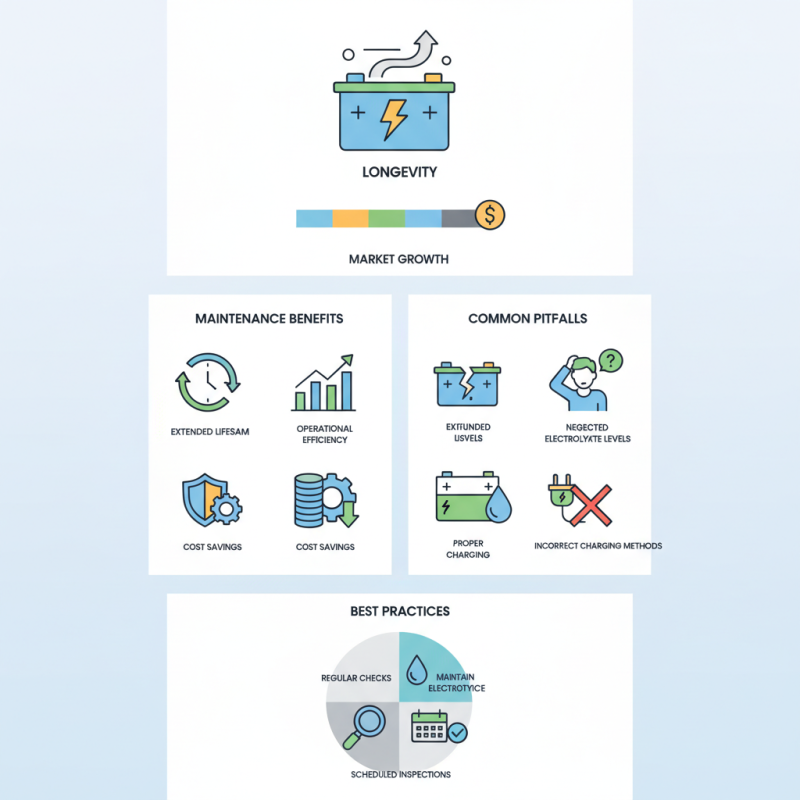
Maintaining Lead Acid Batteries is not just beneficial; it is necessary. Proper care can extend their lifespan beyond five years. However, many users overlook maintenance factors. For example, neglecting to check electrolyte levels often leads to reduced performance. A study from the International Energy Agency highlights that battery deterioration is frequently tied to inadequate maintenance practices.
Understanding the common pitfalls in battery care is important. While tips for maintaining Lead Acid Batteries are readily available, not all users implement them effectively. Regular checks and the right charging methods can make a difference. Reflecting on these practices can help users realize the importance of diligent battery maintenance for achieving longevity.
Best Practices for Charging Lead Acid Batteries to Extend Lifespan
Charging lead acid batteries properly is crucial for their longevity. Use a charger designed for your battery type. Ensure it has the correct voltage rating. Overcharging can generate excessive heat, damaging the battery.
Tips: Regularly check the water levels in flooded batteries. Low water can lead to sulfation. Maintain the electrolyte level just above the plates. This will help avoid damage and extend battery life.
Charge in a well-ventilated area. Lead acid batteries release hydrogen gas. This can be dangerous in confined spaces. Avoid charging in high temperatures, as it accelerates degradation.
Tips: Monitor your charging times. An automatic charger can help prevent overcharging. Yet, always double-check your settings. Be mindful of your battery's age. Older batteries require more care and less frequent charging.
By following these practices, you can significantly enhance the lifespan of your lead acid batteries.
Optimal Storage Conditions for Lead Acid Batteries: Temperature and Humidity
Storing lead acid batteries properly is crucial for their longevity. The ideal temperature range is between 15 to 25 degrees Celsius. At this range, the battery's performance is optimal. Higher temperatures accelerate the chemical reactions inside the battery. This can shorten its lifespan by up to 50%. On the contrary, freezing temperatures can lead to a loss of capacity.
Humidity also plays a significant role in storage conditions. The recommended humidity level is between 40% and 60%. Excess moisture can cause corrosion, affecting the battery's terminals and overall efficiency. Additionally, dry conditions can lead to sulfate crystallization, impairing the battery's ability to hold a charge. It’s a delicate balance; both high humidity and low humidity present risks.
Users often overlook these factors. They may store batteries in basements or garages without considering temperature fluctuations. Regular checks on both temperature and humidity can help prevent premature damage. Monitoring tools exist, but many do not use them. This negligence leads to unexpected battery failures in critical moments. Proper conditions are essential for maintaining battery integrity over time.
Routine Maintenance Checks: Importance of Electrolyte Levels and Cleanliness
Routine maintenance checks are crucial for lead-acid batteries. One key aspect is monitoring the electrolyte levels. The electrolyte consists of a mixture of
sulfuric acid and water. Over time, these levels can drop due to evaporation and usage. Therefore, checking them regularly is important.
It's simple to do. Open the battery caps and inspect the fluid levels. They should be above the plates. If they’re low, add distilled water. Remember, using tap water can introduce impurities. Cleanliness is equally vital. Dust, dirt, and corrosion can disrupt battery function. A damp cloth can effectively clean the terminals. Yet, it's essential to ensure no moisture gets inside the battery.
Neglecting these tasks can lead to problems. A build-up of corrosion may cause poor connections. Low electrolyte levels can damage the battery plates. Regular checks can prevent premature battery failure. Paying attention to these details will enhance battery longevity. It's a small effort for a significant gain.
Understanding the Cycle Life of Lead Acid Batteries: Factors Affecting Longevity
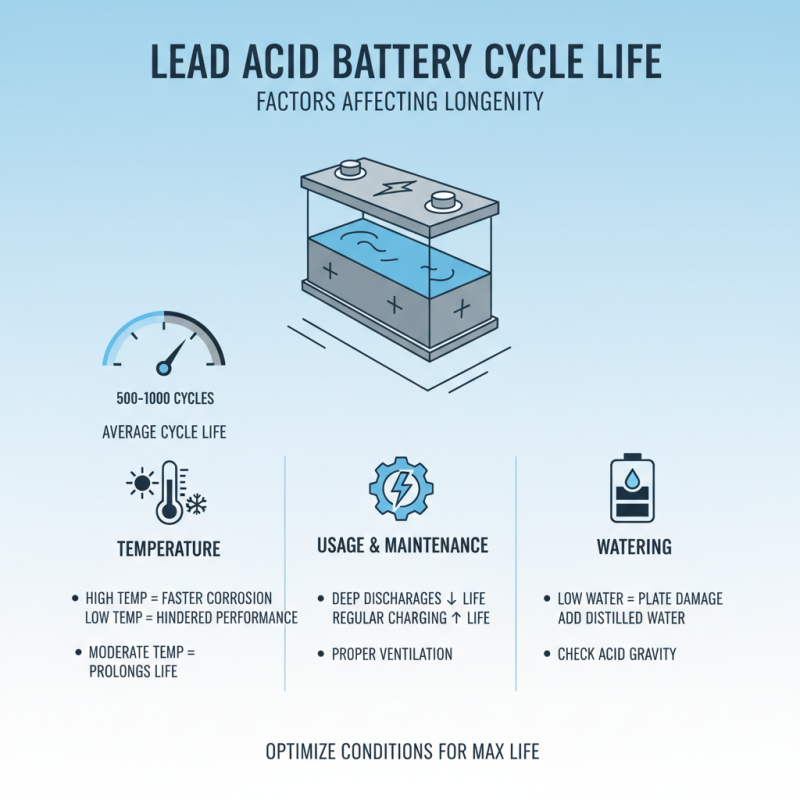
Lead acid batteries are essential in various applications, yet their cycle life can be affected by several factors. The average cycle life ranges from 500 to 1000 cycles, depending on usage and maintenance. Temperature plays a critical role. High temperatures can accelerate corrosion, while low temperatures can hinder performance. Maintaining a consistent, moderate temperature can help in prolonging battery life.
Tips: Keep batteries in a cool, dry place. Monitor temperature regularly.
Depth of discharge (DoD) is another vital aspect. A shallow DoD enhances longevity. Discharging a battery to only 50% capacity can effectively double its cycle life. Many users underestimate this factor, often leading to premature failure. Regularly checking charge levels can prevent deep discharges.
Tips: Implement a charging schedule. Avoid total discharges.
Vibration and physical stress also diminish longevity. Batteries in mobile or high-vibration environments suffer more wear. Securely mounting them can reduce stress and potential damage. Regular maintenance checks can reveal underlying issues.
Tips: Regularly inspect terminals and connections. Clean them to ensure optimal performance.
Disposal and Recycling Protocols for Expired Lead Acid Batteries
Disposal and recycling of expired lead acid batteries are critical for environmental health. These batteries contain harmful materials that can leach into soil and water if not handled properly. Proper disposal helps reduce these risks significantly.
Always check local regulations before discarding batteries. Many places have specific guidelines for battery disposal. Look for designated collection centers or recycling programs in your area. These programs ensure that batteries are recycled correctly. Instead of tossing them in the trash, take the time to find a recycling option.
Recycling leads to the recovery of valuable materials like lead and sulfuric acid. These materials can be reused, thus conserving resources. It's not just about disposing responsibly; it's about contributing to sustainability. Yet, many still struggle with the inconvenience of recycling. Raising awareness about proper protocols can help bridge this gap. Each individual action counts toward a healthier planet.
How to Maintain Lead Acid Batteries for Longevity? - Disposal and Recycling Protocols for Expired Lead Acid Batteries
| Maintenance Tips |
Frequency |
Disposal Protocols |
Recycling Steps |
| Check water levels and top off with distilled water |
Monthly |
Do not dispose in regular trash; check local regulations |
Contact local recycling center for drop-off locations |
| Clean terminals to prevent corrosion |
Every 6 months |
Label the battery for hazardous waste if required |
Ensure the battery is empty and placed in a safe container |
| Regularly check voltage and charge |
Weekly |
Use authorized disposal sites only |
Recycle at certified lead-acid battery recycling facilities |
| Store in a cool, dry place |
As needed |
Avoid incineration or landfilling |
Document recycling process for accountability |