2026 How to Choose the Best Diesel Light Tower for Your Needs?
In the world of construction and outdoor events, selecting the right Diesel Light Tower is crucial. As John Smith, a renowned expert in lighting solutions, states, "Choosing the best unit can significantly impact efficiency and safety." With many models available, understanding your specific needs can feel overwhelming. Each Diesel Light Tower offers unique features, and knowing the right fit is essential.
Factors such as brightness, fuel efficiency, and operating time greatly influence your decision. For example, some models provide better coverage for larger areas. However, not all towers are created equal. A poorly matched unit can lead to frustration and increased costs.
Taking the time to evaluate your requirements is invaluable. Do you need portability or extended run time? Reflecting on these details is key. The right Diesel Light Tower will enhance productivity and visibility for your projects. Making an informed choice goes beyond just picking a brand; it’s about understanding the specific advantages each model brings to the table.
Understanding Diesel Light Towers: Key Features and Benefits
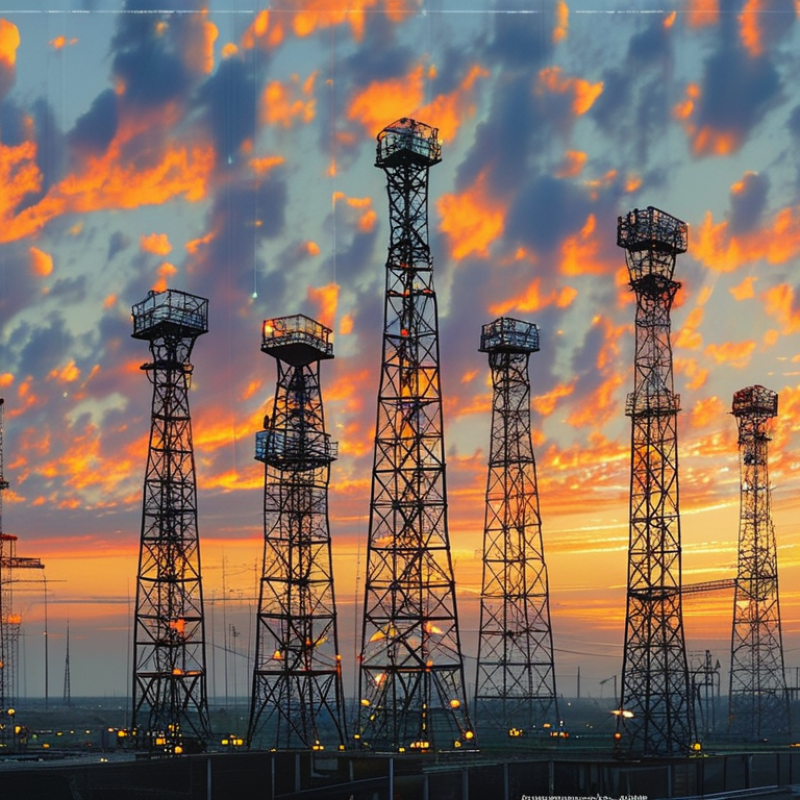
When selecting a diesel light tower, understanding key features is essential. Diesel light towers typically include options like high-intensity lamps, robust fuel tanks, and durable construction. For instance, models often provide illumination of up to 110,000 lumens. This feature is crucial for projects requiring extensive night-time visibility, such as construction sites or outdoor events.
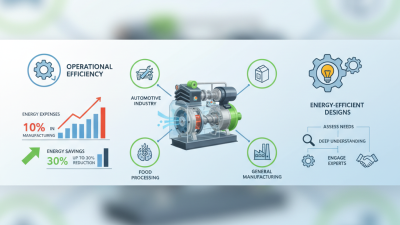
Consider the fuel efficiency of diesel engines. Many units run for over 60 hours on a single tank, reducing the need for frequent refueling. This not only saves time but also minimizes operational costs. According to industry reports, effective light towers can significantly reduce energy consumption, with some models boasting up to 30% savings compared to older technologies.
Portability is another key aspect. Many modern light towers come with trailer bases for easy transport. However, larger models can be cumbersome, which may complicate their deployment in tight spaces. Understanding these trade-offs allows users to select the right unit for specific scenarios. Additionally, maintenance requirements can vary. While some towers offer low upkeep needs, others may require frequent checks to ensure safety and efficiency. Balancing these factors is vital in making an informed decision.
Assessing Your Power Needs for Diesel Light Towers
When assessing your power needs for diesel light towers, start by evaluating the size of your work area. Consider how much illumination is necessary to ensure safety and efficiency. For larger sites, more light may be required. This often means using multiple towers to cover the entire space effectively. Think about the specific tasks being performed too. Some operations, like roadwork or construction, may require brighter light than others.
Next, consider the duration of use. Will the tower be running for short periods, or will it operate for many hours? A longer duration increases fuel consumption and maintenance needs. Reflect on how energy-efficient the equipment is. Diesel light towers vary in their fuel efficiency and runtime. This can impact overall operational costs. Always check if the light tower’s output matches your actual power requirements.
Pay attention to the level of noise produced as well. A quieter unit may be vital, especially in urban areas. Investigate features tailored to your needs. Some models come with adjustable heights or varying light outputs. In reflecting on these factors, you’ll better understand your requirements, which aids in making an informed decision.
Evaluating Portability and Setup of Diesel Light Towers
When selecting a diesel light tower, portability and setup are crucial factors. A compact design makes it easier to transport. Consider the weight and dimensions. If the tower is cumbersome, it may slow down your operations. Look for features like collapsible masts or integrated transport options. These can significantly enhance mobility on job sites.
Ease of setup is equally important. Some towers come with intuitive controls that simplify the deployment process. Assess how quickly you can set up the unit. A clumsy setup can lead to miscommunication among workers. It’s beneficial to practice setting up the light tower before the actual project. This way, you can identify potential challenges. Document your observations for future reference.
The location of the light source is essential. A high tower can ensure even illumination across a vast area. However, height can hinder stability. Reflect on your specific needs. Do you require bright lights in different terrains? Or will a lower tower suffice? Making these assessments can lead to better decision-making.
Exploring Fuel Efficiency and Runtime of Diesel Light Towers
When selecting a diesel light tower, fuel efficiency and runtime are crucial factors. Diesel light towers are designed for various applications, from construction sites to outdoor events. A model with high fuel efficiency ensures lower operating costs. Look for a unit that provides long runtimes without frequent refueling. This is especially important for extended use in remote locations.
Understanding the fuel consumption rate of different models helps in making informed decisions. For more efficient performance, consider towers with advanced engine technology. These engines not only consume less fuel but also emit fewer pollutants. You might find some units rated for 24 hours of continuous operation. Always verify the actual runtime under realistic conditions, as advertised figures may vary.
Insightful evaluations are necessary for optimum choice. Analyze user reviews and industry reports when assessing reliability. Pay attention to maintenance requirements and costs. Regular service can impact long-term performance and efficiency. Listen to feedback from experienced users to avoid misleading claims. It’s essential to evaluate your specific needs and make a choice that aligns with both budget and application demands.
Budget Considerations: Cost vs. Value in Diesel Light Towers
When selecting a diesel light tower, budget is crucial. It’s essential to balance cost and value. The initial price might seem tempting, but cheaper models often lack key features. Essential aspects include fuel efficiency, brightness, and runtime. A tower that uses less fuel can save money long-term, despite higher upfront costs.
Consider the specific needs of your projects. If you need consistent illumination for extended periods, investing in a reliable tower is wise. Reliability can reduce unexpected maintenance costs and downtime. It’s easy to overlook the total cost of ownership. This includes fuel, maintenance, and potential repairs.
Evaluating warranties and customer service is also important. A comprehensive warranty signals quality and confidence from the manufacturer. However, warranties don’t cover everything. Some users report hidden costs when repairs arise. Real reviews from reliable sources can provide insights beyond advertisements. Don’t focus solely on the lowest price. Aim for equipment that offers the best overall value in terms of performance and longevity.