What is a Gasoline Generator and How Does It Work?
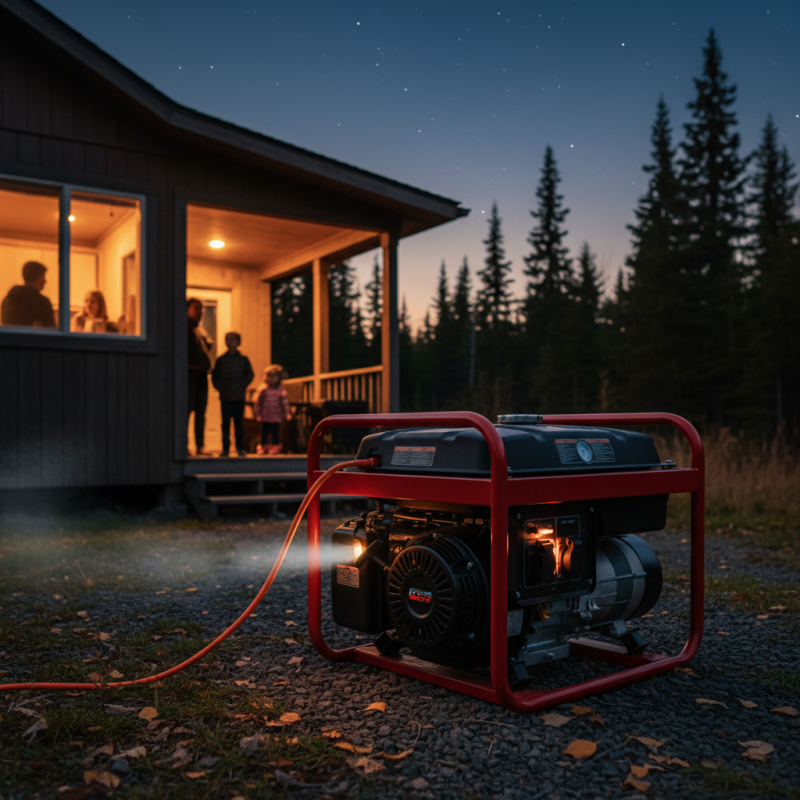
Gasoline Generators are essential devices for many industries and households. They provide a reliable power source during outages or in remote areas. According to John Smith, a leading expert in energy solutions, "Gasoline generators offer flexibility and portability that many find invaluable."
These machines convert gasoline into electrical energy. They use a simple process involving combustion and mechanical motion. Many users appreciate their ease of use, yet others find challenges in maintenance and safety. It's important to keep in mind the risks associated with using gasoline.
More people turn to Gasoline Generators for both convenience and necessity. However, understanding their operation is crucial. Misuse can lead to safety hazards, including fire or carbon monoxide poisoning. So, while they serve a great purpose, careful handling is essential.
Definition of a Gasoline Generator and Its Primary Uses
A gasoline generator is a portable power source that converts gasoline into electrical energy. These generators are widely used for various applications, from home backup power to construction sites. According to industry reports, the global gasoline generator market size was valued at over $2 billion in 2022. This figure highlights the growing dependence on such devices, especially in areas prone to power outages.
One primary use of gasoline generators is in residential settings. They provide electricity during emergencies, ensuring essential appliances run smoothly. In regions with frequent blackouts, homeowners increasingly rely on these units. A recent survey indicated that over 30% of households own a generator for this very reason. Additionally, in construction and outdoor events, gasoline generators play a crucial role. They power tools and equipment, enhancing productivity.
However, gasoline generators have limitations. They emit harmful pollutants and require regular maintenance. Users must monitor fuel levels and ensure proper ventilation during operation. These factors can complicate usage for some individuals. While the technology is convenient, environmental concerns are leading to discussions about alternative energy sources.
Key Components of a Gasoline Generator and Their Functions
A gasoline generator is a useful machine that converts gasoline into electrical energy. Understanding its key components is crucial for effective operation and maintenance. The main parts include the engine, alternator, fuel system, and control panel. The engine powers the generator, while the alternator converts mechanical energy into electrical energy. Together, they create power on demand.
The fuel system plays a significant role. It stores gasoline and delivers it to the engine. A report from the American Petroleum Institute states that gasoline has a specific energy content of about 33.6 kWh per gallon. This efficiency is vital for maximizing output. The control panel monitors the generator’s performance, displaying voltage and operational status.
Routine maintenance of these components is often neglected. Filters can clog, leading to reduced efficiency. Ignoring this can cause significant issues. In a survey conducted by the National Association of State Energy Officials, 30% of users reported generator failures due to lack of maintenance. Regular checks can help prevent such problems and extend the generator's lifespan.
How a Gasoline Generator Converts Fuel into Electricity
A gasoline generator is a practical solution for power generation. It uses gasoline as fuel to produce electricity. The process starts when fuel is fed into the engine. The engine then ignites the fuel, creating controlled explosions. These explosions push pistons in a reciprocating manner. This mechanical energy is crucial for electricity generation.
As the engine runs, it turns a rotor within a stator. This movement causes electromagnetic induction. The magnetic field interacts with coils of wire, generating electrical current. It's fascinating how chemistry and physics work together in this machine. However, the efficiency can vary based on fuel quality and engine condition.
Despite its usefulness, the gasoline generator is not perfect. It can be noisy and emits exhaust fumes. Users must consider its environmental impact. Regular maintenance is essential for optimal performance. That's often overlooked, leading to issues like reduced power output. Understanding these aspects can improve its efficiency and lifespan.
Safety Considerations When Using Gasoline Generators
Safety is crucial when using gasoline generators. These machines can produce carbon monoxide (CO), which is highly toxic. According to the Centers for Disease Control and Prevention (CDC), CO poisoning leads to about 400 deaths annually in the U.S. Ensure proper ventilation when operating generators outside. A safe distance is 20 feet from doors and windows. This helps keep harmful fumes away.
Proper storage of fuel is also vital. Gasoline can ignite easily and pose fire risks. Store fuel in proper containers, away from heat sources. The National Fire Protection Association (NFPA) recommends using containers labeled for gasoline. Use only approved storage practices to avoid accidents. Keep your generator in good condition. Regular maintenance prevents leaks and ensures safe operation. Always follow the manufacturer's guidelines.
Never oversize your power needs. Overloading a generator can cause failure and increase hazards. Understanding the load capacity helps in safe usage. Personal protective equipment, such as gloves and goggles, is also encouraged. These precautions are not just recommendations; they are necessary steps for safety. Ignoring them can lead to dire consequences.
Gasoline Generator Power Output Comparison
This bar chart illustrates the different power output levels of gasoline generators, ranging from 500 Watts to 5000 Watts. Understanding the power output is crucial for selecting the right generator for your needs.
Maintenance Tips for Optimal Performance of Gasoline Generators
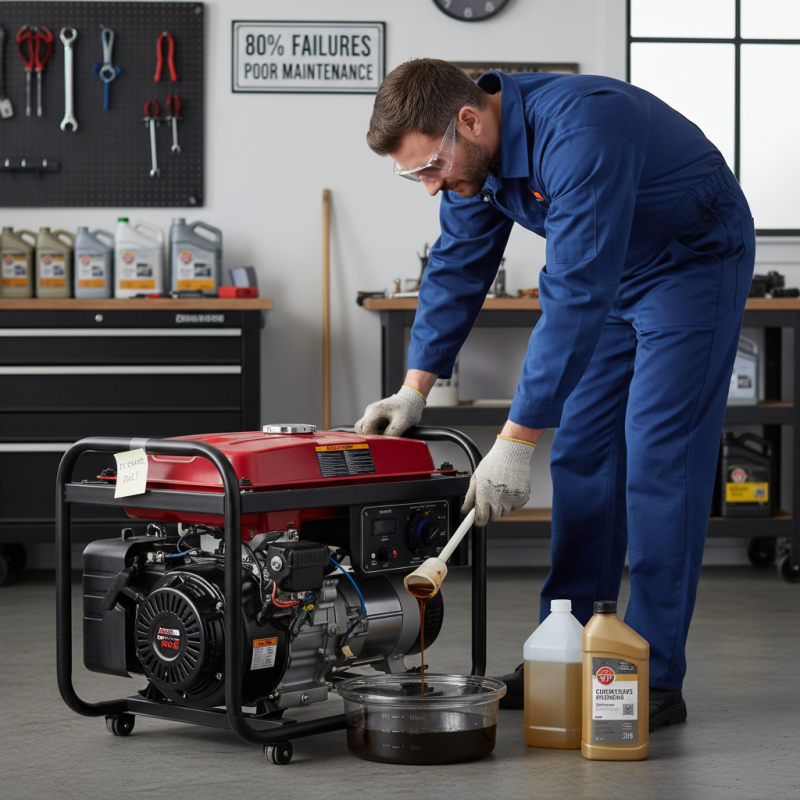
Gasoline generators are essential for power supply during outages or in remote locations. To keep them running smoothly, maintenance is crucial. According to industry reports, 80% of generator failures can be traced back to poor maintenance practices. Regularly checking and replacing the oil is vital. Old oil can lead to wear and engine damage. Aim to change the oil after every 50 hours of use, or at least once a year.
Another key area is the air filter. A clean air filter allows for better airflow, enhancing efficiency. However, a clogged filter can cause the engine to overheat or stall. It’s advisable to inspect the filter monthly, especially in dusty environments. Fuel quality also matters. Using stale gasoline can lead to engine issues. Keep the fuel fresh by using it within three months and adding a fuel stabilizer if storing for longer.
Inspecting the spark plug is often overlooked, but it’s crucial. A worn or dirty spark plug can hinder performance. Replace it annually or if the generator struggles to start. These steps may seem simple, yet many overlook them, potentially leading to costly repairs. Making maintenance a priority ensures reliable power when you need it most.