What Is a Diesel Generator and How Does It Work?
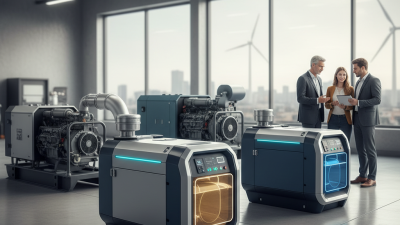
A diesel generator is a dependable machine that converts fuel energy into electrical power. It combines a diesel engine with an alternator, control system, cooling equipment, and a strong frame. When the main power supply fails, the engine burns diesel fuel and produces mechanical rotation. The alternator then changes that rotation into electricity for buildings, tools, pumps, or communication equipment.
Diesel Generators are common on construction sites, in hospitals, factories, farms, and remote facilities. Their strength is practical: they can operate for long periods, provide steady output, and tolerate demanding workloads when properly maintained. You may hear the engine start with a sharp mechanical rhythm, followed by the low vibration of the alternator producing power. It is not silent.
Understanding the working process helps users choose the correct generator size and operate it safely. A professional assessment should consider starting loads, running loads, fuel quality, ventilation, noise, grounding, and service access. Oversizing wastes fuel. Undersizing can overload the system and damage equipment. This detail is often underestimated.
Modern units may include automatic transfer switches, digital monitoring, emissions controls, and shutdown protection. Yet technology does not remove human responsibility. Filters still become dirty. Batteries still weaken. Maintenance records can be incomplete, and real site conditions may differ from specifications. This article explains how a diesel generator works, what each major component does, and which practical factors influence reliable performance. It also examines common limitations, because no power system is perfect. Proper installation and inspection should always follow the manufacturer’s instructions and applicable electrical standards.
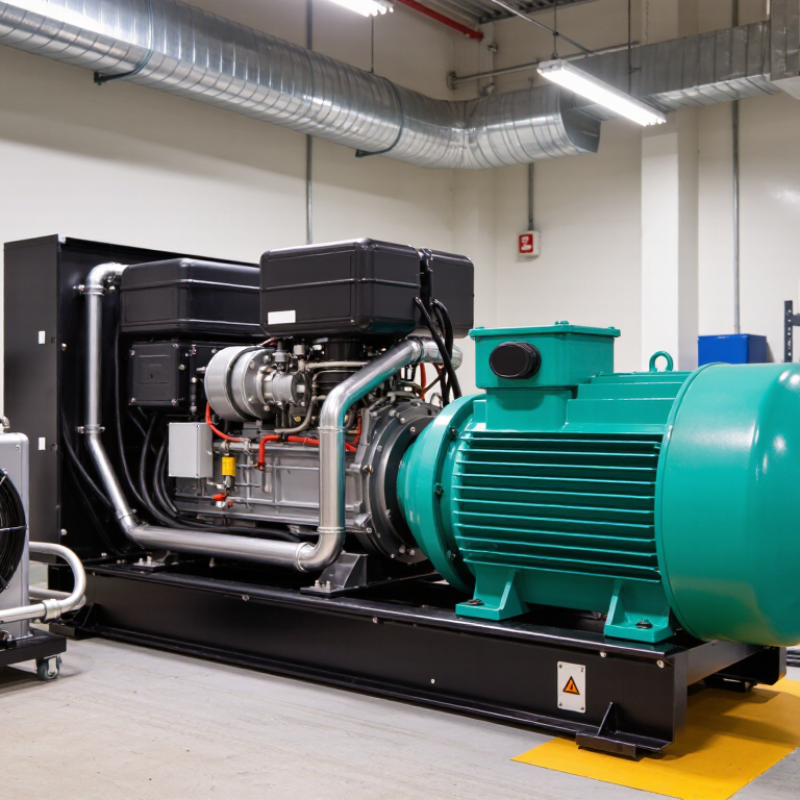
Diesel Generator Definition and Core Components
A diesel generator is a machine that converts fuel energy into electrical power. Its diesel engine produces mechanical rotation. The alternator then converts that rotation into electricity. This process begins when a control panel detects a power failure. The starter battery turns the engine’s crankshaft. Fuel injection follows. Combustion pushes the pistons and drives the alternator.
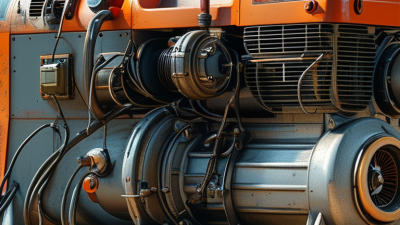
The core components work as one system. The engine supplies torque, while the alternator produces voltage. The fuel tank and filters support steady combustion. A governor regulates engine speed and frequency. The cooling system removes heat through a radiator, fan, and coolant circuit. Lubricating oil protects moving parts. The exhaust system directs hot gases away from the enclosure. A controller monitors voltage, frequency, temperature, and low oil pressure. It can shut the unit down before serious damage occurs.
Demand for dependable backup power is increasing. The International Energy Agency’s Electricity 2024 report projects data-center electricity use will exceed 1,000 TWh by 2026. Backup generators help protect critical loads during grid interruptions. Uptime Institute’s Annual Data Center Survey 2024 also identifies power problems as a recurring cause of serious outages. That context matters. A generator is not simply an engine with wires. It is a coordinated electrical and mechanical system. The explanation is useful, but incomplete. Poor fuel storage, weak batteries, or restricted airflow can still cause failure. In practice, inspection records often reveal these overlooked details. Classification under ISO 8528 also requires attention to performance, load response, and operating conditions.
What Is a Diesel Generator and How Does It Work?
A diesel generator combines a diesel engine with an alternator to convert the chemical energy in diesel fuel into electrical power. Diesel fuel contains approximately 35.8 MJ of energy per litre. At typical diesel-generator electrical efficiencies of 30%–45%, one litre of fuel can produce about 3.0–4.5 kWh of electricity. Actual results vary with generator size, load, maintenance, and operating conditions.
How Fuel Combustion Produces Mechanical Energy
What Is a Diesel Generator and How Does It Work?
A diesel generator converts fuel energy into usable electrical power. Its engine burns diesel inside a cylinder, creating high-pressure gases that push a piston downward. This movement turns the crankshaft, producing mechanical energy. A connected alternator then changes that rotation into electricity for equipment, buildings, or temporary work sites.
The process begins with air, not a spark. The piston compresses air until it becomes extremely hot. Injected diesel ignites from this heat and expands rapidly. The piston moves again, repeating the cycle through intake, compression, power, and exhaust strokes. In practice, combustion is not perfectly smooth. Dirty injectors, poor fuel, or restricted airflow can cause smoke, vibration, and reduced output. During maintenance, technicians inspect filters, oil levels, coolant, and exhaust color because small changes can reveal developing faults.
Tips: Keep the generator level and well ventilated. Check fuel storage for water or sediment. Let the engine warm before applying heavy loads. Avoid sudden load changes when possible. Record unusual sounds. That habit helps. Always follow the manufacturer’s service instructions and use a qualified technician for electrical testing.
Control, Cooling, Lubrication, and Exhaust Systems
A diesel generator converts fuel energy into electrical power during outages or unstable grid conditions. Its engine drives an alternator, while the control system regulates voltage, frequency, and engine speed. ISO 8528-5:2018 defines performance requirements for generator sets, including transient response after sudden load changes. Operators should verify these settings under real load. Small errors matter.
The cooling system removes heat through coolant, a radiator, a water pump, and an electric or belt-driven fan. Most liquid-cooled engines operate near 80–95°C, although the correct range depends on design. Blocked radiator fins can raise temperature quickly in dusty rooms.
Lubrication is equally important. Pressurized oil protects bearings, cylinder walls, and gears. Low oil pressure may trigger an automatic shutdown, but a clean panel reading can still hide worn components. That assumption is too neat.
The exhaust system carries hot gases through piping, flexible connectors, silencers, and emissions-control equipment. Excessive back pressure reduces engine performance and may increase heat around the exhaust manifold.
The U.S. Energy Information Administration estimates that burning one gallon of diesel releases about 22.38 pounds of carbon dioxide (Carbon Dioxide Emissions Coefficients, 2023). NFPA 110 supports regular operational testing for emergency power systems, yet testing only without meaningful load can create false confidence. A generator may start perfectly and still fail when the building demands power.
Common Applications, Benefits, and Operating Considerations
A diesel generator converts fuel energy into electrical power. Its diesel engine turns a crankshaft, while an alternator produces electricity. An automatic transfer switch starts the unit when the utility supply fails. Power may arrive within seconds. That delay still matters in hospitals, data centers, farms, and construction sites.
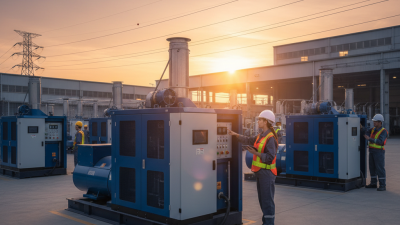
Applications vary by risk. Hospitals use generators for life-safety systems and medical equipment. Data centers protect servers, cooling pumps, and network connections. Remote sites may depend on generators for daily power. Uptime Institute’s 2024 Global Data Center Survey reported that about 53% of respondents experienced an outage during the previous three years. Backup power is not optional in such environments. It is operational insurance. Diesel units also provide high torque, long runtime, and practical fuel storage. However, they are not silent or emission-free.
Operating discipline determines reliability. ISO 8528 recommends defined performance testing, while NFPA 110 emphasizes emergency power-system readiness. Monthly inspections should check coolant level, oil condition, battery voltage, exhaust leaks, and fuel contamination. A load-bank test is more revealing than an unloaded start. It exposes weak batteries and unstable voltage. Poorly loaded engines may suffer wet stacking, where unburned fuel accumulates in the exhaust system. Ventilation must remove heat and exhaust safely. Fuel can degrade during storage. That detail is often missed. Scheduled maintenance reduces failures, but it cannot replace real load testing. Even a well-serviced generator may fail after neglected transfer-switch checks or an empty day tank.