How to Choose the Best Silent Generator for Your Needs?
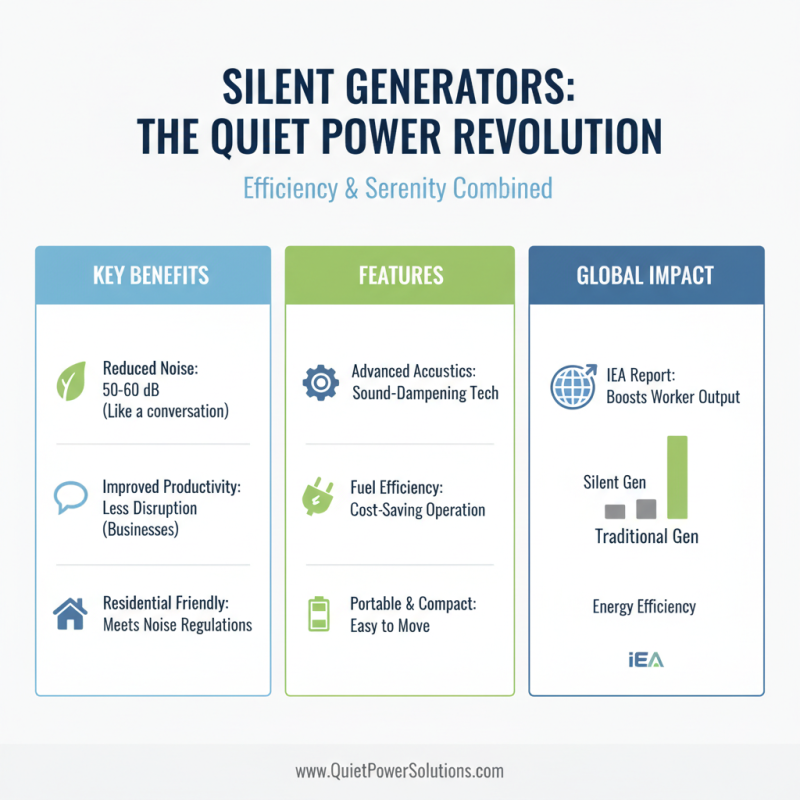
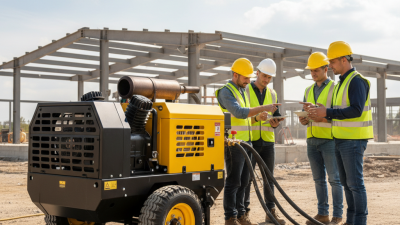
Choosing the best Silent Generator for your needs can be quite challenging. Market research indicates that the global generator market is expected to grow significantly, with an estimated CAGR of 6.5% by 2027. Silent Generators have gained popularity, especially in residential areas and construction sites, due to their low noise levels. A typical model operates at around 50-60 decibels, making it less disruptive.
When selecting a Silent Generator, consider your specific requirements. Power output is crucial. A small household may only need 2-4 kW, while larger operations might demand 10 kW or more. Furthermore, fuel efficiency is another consideration, as it directly affects long-term costs. Many users overlook this aspect and face higher bills.
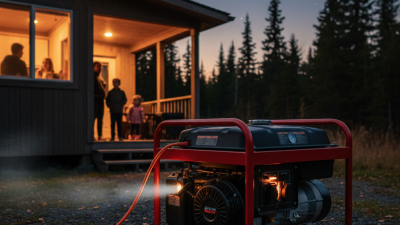
It’s also essential to assess portability. Some Silent Generators are lightweight and ideal for camping or events. Others are stationary and suited for backup power in homes or businesses. Be mindful of weight and size. Sometimes, bigger isn’t better. Reflect on your actual needs before making a purchase.
Understanding Silent Generators and Their Benefits
Silent generators have gained popularity for their quiet operation and efficiency. Unlike traditional models, they run with significantly reduced noise levels, usually around 50 to 60 decibels. This is similar to a normal conversation. Many people appreciate this, especially in residential areas where noise restrictions apply. A report by the International Energy Agency indicates that businesses using silent generators can improve their worker productivity due to a less disruptive environment.
These generators are not just about being quiet; they also offer benefits like portability and fuel efficiency. Studies show that silent generators can consume up to 30% less fuel than conventional generators during operation. This reduced fuel consumption translates to savings and a smaller environmental footprint. As more people seek sustainable solutions, silent generators can fit this emerging trend, aligning with global efforts to reduce carbon emissions.
However, potential users should consider certain factors. Price can be a barrier, as silent generators often cost more than traditional options. Not all models are created equal, and performance can vary widely. It’s crucial to analyze specific power requirements and intended usage to find the right match. Users should also reflect on the maintenance needs, which can sometimes be higher for advanced silent systems.
Factors to Consider When Choosing a Silent Generator
When selecting a silent generator, several factors come into play. Noise level is crucial. Some models promise low decibels, but actual performance may vary. Always check user reviews. This gives insight into real-world noise levels.
Power capacity is another key factor. Consider your usage needs. Do you need it for camping or backup power at home? Calculate the wattage required for your appliances. A generator with too low capacity may cause failures. One that's too powerful could waste fuel.
Tips: Think about portability. Some generators are heavier than others. If you plan to move it frequently, choose a lightweight model. Also, ensure it has user-friendly features. A clear display and easy-start function can make a difference. It can save you from frustration during emergencies.
Lastly, look for fuel efficiency. Generators with larger tanks run longer but may be bulkier. Smaller tanks are easier to transport, yet they might need frequent refueling. Balance is essential. Always think about where you will use the generator. Different environments may demand different features.
Types of Fuel and Their Impact on Generator Performance
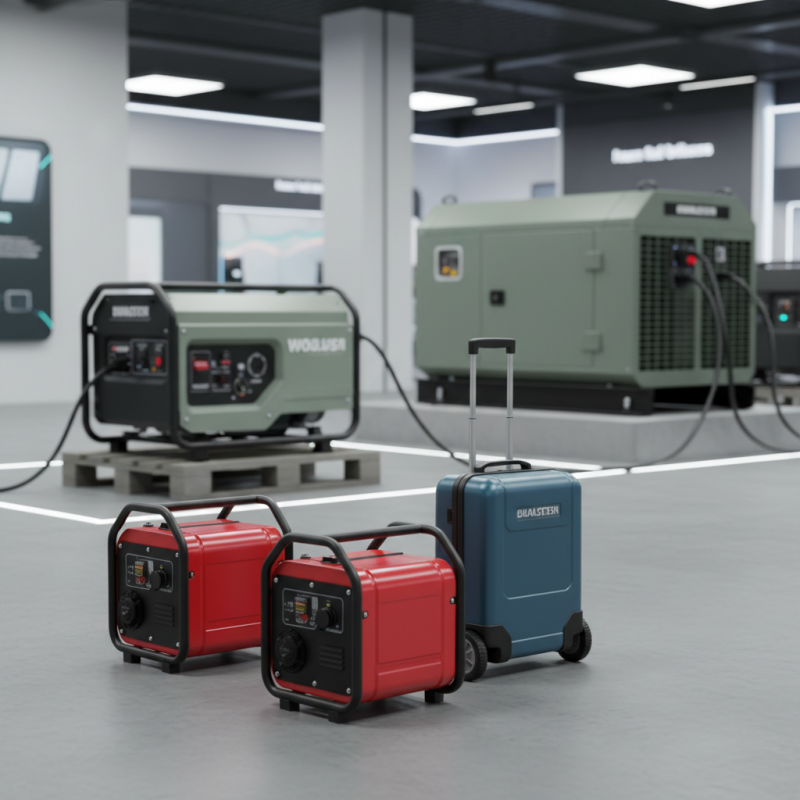
When selecting a silent generator, fuel type matters significantly. Common options include gasoline, propane, and diesel. Each fuel impacts performance differently. Gasoline is popular, but it may require more frequent refueling. Propane burns cleaner and provides quieter operation. Diesel generators are strong and fuel-efficient, but they can be noisier.
Tip: Consider the availability of fuel in your area. If you live in a remote location, gasoline may not be the best choice, while propane tanks need space.
Fuel efficiency is another factor. Gasoline generators often consume more fuel than their propane counterparts. Diesel units tend to last longer on a single tank. However, they can be heavy and less portable.
Tip: Calculate how long you’ll need power. This can help determine the right fuel type. If you need consistent power for several hours, a diesel generator might suit you better.
Reflect on noise levels. Gasoline and propane generators tend to be quieter. Enthusiasts often overlook this detail, which can lead to dissatisfaction. Always check the decibel rating before making a decision.
Noise Levels: What to Look for in a Quiet Generator
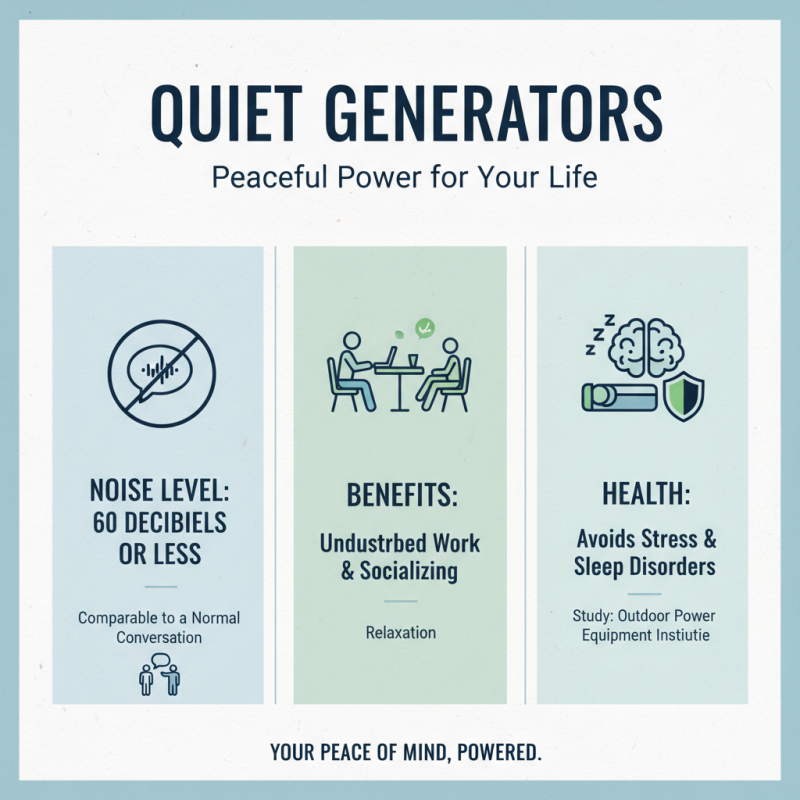
When selecting a quiet generator, noise levels are crucial. Most people prefer units that operate at 60 decibels or lower. This is comparable to a normal conversation. At this level, you can work or socialize without disturbance. According to a study by the Outdoor Power Equipment Institute, noise pollution can cause health issues. Chronic exposure to high decibel levels leads to stress and sleep disorders.
Look for generators designed specifically for quiet operation. Inverter generators often produce less noise. They typically range from 50 to 62 decibels. These units adjust their speed based on the load, resulting in less fuel consumption and noise. Many homeowners find that a generator's sound level significantly affects their comfort. You may want to check the noise output at various load levels.
It’s essential to consider the generator's location. Placing it further away from living areas can reduce perceived noise. Additionally, noise barriers or insulation can help. Some users overlook these details and later regret their choice. Ultimately, a mindful selection process can lead to protection from unwanted noise. A quiet generator enhances your comfort and peace of mind.
Budgeting for Your Silent Generator Purchase and Maintenance
When budgeting for a silent generator, it's essential to consider both the initial purchase cost and ongoing maintenance expenses. Silent generators come in various price ranges. A more affordable model might seem tempting but could lead to higher repair costs. Always evaluate the total cost, not just the sticker price.
Maintenance costs can vary significantly based on usage and the generator's quality. Regular servicing is necessary to keep your generator running smoothly. This might include oil changes, filter replacements, and general inspections. Remember, neglecting maintenance can lead to expensive repairs down the line.
It's also wise to factor in fuel costs. Depending on your generator's efficiency, this expense can add up quickly. Consider how often you’ll use the generator. If it's for occasional use, a smaller model may suffice. If you'll use it frequently, investing in a more durable option could save you money long-term. Reflect on these aspects carefully before making your decision.