Why Choose Lead Acid Batteries for Your Energy Needs?
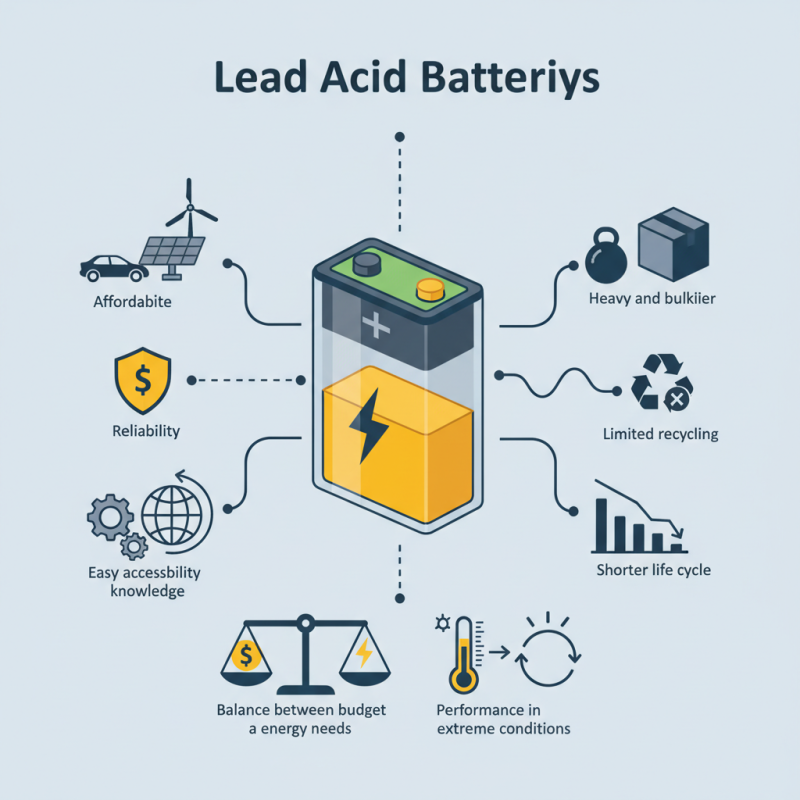
Lead Acid Batteries have been a staple in power solutions for decades. These batteries are known for their affordability and reliability. They play a crucial role in various industries, including automotive and renewable energy. Users often prefer them due to their easy accessibility and widespread knowledge.
Despite their many benefits, Lead Acid Batteries have drawbacks. They are heavy and bulkier than newer battery technologies. Recycling options can be limited, creating environmental concerns. The life cycle of these batteries is shorter than that of lithium-ion batteries. However, their cost-effective nature makes them an appealing choice for many applications.
In an ever-evolving energy landscape, Lead Acid Batteries still hold significant value. Their durability can support multiple cycles, and their performance in extreme conditions is noteworthy. Choosing Lead Acid Batteries reflects a balance between budget and energy needs, making them a practical option for various users.
Types of Lead Acid Batteries and Their Applications
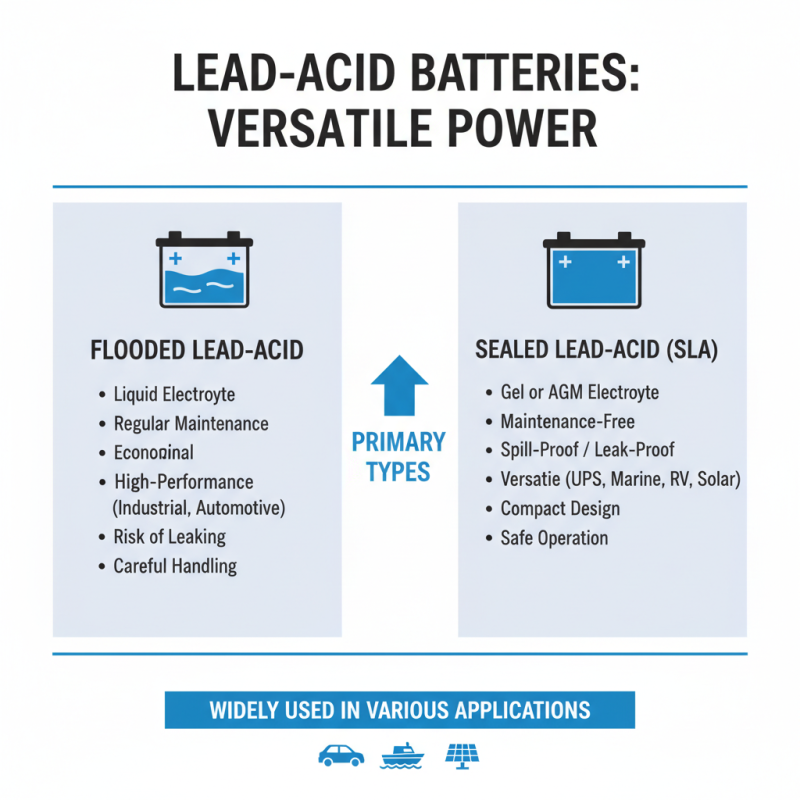
Lead acid batteries are versatile and widely used in various applications. There are two primary types: flooded and sealed. Flooded batteries contain liquid electrolyte and require regular maintenance. They are economical and popular in industries that need high-performance power. However, they can leak and require careful handling.
Sealed lead acid batteries, also known as AGM or GEL, are maintenance-free. They are often used in consumer electronics and backup power systems. These batteries are generally safer but can be more expensive. Users must be aware of their limitations, like temperature sensitivity. In colder climates, performance may decline.
Despite their advantages, lead acid batteries are not without concerns. Their lifespan can be limited, often needing replacement every few years. Disposal poses environmental challenges as well. Users should reflect on their energy needs carefully before making a decision. The benefits of lead acid batteries are considerable, but one must also consider potential downsides.
Advantages of Lead Acid Batteries Over Other Battery Types
Lead acid batteries have distinct advantages that set them apart from other battery types. Their cost-effectiveness is a significant reason for their popularity. These batteries are generally cheaper to produce and purchase, making them accessible for many. This affordability can be crucial for budget-conscious consumers. They also have a well-established recycling infrastructure, enabling easier disposal and environmental responsibility.
Another advantage is their ability to deliver high surge currents. This feature is particularly beneficial for applications requiring a quick burst of energy. For instance, starting engines often demands high power in a short timeframe. Lead acid batteries can meet those needs efficiently. However, they do have limitations; they are heavier and bulkier than some alternatives, which can be a drawback for portable applications.
Additionally, these batteries are quite reliable. They work well in various environments, withstanding both high and low temperatures. This reliability can be a double-edged sword, as their performance may drop in extreme conditions. Regular maintenance is essential, as neglect can lead to issues like sulfation. While lead acid batteries have some downsides, their unique benefits often outweigh them in many energy applications.
Advantages of Lead Acid Batteries Over Other Battery Types
Factors Influencing the Choice of Lead Acid Batteries
When considering lead acid batteries, several factors come into play. Their cost-effectiveness is a major draw. They are often cheaper than other battery types. This lower initial investment can be appealing to many users. However, potential buyers should think about lifespan and maintenance needs.
Another factor is performance reliability. Lead acid batteries can handle heavy loads. They perform well in demanding conditions, like extreme temperatures. This can be crucial for many applications. Yet, efficiency may decline over time, leading to reduced performance. Users must weigh this issue carefully.
Recycling is also an essential consideration. Lead acid batteries are highly recyclable, with a significant recovery rate. This makes them a more environmentally friendly choice than some other options. However, potential environmental concerns about toxicity and disposal cannot be ignored. Balancing these factors is necessary for making an informed decision.
Common Misconceptions About Lead Acid Batteries
Lead acid batteries often face misconceptions in the energy world. Many believe they are outdated and inefficient. However, advancements have made them viable for various applications, from automotive to renewable energy storage. Their design may be simple, but their performance shouldn’t be underestimated.
Tip: Regular maintenance can increase lifespan. Check for corrosion and ensure proper fluid levels. Neglecting these tasks may lead to premature failure.
Some users think lead acid batteries are low-performance. In truth, they provide steady and reliable power for many situations. They can handle deep discharges better than other types. Durability is often highlighted, yet users must remember they can be heavy and bulky. This is a factor to consider when space is limited.
Tip: Consider how you will use the battery. Match its capacity to your needs. Undersized batteries can result in disappointment. Over time, the advantages become clearer, but every choice comes with trade-offs.
Environmental Impact and Recycling of Lead Acid Batteries
Lead acid batteries have long been a popular choice due to their reliability and cost-effectiveness. However, their environmental impact cannot be overlooked. In 2021, a report indicated that approximately 86% of lead-acid batteries were recycled globally. This recycling rate is significant, as it minimizes the adverse effects of lead and sulfuric acid on the environment. Unfortunately, not all batteries reach recycling facilities, leading to potential soil and water contamination.
Recycling lead-acid batteries recovers 99% of the lead, which can be reused. The process also helps reduce the need for raw materials, lessening the carbon footprint. Yet, the recycling process must be managed carefully. Poor practices can release toxic substances into the environment, posing health risks. Communities near recycling facilities have reported increased pollution levels.
Tips: Always dispose of lead-acid batteries at designated recycling centers. Educate others about the importance of proper disposal. Awareness can lead to better recycling rates and a healthier planet. Improving public knowledge is essential. While the recycling process is mostly effective, it still faces challenges that need attention. Continuous improvements in battery recycling technology are vital for sustainability.
Why Choose Lead Acid Batteries for Your Energy Needs? - Environmental Impact and Recycling of Lead Acid Batteries
| Dimension |
Data |
| Average Lifespan (years) |
3 to 5 |
| Recyclability Percentage |
99% |
| Lead Content (kg) |
5 to 15 |
| CO2 Emissions (g per kWh) |
500 |
| Weight (kg) |
10 to 60 |
| Cycle Life (number of cycles) |
300 to 800 |
| Cost (per kWh) |
$0.15 |