How to Choose China Top Light Plant Generator Suppliers?
Choosing a reliable China Light Plant Generator supplier requires more than comparing prices and product photos. The right decision begins with your working conditions. Consider mine sites, construction roads, emergency projects, and remote outdoor locations. Each environment demands different lighting coverage, fuel capacity, engine protection, and mobility.
Power-generation consultant Mike Carr often states, “Reliability begins with correct application, not attractive specifications.” This principle matters when evaluating Chinese manufacturers. Ask whether the supplier has tested the Light Plant Generator under realistic loads. Request records for engine performance, mast stability, alternator output, noise levels, and fuel consumption. A factory visit can reveal practical details, such as welding quality, cable protection, battery storage, and final assembly discipline.
Do not trust brochures alone.
Experienced buyers should also examine certifications, export history, warranty terms, and technical support. A serious supplier can explain component brands, replacement intervals, and service response times without hesitation. Check whether spare parts are available in your region. A low purchase price becomes expensive when one control panel failure stops an entire project.
Some suppliers may offer impressive customization. Yet, customization without engineering control can create hidden risks. This point deserves reflection. Even a professional purchasing team can overlook climate, altitude, transport damage, or operator training. Therefore, compare suppliers through documented tests, customer references, sample inspections, and clear contracts. The strongest partner is not always the cheapest. It is the manufacturer that delivers dependable Light Plant Generator performance after shipment, installation, and daily use.
Understanding Light Plant Generators and Their Main Applications
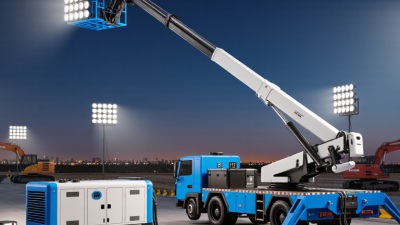
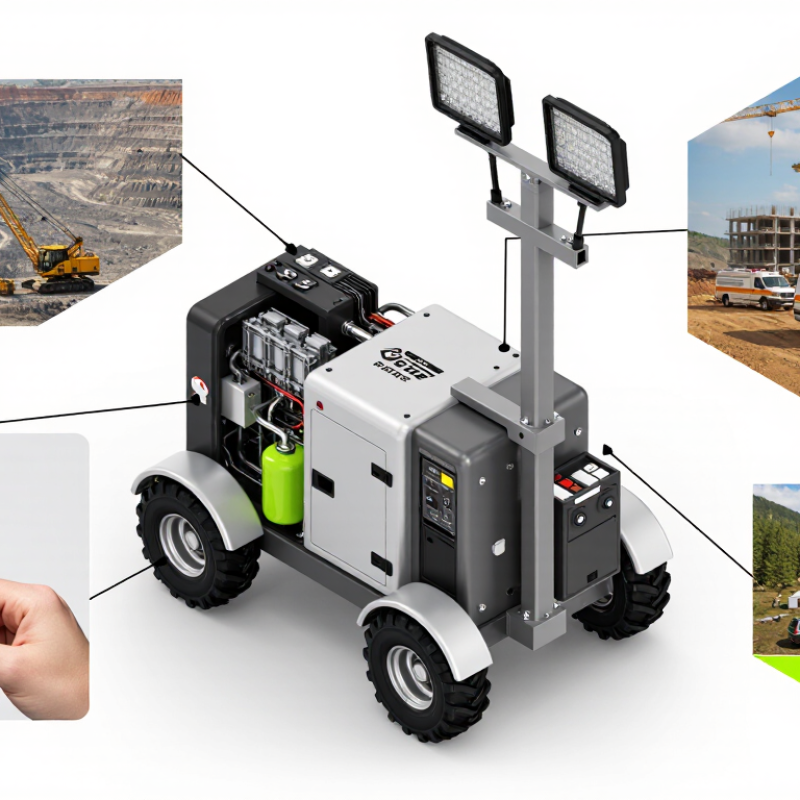
A light plant generator is a mobile lighting tower with a built-in power source. It usually combines a diesel engine, alternator, mast, and high-efficiency lamps. Some models use batteries or hybrid systems. The engine produces electricity, while the mast spreads light across a work area. This design allows teams to work after sunset without relying on permanent electrical connections.
Construction sites use light plants beside excavators, concrete pumps, and temporary roads. Road crews place them near lane changes, bridge repairs, and nighttime inspections. Emergency teams may need them after storms, floods, or power interruptions. Farms, outdoor events, warehouses, and remote maintenance projects also benefit from portable illumination. In practice, uneven ground and strong wind can affect stability, so outriggers, mast locking, and ballast deserve close attention.
When choosing China top light plant generator suppliers, buyers should check actual illumination tests, fuel consumption, noise data, and protection ratings. Ask for load-test records, wiring diagrams, spare-parts availability, and clear warranty terms. A supplier with experienced engineers should explain lamp coverage, runtime, lifting limits, and cold-start performance. Factory inspection matters because photographs can hide weak cable joints or poor paint preparation. One point is easy to underestimate. Lower fuel use may mean less lighting power. The cheapest quotation is not always the most practical choice, and specifications sometimes need a second review before ordering.
Defining Supplier Requirements for Power, Portability, and Operating Conditions
Choosing a China-based light plant generator supplier starts with a clear power brief, not a catalogue search. List continuous load, starting load, voltage, frequency, and required runtime. The IEA’s Electricity 2024 report expects global electricity demand to grow strongly through 2026, increasing pressure on reliable backup systems. For pumps, compressors, and small welders, starting current can briefly exceed running demand by several times. Request test records under both conditions. A 5 kW label may not deliver 5 kW continuously.
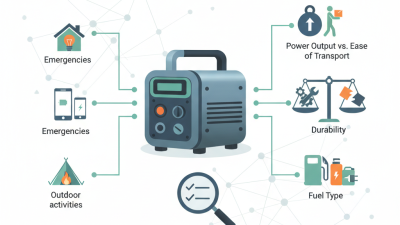
Portability depends on more than dry weight. Specify lifting points, wheel design, fuel-tank size, noise limits, and the distance between work areas. ISO 8528-1 provides a useful framework for generator performance and rating definitions. Operating conditions also need precision: altitude, ambient temperature, dust, humidity, and cold starts. The World Bank Logistics Performance Index 2023 shows that delivery reliability remains uneven across markets, so confirm spare-part availability and packaging protection before ordering. Ask for factory inspection evidence, load-bank results, service intervals, and clear warranty terms. Keep records.
A lower quotation can look efficient. It may become expensive after one dusty season. I have seen specifications miss altitude correction, which is an easy mistake. Recheck every number.
How to Choose China Top Light Plant Generator Suppliers?
Defining supplier requirements for power, portability, and operating conditions starts with comparing practical generator specifications. The chart below presents realistic benchmark ranges commonly used when screening light-duty portable generator suppliers.
For general construction, backup, and outdoor applications, a suitable light portable generator commonly provides 2–8 kW of rated power, weighs approximately 35–110 kg, operates for 6–12 hours at partial load, and produces about 60–75 dB(A) at 7 meters. Actual requirements should be verified against the intended load, climate, altitude, and duty cycle.
Assessing China-Based Manufacturers, Product Quality, and Compliance
Choosing a China-based light plant generator supplier requires more than comparing prices.
Factory evidence matters. Request production photos, serial-number records, test logs, and a live video inspection. Check whether the workshop controls engine matching, alternator assembly, wiring, and final load testing internally.
The IEA’s Electricity 2024 report expects global electricity demand to grow by about 3.4% annually from 2024 to 2026. This increases pressure on dependable temporary power equipment.
Ask suppliers to provide test results at 25%, 50%, 75%, and 100% load. Review voltage stability, fuel consumption, noise levels, and emergency shutdown performance. ISO 8528 testing offers a useful reference for generator performance. However, a certificate alone proves little without traceable reports.
Compliance must match the destination market.
Examine conformity documents, risk assessments, wiring diagrams, and component declarations. For European projects, verify applicable machinery, electromagnetic compatibility, and low-voltage requirements. For other markets, request the relevant national approvals. Insist on serialised inspection records and calibrated instrument certificates. Small details matter, such as cable glands sealing properly after rain exposure.
Ask for references from similar climates and duty cycles.
A supplier may show polished equipment, yet provide weak after-sales support. That is a warning. I would also test one sample before placing a larger order. My earlier mistake was trusting factory claims without checking cold-start behavior. Paperwork can still mislead. Real performance appears during repeated starts, uneven loads, and long overnight operation.
Comparing Pricing, Customization, Delivery, and After-Sales Support
Choosing China top light plant generator suppliers requires more than comparing catalog prices. In supplier audits, I examine the complete landed cost, including the generator, controls, packaging, freight, spare parts, and testing. A low quote can hide cheaper alternators or limited factory testing. Ask for a line-item quotation and payment milestones. Request recent test records, not only a polished brochure. Numbers matter.
Customization should be measured in drawings and tolerances. Confirm rated output, fuel tank size, enclosure material, noise target, voltage, frequency, and control-panel language. A capable engineering team can provide drawings before production and explain changes clearly. However, customization often extends lead time and raises the minimum order quantity. I have seen buyers approve a verbal promise, then discover a different cable entry position. That mistake is expensive. Keep every revision in a signed specification.
Delivery reliability depends on capacity, component availability, and inspection timing. Ask for a production schedule with factory acceptance testing and shipping documents. Build buffer days for port congestion or design changes. After-sales support deserves equal attention. Check response hours, remote troubleshooting, warranty exclusions, technician availability, and spare-parts stock. Request a sample service report. It reveals more than sales language. Some suppliers answer quickly before payment, but slowly after delivery. That possibility needs honest consideration.
Verifying Supplier Credentials Through Samples, Testing, and Factory Audits
How to Choose China Top Light Plant Generator Suppliers?
Verifying Supplier Credentials Through Samples, Testing, and Factory Audits
A polished website proves little. Ask suppliers for a working light plant generator sample, not only brochures or photographs. Check the engine start, mast movement, lamp coverage, control panel, and emergency stop. Record serial numbers and compare them with inspection documents. Small inconsistencies can reveal weak traceability.
Run the sample under realistic conditions. Use the rated load, uneven ground, and several hours of continuous operation. Measure fuel consumption, noise, voltage stability, and lighting performance. Test both cold starts and repeated restarts. Request calibration records for testing instruments. A supplier with technical confidence should explain failed results, not hide them. My own mistake was accepting a short demonstration; it did not reflect overnight operation.
An on-site factory audit adds valuable evidence. Review incoming-material checks, assembly lines, wiring inspections, and final testing areas. Ask how the supplier separates approved and rejected parts. Verify maintenance records, worker training, production capacity, and quality-control responsibilities. Speak with engineers, not only sales staff. Sample audits of past orders can confirm whether procedures are consistently followed. Still, an audit is only a snapshot. Keep written specifications, approval criteria, and corrective-action deadlines in the purchasing agreement. Reliable suppliers welcome this scrutiny, although even good factories may have occasional gaps requiring follow-up.