2026 Top Lead Acid Batteries Trends and Innovations to Watch?
In the ever-evolving landscape of energy solutions, Lead Acid Batteries continue to hold significance. As we approach 2026, emerging trends shape their future. Industry expert Dr. Emma Chen once said, "Innovation in Lead Acid Batteries is not just about capacity; it's about efficiency and sustainability." This insight reflects the growing demand for more environmentally friendly and efficient battery technology.
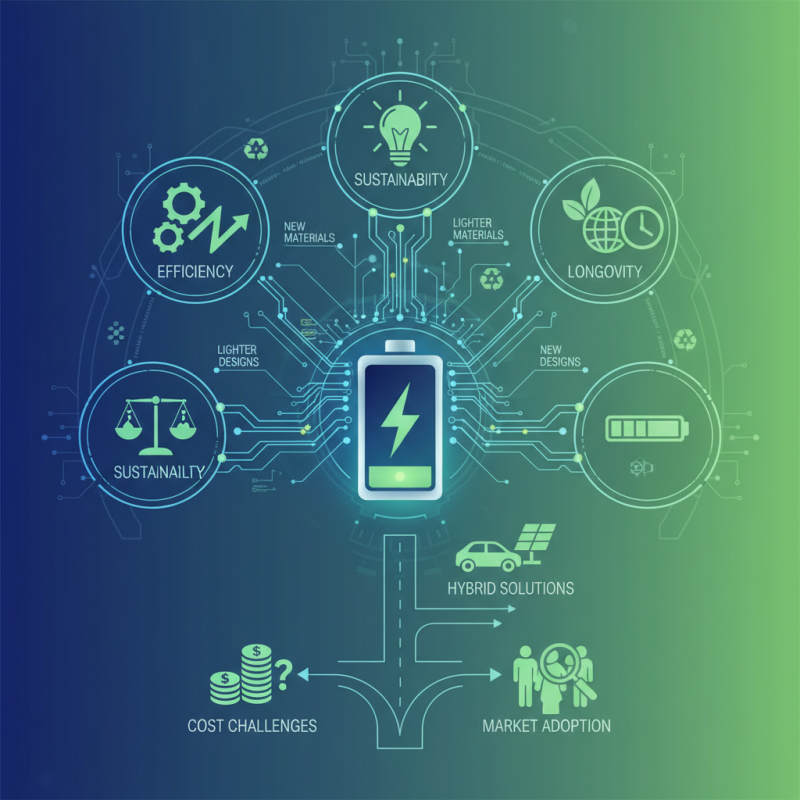
Recent developments focus on improving longevity and reducing weight. Manufacturers are investing in new materials and designs. These innovations could transform Lead Acid Batteries, making them more competitive against lithium-ion alternatives. However, challenges persist. Some technologies remain costly to implement, and market acceptance varies widely. It raises questions about the pace of adoption.
With increasing pressures for sustainability, Lead Acid Batteries could lead the way in hybrid solutions. The path forward is uncertain, but the potential for positive change is clear. The next few years will be crucial in determining how these batteries adapt and thrive in a green economy. As we explore these trends, we must remain critically aware of both the advancements and the hurdles that lie ahead.
2026 Lead Acid Battery Market Overview and Growth Prospects
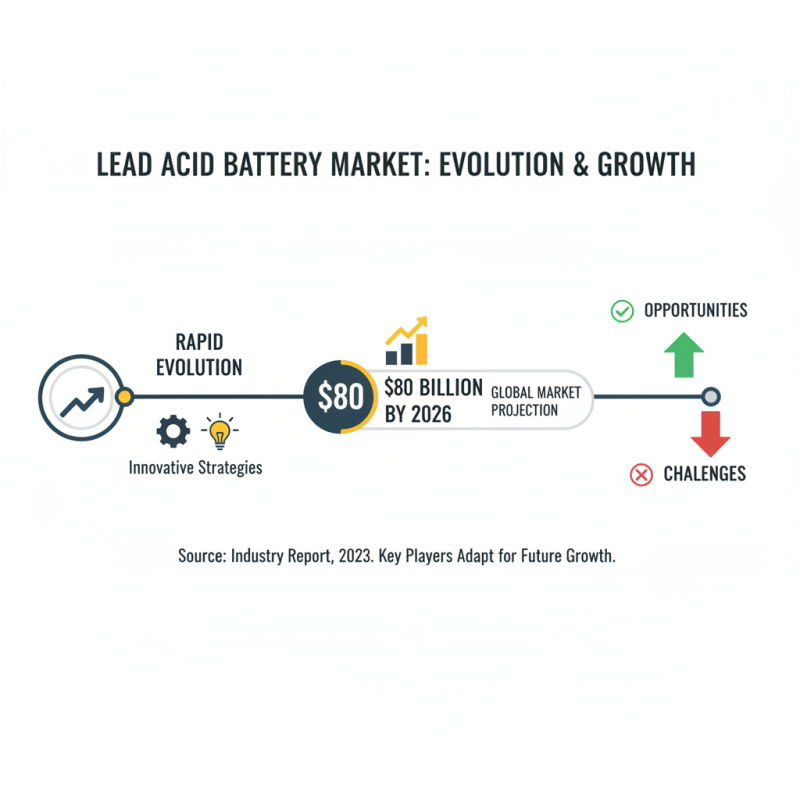
The lead-acid battery market is evolving rapidly. By 2026, it's projected to grow significantly, reaching an estimated value of over $40 billion. Technological advancements and increasing demand in various sectors drive this growth. The automotive industry is a major contributor, with lead-acid batteries powering traditional vehicles and supporting hybrid models.
Emerging trends highlight improvements in efficiency and lifespan. New manufacturing techniques promise enhanced performance. These innovations include advanced grid designs and improved electrolyte formulations. However, the market faces challenges. The environmental impact of lead-acid battery disposal is a growing concern. Recycling processes need greater attention and investment. Addressing these issues is crucial for sustainable growth in the industry.
Market research indicates a steady rise in demand from renewable energy applications. Storage systems for solar energy are increasingly relying on lead-acid batteries. Their reliability in fluctuating conditions makes them a preferred choice. Yet, competition from lithium-ion technologies creates pressure. The balance between cost, performance, and environmental responsibility will shape the future of lead-acid batteries.
Key Technological Innovations in Lead Acid Battery Design and Manufacturing
The lead acid battery sector is evolving rapidly, driven by technological innovations. A recent market report highlighted that the global lead acid battery market is expected to reach $75 billion by 2026. This growth is largely fueled by advancements in battery design and manufacturing processes. Innovations such as the development of enhanced lead dioxide electrodes are improving energy density and overall efficiency.
Manufacturers are increasingly focusing on lighter materials and new production techniques. For example, integrating advanced materials can reduce weight without sacrificing performance. This shift is critical, as modern applications—like electric vehicles and renewable energy systems—demand higher efficiency. One study found that these innovations could boost the lifespan of lead acid batteries by 30%. However, the industry still faces challenges. Recycling remains a significant issue, as the eco-friendly disposal of lead acid batteries is not fully addressed.
Another innovation worth noting is the introduction of smart battery technologies. These systems monitor battery health in real-time, helping to optimize performance. However, implementing such technologies can be complex and expensive for manufacturers. A balance between innovation and cost-effectiveness is crucial for widespread adoption. The future of lead acid batteries holds promise, but there is still much to explore and improve.
Sustainability Trends Influencing the Lead Acid Battery Industry
The lead acid battery industry is experiencing a shift influenced by sustainability trends. In 2023, nearly 80% of lead acid batteries were recycled, highlighting a focus on circular economy principles. This trend is driven by both regulatory pressures and consumer demand for eco-friendly products. Many manufacturers are adjusting production processes to lower carbon footprints.
Technological innovations are crucial for improving sustainability. For instance, advanced lead recycling technologies are emerging. These new methods enhance lead recovery rates and reduce environmental impacts. Reports indicate that energy-efficient recycling can decrease greenhouse gas emissions by up to 30%. Despite progress, challenges remain. Some facilities are still using outdated processes that harm the environment.
Public perception is changing as well. Consumers are increasingly favoring products that demonstrate a commitment to sustainability. However, there is a gap in awareness about lead acid battery recycling. Educating consumers could further boost recycling rates. Improved communication and transparency are needed in the industry. The push for sustainability in lead acid batteries is ongoing, but more efforts are needed to achieve a truly sustainable cycle.
Emerging Applications and Use Cases for Lead Acid Batteries in 2026
The landscape of lead-acid batteries is evolving quickly. By 2026, we expect to see new applications in various sectors. For instance, they will be increasingly used in renewable energy systems to store excess power. Homeowners will enjoy more energy independence with reliable backup storage solutions.
In transportation, lead-acid batteries will find new roles in electric vehicles. They will provide a cost-effective option for short-range travel. However, their weight and efficiency compared to newer technologies raise questions. Can they compete effectively in a fast-paced market?
Agricultural technology will also benefit from lead-acid innovations. Farmers may use these batteries for powering irrigation systems. Yet, the challenge will be ensuring sustainability and reducing environmental impact. This industry must reflect on the lifecycle and recycling processes of these batteries.