2026 Top Lead Acid Batteries Trends Buyers Need to Know?
Lead Acid Batteries remain a crucial component in various industries. As we approach 2026, understanding the emerging trends in this sector is vital for buyers. With increasing demand for energy storage solutions, the landscape of Lead Acid Batteries is evolving rapidly.
In this article, we will explore key trends shaping the future of Lead Acid Batteries. Innovations in technology lead to enhanced efficiency and longevity. Environmental concerns are also prompting shifts towards more sustainable practices. However, challenges remain, such as competition from newer energy storage technologies.
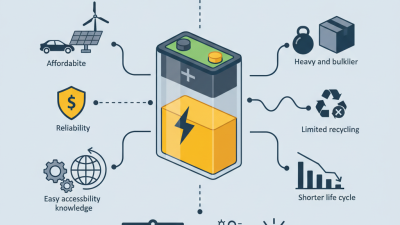
Buyers must stay informed about these changes. Understanding the market dynamics will aid in making better purchasing decisions. Awareness of both the advantages and limitations of Lead Acid Batteries is essential for effective use. Embracing these insights can lead to more sustainable and efficient practices in various applications.
Emerging Technologies in Lead Acid Batteries for 2026
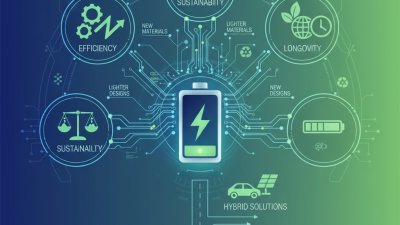
In 2026, emerging technologies in lead acid batteries are set to transform the energy storage landscape. One significant trend involves enhancing the performance of lead acid batteries through advanced materials. Researchers are exploring new conductive additives that can improve charge efficiency. This change can lead to longer lifespans and reduced maintenance.
Another promising avenue is the development of hybrid systems. These systems combine lead acid batteries with lithium-ion technology. This approach can enhance energy density while maintaining cost-effectiveness. The result is a versatile power source ideal for various applications, from renewable energy integration to electric vehicles. However, challenges remain in optimizing these systems for maximum efficiency.
Additionally, innovative recycling methods are gaining attention. These methods not only reduce waste but also reclaim valuable materials. This shift encourages sustainability in battery production. However, the process still requires significant refinement to become mainstream. The future of lead acid batteries looks promising but demands careful consideration as new technologies emerge.
2026 Lead Acid Batteries Market Trends
Market Demand Trends Influencing Lead Acid Battery Purchases
The demand for lead-acid batteries is seeing notable shifts as we approach 2026. Key market trends reveal a growing interest in renewable energy and electric vehicles (EVs). According to a recent industry report, the global lead-acid battery market is projected to reach USD 38 billion by 2027, driven by these changes.
In particular, the rise in renewable energy storage solutions is influencing purchase decisions. Many buyers prioritize batteries that support solar power systems. This aligns with the increasing adoption of solar technology. A survey indicates over 60% of consumers prefer batteries that enhance energy independence.
**Tips:** When evaluating batteries, assess their lifecycle performance. Look for options that provide a good balance of cost and longevity. Consider local climate impacts on battery efficiency.
Electric vehicle manufacturers are also impacting lead-acid battery demand. Many companies are phasing out traditional models for more reliable, efficient variations. However, some challenges remain in terms of capacity and weight. This can limit applications in larger vehicle types.
**Tips:** Prioritize batteries with proven track records in similar applications. Always review technical specifications and user reviews for realistic expectations.
2026 Top Lead Acid Batteries Trends Buyers Need to Know
| Trend |
Impact on Market |
Projected Growth Rate |
Key Applications |
| Increased Demand for Renewable Energy Storage |
Boost in lead acid battery sales due to solar and wind power integration. |
8% CAGR |
Solar installations, wind farms |
| Advancements in Battery Technology |
Enhanced performance and longevity of lead acid batteries. |
6% CAGR |
Automotive, UPS systems |
| Increase in Electric Vehicle Production |
Lead acid batteries primarily used in HEVs and as secondary batteries. |
5% CAGR |
Hybrid electric vehicles, start-stop systems |
| Government Regulations on Batteries |
Stricter recycling and environmental standards driving innovation. |
7% CAGR |
Industrial applications, consumer electronics |
| Shift Towards a Circular Economy |
Recycling initiatives promoting lead recovery and sustainability. |
9% CAGR |
Battery recycling, remanufacturing |
Environmental Regulations Impacting Lead Acid Battery Manufacturing
Environmental regulations are transforming the lead acid battery manufacturing landscape. Stricter emission norms have emerged as a priority for manufacturers. The global push for sustainability has led to significant changes in production practices. For instance, according to a report by the International Energy Agency (IEA), the environmental impact of lead-acid batteries is becoming central to industry discussions. In 2022, over 70% of manufacturers reported adjusting operations to comply with new regulations.
One pivotal regulation is the European Union’s Battery Directive. This directive mandates recycling measures and strict waste management protocols for battery manufacturers. It aims to reduce lead pollution and promote sustainable practices. Notably, reports indicate that recycling rates for lead acid batteries are currently around 96% globally. This highlights both the industry's adaptability and the increasing emphasis on circular economy practices. However, challenges remain. Many manufacturers struggle with compliance due to varying regional regulations.
The intersection of policy and manufacturing reflects a broader trend toward accountability. Companies are investing in cleaner technologies. They are seeking certifications to enhance their market reputation. However, the cost of compliance can deter smaller players from entering the market. Balancing environmental responsibility with economic viability remains a critical reflection point for the industry.
Future Outlook: Sustainability in Lead Acid Battery Development
The shift toward sustainability is reshaping the lead acid battery industry. As of 2023, the global lead acid battery market is projected to reach $71 billion by 2025, with a compound annual growth rate (CAGR) of 4.2% (ResearchAndMarkets). This ascending trend highlights the industry's need for eco-friendly innovations and practices. Many manufacturers are now focusing on reducing waste and enhancing recycling efforts, crucial for minimizing the environmental footprint of battery production.
A significant concern is the sustainability of raw materials. Lead extraction has environmental implications, and manufacturers are exploring alternatives. Recent reports suggest that improving recycling rates could provide around 85% of the necessary lead for new batteries. Additionally, the U.S. EPA indicates that lead-acid battery recycling prevents nearly 3 million tons of lead pollution each year. Despite these efforts, challenges remain in educating consumers about proper disposal and recycling methods.
Investments in research are pivotal for sustainable developments. Emerging technologies, such as advanced lead-carbon batteries, offer improved energy efficiency and lifespan. However, these innovations require careful scrutiny to ensure they meet long-term environmental goals. The drive for sustainability within the lead-acid battery sector must balance performance, cost, and eco-friendliness to secure a healthy future.